
Younghusband Project: Rethinking the Relationship Between Industrial Heritage and Urban Sustainability

Victorian Industrial Architecture: A Historical Overview
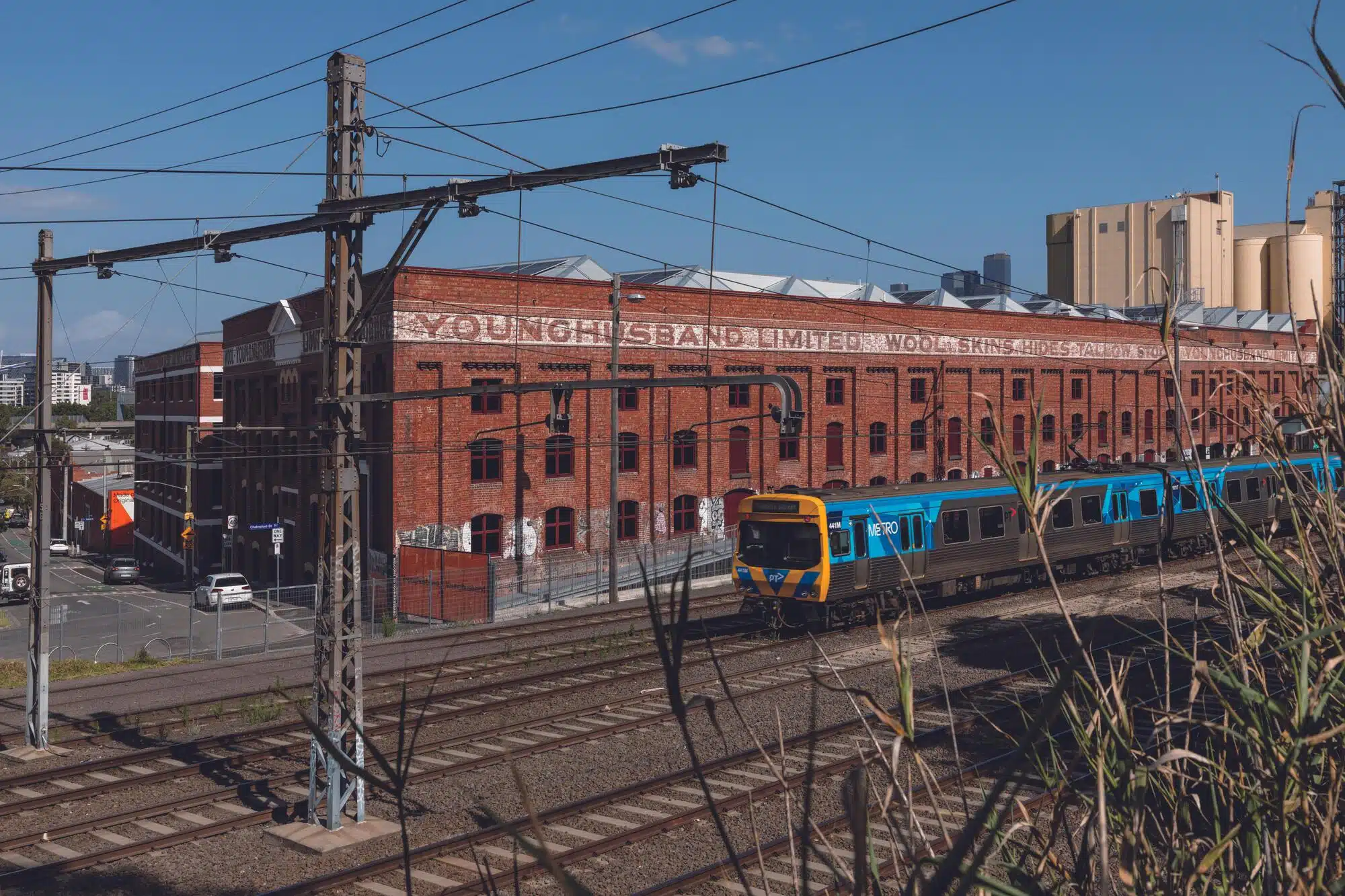
The Younghusband Building stands as a prominent example of Victorian industrial architecture that flourished in the late 19th and early 20th centuries. The building reflects the architectural trends of that era, characterized by expansive red-brick structures that offer high durability while preserving the site’s industrial character.
Distinctive Architectural Features
One of the building’s most notable features is its saw-tooth roof, a design that is not merely aesthetic but highly functional, as it enhances natural daylight penetration into the deep floor plates. In addition, the natural patina and the remnants of surrounding rustic elements contribute to the building’s unique historical character, creating a tangible link between its industrial past and the surrounding environment.
The Building’s Role in Urban Life
The deep floor layouts and generous interior spaces make the building adaptable to a variety of uses, supporting living, working, and social interaction in an integrated manner. Original architectural details, such as partially concealed signage, add a cultural layer that helps preserve and reinforce the site’s historical identity.


A Long History of Community Service
The Woolstore Building has long played a significant role within the community, with its functions evolving over time. It originally served as a fashion store for the Australian Ballet, before later being transformed into a studio space for local artistic projects, demonstrating the building’s adaptability to changing community needs over more than 120 years.
A Unique Heritage Value
Today, the building stands as one of the few remaining structures of its kind in the state of Victoria, making it a living example of industrial and historical heritage preservation. This heritage value enhances its cultural and social significance, illustrating how older structures can continue to serve communities in diverse and meaningful ways.
Community Involvement in the Restoration Process
Since 2016, regular consultations have been held between the architects and members of the community to ensure the satisfaction of residents and users throughout the building’s renovation and restoration process. This collaborative approach highlights the importance of integrating architectural expertise with community needs in heritage conservation projects.

Celebrating the Marks of Time and Patina
For the architects, the project became an exercise in restraint and a celebration of the traces accumulated by the building over time, including patina and the natural transformations of materials through the years. This approach emphasizes the relationship between architecture and the site’s historical memory, encouraging an appreciation of buildings as living documents of history rather than mere design façades.
Adaptive Reuse of Neglected Spaces
Woods Bagot transformed more than 17,000 square meters of underutilized industrial space into a mixed-use community precinct. The project underscores the importance of reclaiming neglected areas on the urban periphery and converting them into service-oriented, publicly accessible zones, while preserving the site’s historical character.
Teaching History Through Architecture
By expanding the concept of adaptive reuse to include previously abandoned structures, the architectural team aims to connect younger generations with the area’s history. The project allows visitors and residents to understand the city’s evolution over time, while reinforcing values of heritage preservation and meaningful engagement with the urban past in a direct and practical way.

Enhancing Quality of Life and Place Appeal
The architectural interventions in the project focused on improving the overall quality of life on site and enhancing its attractiveness, while taking opportunities to promote inclusivity and equity in the building’s use. This included designing spaces that are easily accessible to all, transforming the site into an open, flexible, and multi-use environment that serves diverse segments of the community.
Challenges of Adaptive Reuse
One of the key challenges in repurposing historic buildings is ensuring safety and accessibility. To address this, the site was upgraded to meet contemporary standards for fire safety, universal accessibility, and seismic resilience.
Balancing Modernity and Heritage
Despite these upgrades, preserving the building’s rich heritage and distinctive character remained essential. This balance between practical requirements and historical value reflects the architects’ commitment to maintaining the site’s architectural identity while ensuring sustainability, safety, and comfort for all users.

Designing Contemporary Additions with Heritage Sensitivity
The new additions were designed to appear distinctly contemporary while remaining fully integrated with the original building, without compromising the site’s rich heritage. This approach demonstrates how architectural innovation can be combined with the preservation of a building’s historical identity.
Improving Access and Internal Circulation
The additions include modern glass elevators and suspended external link bridges above the bluestone-paved laneway, aimed at improving accessibility while introducing movement and vitality within the building.
Preserving Heritage Details While Upgrading Functionality
The original bluestone pavers were removed from the laneway one by one, prepared, and then reinstalled to ensure ease of use for wheelchairs, mobility aids, prams, and bicycles. This careful process reflects a meticulous attention to detail, balancing the conservation of historic elements with contemporary functional requirements that meet the needs of modern users.

Focusing on Community Benefit
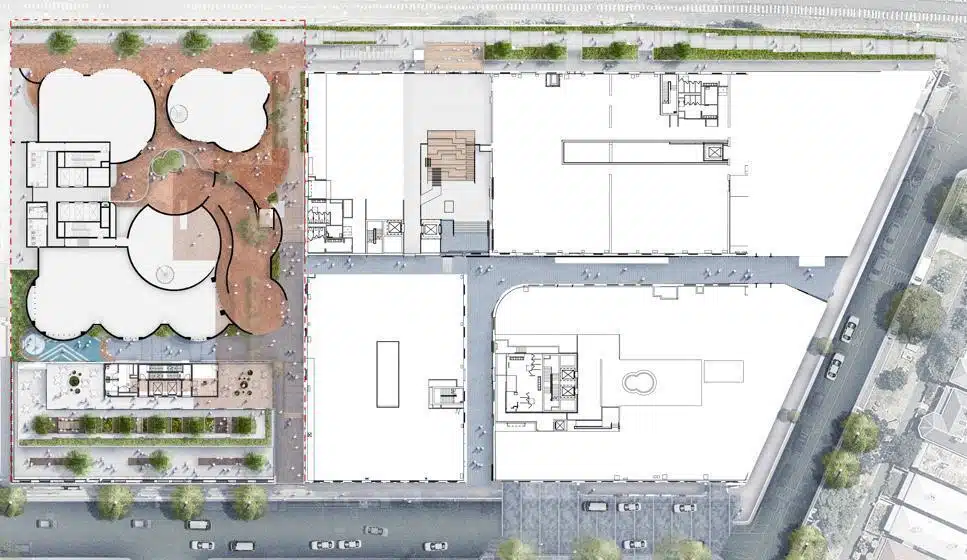
The design emphasizes maximizing community benefit by integrating public spaces, strengthening pedestrian connections, and providing facilities that encourage social interaction. This approach demonstrates how architecture can foster engagement between local residents and visitors while creating an inclusive, safe, and cohesive environment for all.
Coordinating Entry Points and Encouraging Collaboration
Multiple entry points were carefully coordinated to ensure seamless connectivity and to promote collaboration between the public and private sectors. This organization allows for smooth movement throughout the building and supports dynamic, multifunctional use of its spaces.
The City Square as a Social Hub
A central element of the design was the introduction of a “City Square,” strategically positioned at the heart of the precinct. The square offers naturally lit seating within a hall, making it an ideal space for gathering, participation, and social exchange.
Safe Connections to Surrounding Pathways
The City Square connects to a recently revitalized rail corridor, now a landscaped route that allows pedestrians and cyclists to safely share the path in comfort. This connection highlights how contemporary architectural projects can integrate with existing infrastructure to enhance mobility and connectivity within the urban environment.

A Circular and Holistic Approach to Restoration
The architects adopted a circular, holistic approach to the project, adding only what was strictly necessary and removing elements solely when absolutely required. This method highlights a careful balance between preserving the historic building and meeting contemporary performance requirements, reflecting a strong commitment to sustainability and resource efficiency.
Enhancing Thermal Performance While Retaining Original Materials
Most of the existing materials were retained, with targeted upgrades to the roof, windows, and entrances to improve the building’s thermal performance. These interventions strike a balance between modern comfort and the preservation of the site’s historical character, while minimizing the project’s environmental impact.
Reusing Discarded Materials
So-called “discarded” materials were creatively repurposed in other parts of the project. For example:
- Douglas fir timber beams removed during the restoration were salvaged and reused as handrails for public areas and internal bridges.
- Nails were extracted from reclaimed timber and planed down by local craftspeople from Timber Trip, then reintegrated into the restoration works.
This approach demonstrates efficient resource use and respect for the building’s heritage, integrating historic elements into a functional, contemporary design that meaningfully connects past and present.

Environmental Benefits of Material Reuse
The reuse of materials in the Younghusband Building reduced its embodied carbon by 84% compared to similar reference buildings, equivalent to saving 11,335,000 kg of carbon. This achievement demonstrates how sustainable restoration practices can make a tangible contribution to lowering carbon emissions while preserving architectural heritage.
Renewable Energy and Consumption Efficiency
The building is equipped with a 330 kW rooftop solar array, paired with battery storage to meet electricity needs. These installations have reduced energy consumption by 34%, enabling the entire precinct to operate carbon-neutrally and enhancing the long-term sustainability of the project.
Efficient Water Management
The project includes a 50,000-liter rainwater harvesting tank for irrigation and toilet flushing. Coupled with efficient fixtures, potable water consumption has been reduced by 25% compared to a typical reference building. This approach illustrates how sustainable design can effectively combine heritage restoration with the efficient use of natural resources.

The Civic and Cultural Legacy of the Younghusband Project
The significance of the Younghusband redevelopment lies in transforming a historic industrial site into a vibrant, inclusive precinct that celebrates community, heritage, and sustainability simultaneously. The project demonstrates how architecture can integrate the preservation of historical identity with the contemporary needs of society.
Enhancing Cultural Identity
By conserving and adapting the historic woolstore buildings, the project contributes to strengthening Melbourne’s cultural identity, ensuring that these structures remain accessible and relevant for future generations. This approach highlights how urban heritage can serve as a living part of daily life, rather than merely a preserved past.

✦ ArchUp Editorial Insight
The Younghusband Project illustrates how heritage buildings can be repurposed to meet modern needs without compromising their historic character. It also presents a scalable approach to sustainable and equitable urban development, making it a benchmark for balancing heritage, modernity, and sustainability in Melbourne and its surrounding areas.
The Younghusband Project can be seen as a model for the adaptive reuse of historic industrial buildings, incorporating elements of sustainability and public life. Among its strengths are the careful attention to heritage details, such as the saw-tooth roof and natural patina, as well as the provision of community-linked public spaces.
However, the project remains somewhat limited in expanding the building’s functions in innovative ways beyond traditional uses. While the modern interventions are well-integrated, they may not fully provide for future adaptability in response to urban changes or the needs of coming generations. Additionally, the focus on restoring and reusing existing materials raises questions about the cost and energy efficiency of these processes compared to modern construction methods.
Overall, the Younghusband experience serves as a practical example of the challenges inherent in the adaptive reuse of historic buildings, highlighting the importance of developing more flexible approaches to integrating new functions and achieving effective, balanced urban sustainability.



