3 Buildings That Transformed Their Cities Forever


Some buildings go far beyond adding beauty to the urban landscape — they reshape cities, redefine their identity, and spark waves of change across tourism, culture, and the economy. One bold design can turn a place from overlooked to iconic. In this article, we explore three remarkable buildings that didn’t just rise from the ground — they elevated the global standing of the cities they inhabit.
Eiffel Tower – Paris
When the Eiffel Tower was completed in 1889, many Parisians didn’t love it. In fact, it was widely criticized as an “ugly iron structure.” But time has proven otherwise — the tower is now inseparable from Paris’s identity and stands as one of the most visited landmarks in the world.
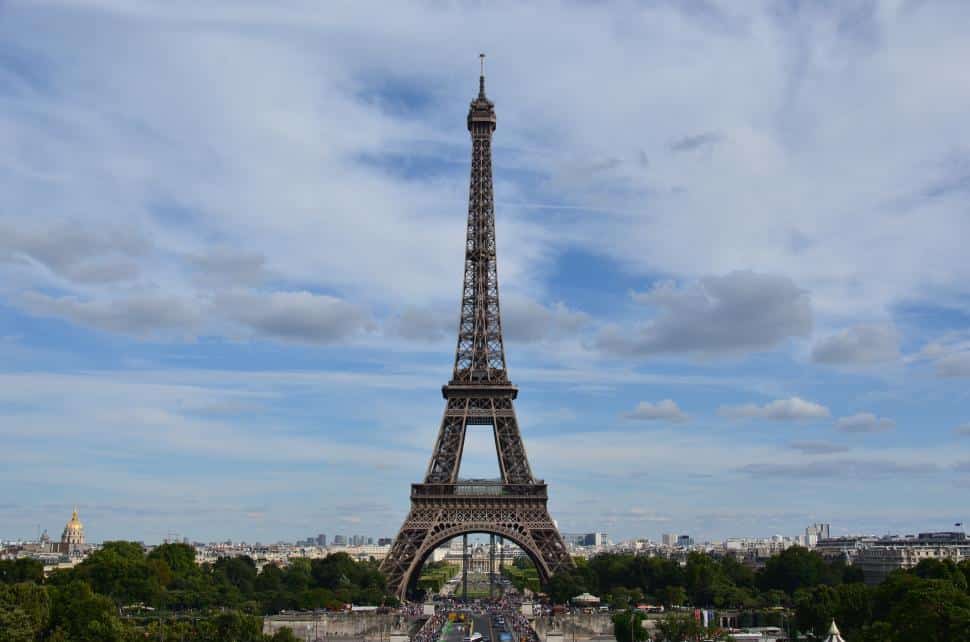
How it changed Paris:
| Aspect | Impact |
|---|---|
| Tourism | Draws over 7 million visitors annually |
| Economy | Generates hundreds of millions in revenue |
| City Image | Became a universal icon of Paris and France |
Guggenheim Museum – Bilbao
Before the late 1990s, Bilbao was a quiet industrial city in northern Spain. That changed dramatically in 1997 when the Guggenheim Museum, designed by renowned architect Frank Gehry, opened its doors. With its bold curves and futuristic materials, the museum quickly became a cultural magnet and the centerpiece of a city-wide transformation.

Bilbao before vs. after Guggenheim:
| Indicator | Before the Museum | 5 Years Later |
|---|---|---|
| Annual Visitors | Around 100,000 | Over 1,000,000 |
| Culture-related Jobs | Very limited | Thousands of new positions |
| City Image | Industrial and basic | Culturally vibrant and global |
Burj Khalifa – Dubai
When the Burj Khalifa opened in 2010, it didn’t just break height records — it marked a new era for Dubai. Soaring at over 828 meters, the world’s tallest building became a symbol of ambition, innovation, and the city’s growing influence on the global stage.

What the tower changed:
| Metric | Result or Impact |
|---|---|
| Annual Visitors | Surpasses 2 million people |
| Property Prices Nearby | Increased by nearly 60% post-opening |
| Business Attraction | Thousands of companies moved into the district |
✦ ArchUp Editorial Insight
The article explores how three iconic buildings reshaped their cities through bold architectural gestures that transcend aesthetics. The visuals highlight strong spatial compositions—from Bilbao’s fluid metallic curves to the vertical dominance of the Burj Khalifa. However, while visually compelling, the article falls short in addressing the buildings’ contextual or sociocultural integration. Can a landmark alone redefine an urban identity? Still, the piece offers a valuable visual and historical entry point into understanding how architecture influences long-term urban transformation.
Explore the Latest Architecture Exhibitions & Conferences
ArchUp offers daily updates on top global architectural exhibitions, design conferences, and professional art and design forums.
Follow key architecture competitions, check official results, and stay informed through the latest architectural news worldwide.
ArchUp is your encyclopedic hub for discovering events and design-driven opportunities across the globe.