

8 Unusual and Non Traditional Fields in Architecture

Architecture today is no longer just about building walls or designing fancy apartments. It has evolved into an art form, a way of thinking, and even a tool to understand how we interact with our surroundings.
With technological advancements and a growing focus on human experience, new and unconventional architectural fields have emerged some might even seem strange or futuristic, but they’re already shaping the future of design.
Here are 8 such fields that are redefining what architecture can be:
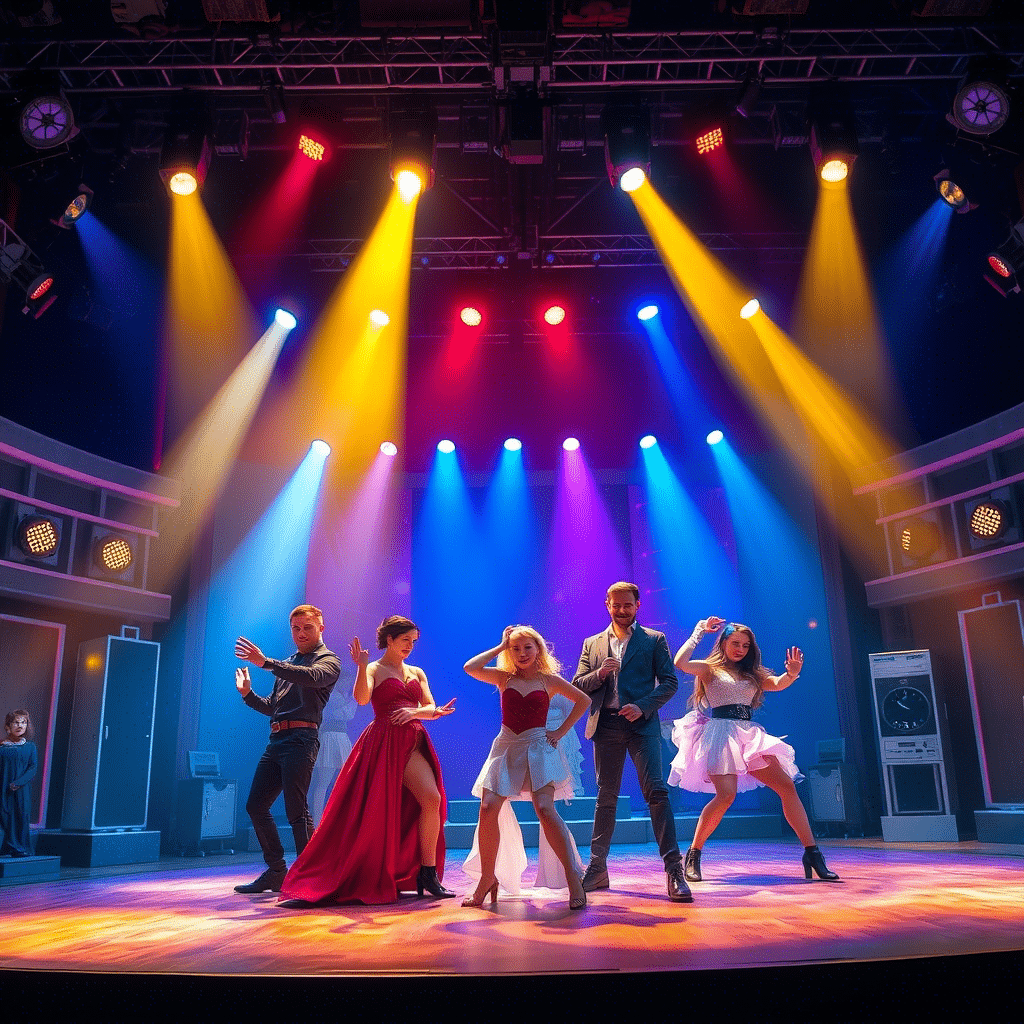
1. Scenography
Turning Spaces Into Experiences
Imagine walking into a space and instantly feeling a specific emotion joy, tension, awe all created by the environment around you. That’s exactly what scenographers do. They don’t just design spaces; they create immersive, sensory environments using light, sound, and movement.
| Element | Description |
|---|---|
| Field | Temporary experiential design |
| Use | Theater, dance performances, cultural events |
| Skills needed | Multidisciplinary (theater, architecture, sensory design) |
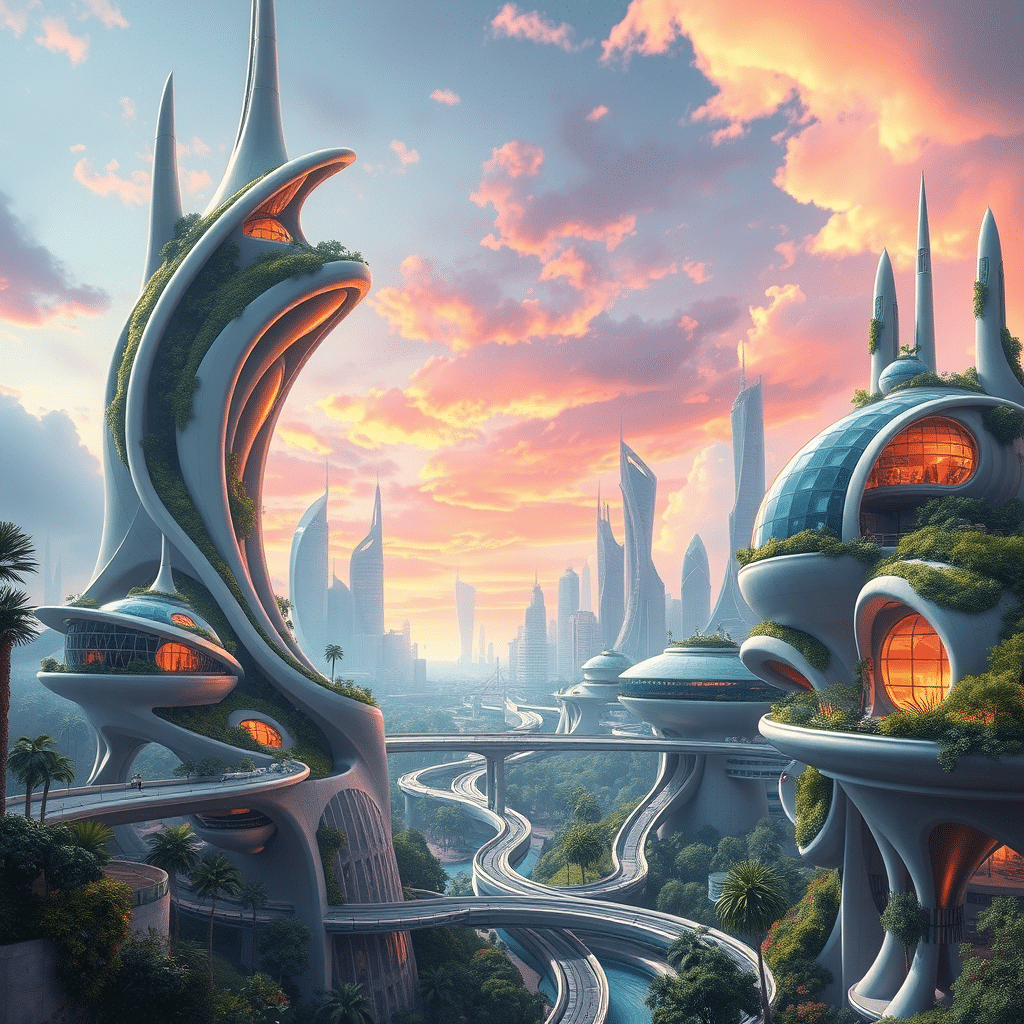
2. Architopia
When Cities Become Dreams Worth Building
The word Architopia comes from combining Architecture and Utopia. It’s not about cities that exist today, but rather visionary ideas of what cities could become. These designs may look like sci-fi at first glance, but many inspire real-world urban projects.
| Element | Description |
|---|---|
| Field | Imaginative city design |
| Use | Long-term urban planning |
| Goal | Offer futuristic solutions to current challenges |
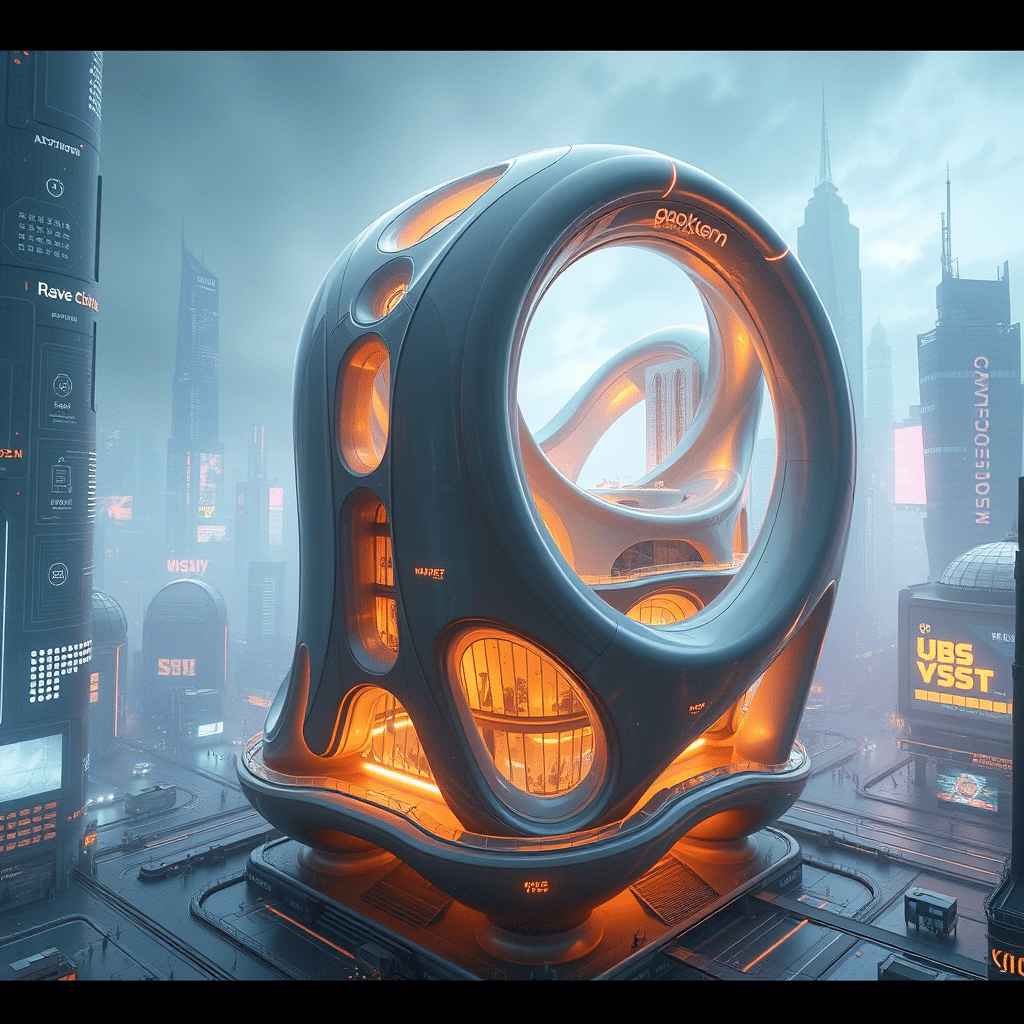
3. Amoebic Spaces
Architecture That Changes With You
Have you ever imagined a home that expands or shrinks based on your needs? That’s the core idea behind amoebic spaces inspired by the living organism called the amoeba. These are flexible, adaptive spaces made from smart, responsive materials that shift according to user needs.
| Element | Description |
|---|---|
| Field | Shape-shifting architecture |
| Use | Smart buildings, adjustable interiors |
| Materials | Gels, smart polymers, interactive surfaces |
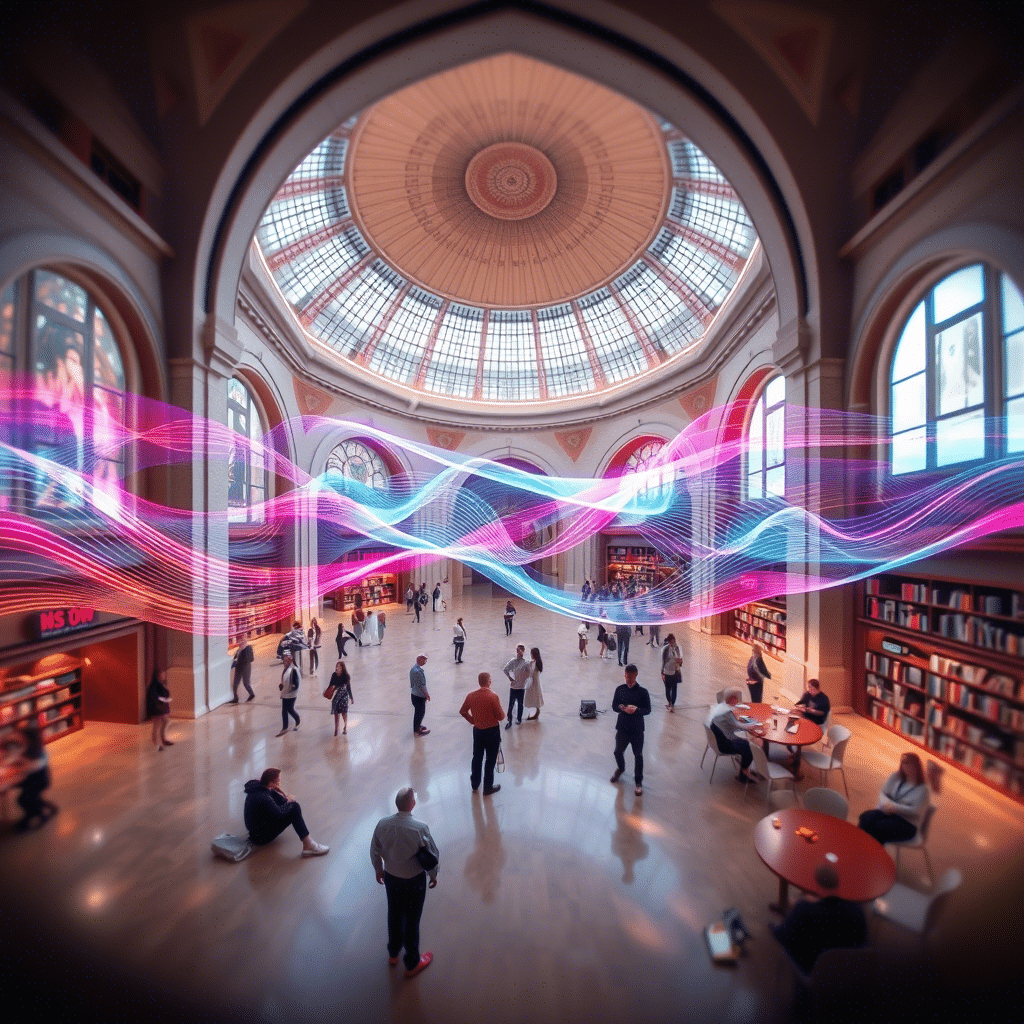
4. Soundscape Design
Architecture You Hear Before You See
When we enter a new place, we often think about its shape or color but what about the sound? Ever walked into a room and felt uneasy because of noise? That’s where soundscape designers come in. They focus on how sound affects our spatial experience.
| Element | Description |
|---|---|
| Field | Sound-based design |
| Use | Theaters, museums, mosques |
| Key elements | Echo control, sound distribution, quiet zones |
5. Material Ecology
Living Architecture That Breathes
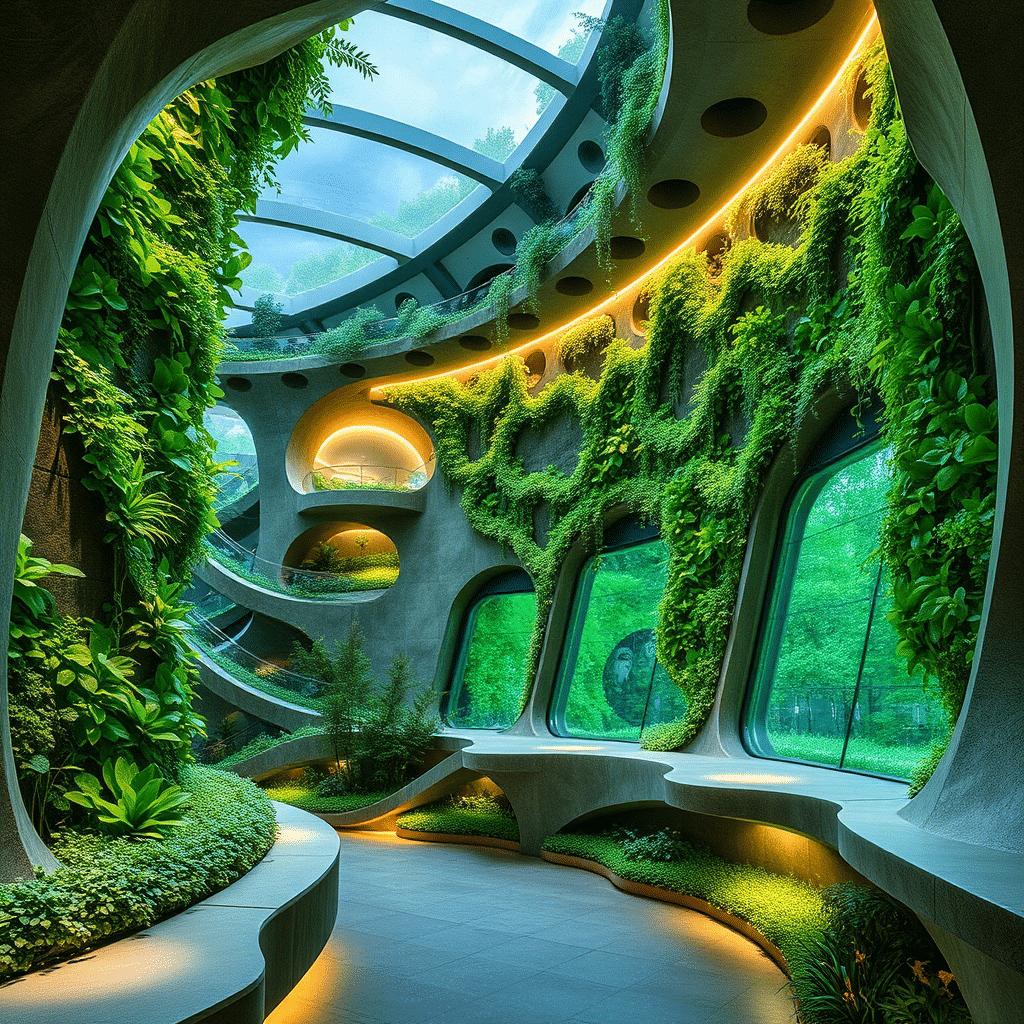
Instead of relying on traditional materials, this field uses natural or bio-based ones like algae or green walls that actively interact with the environment. These materials don’t just look good; they help clean the air, generate energy, and sometimes even grow over time.
| Element | Description |
|---|---|
| Field | Bio-responsive architecture |
| Use | Sustainable urban development |
| Examples | Living walls, bio-surfaces, renewable energy facades |
6. Infra-graphics
Visual Navigation Without Words
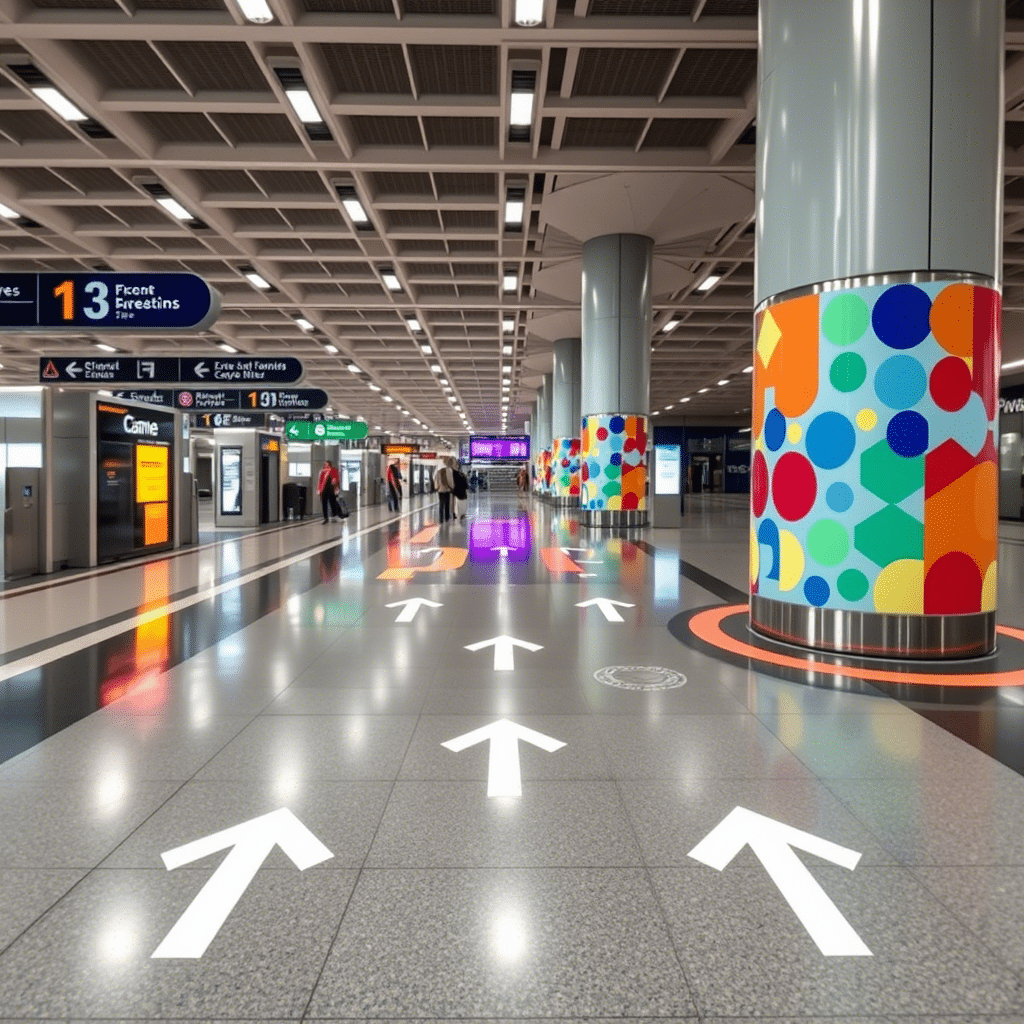
In big airports or metro stations, you rarely need long instructions to know where to go. Lines, colors, and shapes guide you visually without a single word. This is infra-graphics using visual design to convey information clearly and intuitively.
| Element | Description |
|---|---|
| Field | Visual navigation design |
| Use | Airports, train stations, shopping centers |
| Purpose | Make movement intuitive and easy |
7. Constructopia
Building Real or Virtual Worlds
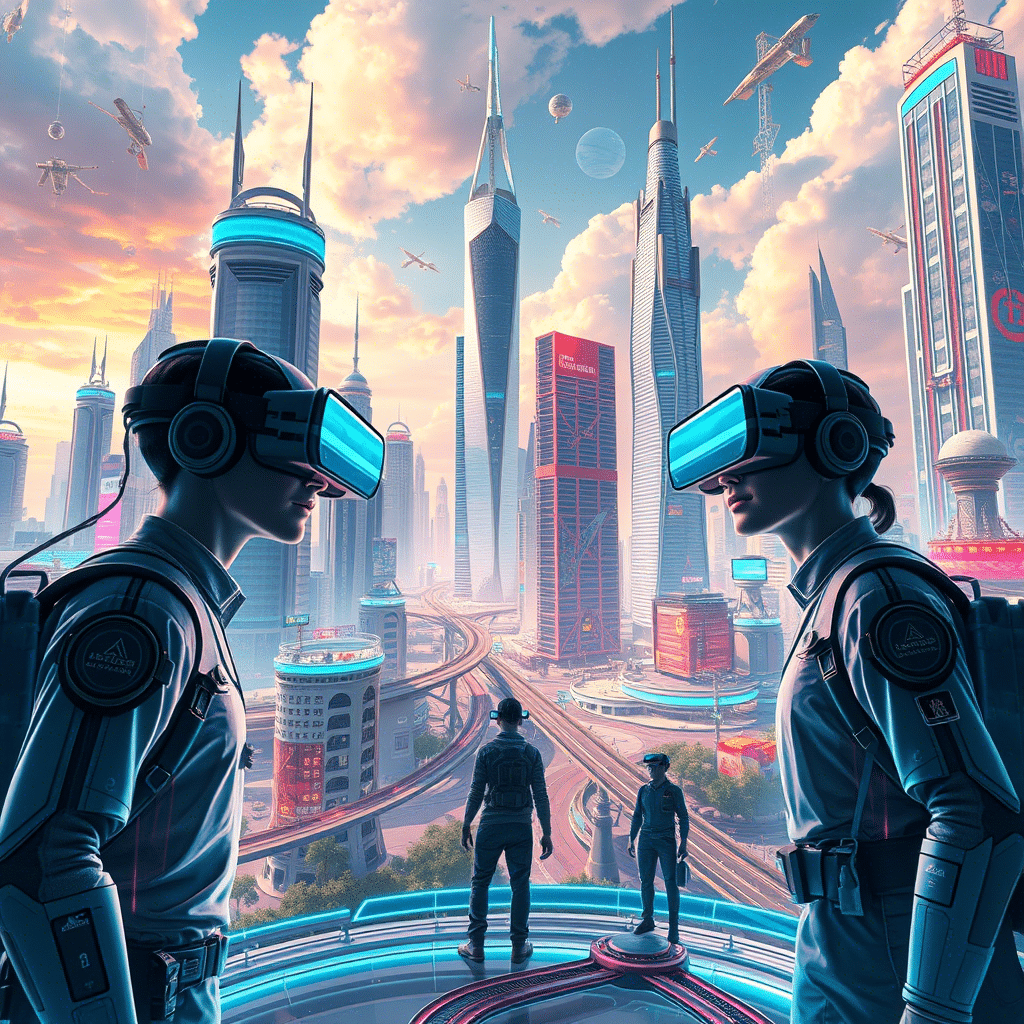
Ever imagined living in a futuristic city straight out of a sci-fi movie? Constructopia takes these imaginative worlds and turns them into real designs whether digital, physical, or augmented reality experiences.
| Element | Description |
|---|---|
| Field | Future world-building |
| Use | Films, urban projects, virtual reality |
| Technology | AI, 3D modeling, robotics |
8. Proxima
How Distance Shapes Our Experience
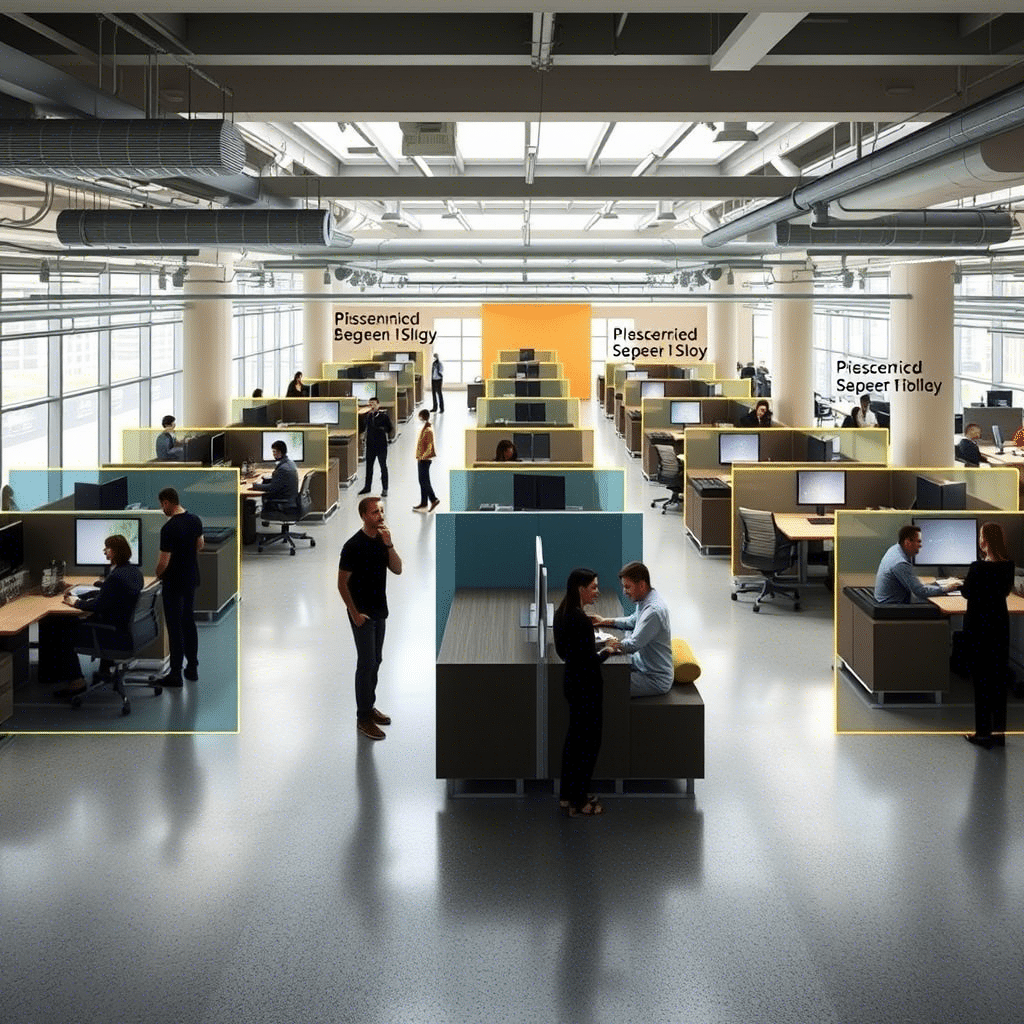
How does the space between you and others affect your comfort? Do you prefer sitting next to a stranger on a train or keeping distance? Proxima studies how spatial arrangements influence human behavior privacy, communication, and social interaction all play a role here.
| Element | Description |
|---|---|
| Field | Spatial-human behavior |
| Use | Public seating, offices, communal areas |
| Key elements | Personal space, privacy, social interaction |
In Summary
These eight fields might seem strange or even too futuristic to be real, but the truth is they already exist and are being used in major global projects.
They reflect a big shift in how we see architecture: no longer just a place to live, but an experience to live through.
✦ ArchUp Editorial Insight
This article explores eight unconventional architectural fields that challenge traditional design boundaries. Visually, the piece emphasizes fluid spatial concepts through dynamic layouts and descriptive visuals. While the content is conceptually rich, it lacks concrete examples of real-world implementation or measurable impact. The human-centric approach enhances readability, yet deeper contextual analysis would strengthen its relevance for professional architects. Still, the article succeeds in sparking curiosity about future design possibilities.
ArchUp: A Live Chronicle of the Arab and Global Architectural Scene
Since its launch, ArchUp has aimed to build an open knowledge archive covering everything related to architecture, design, and urbanism in the Arab world and beyond. We strive to provide neutral, encyclopedic content written in a professional tone, aimed at every architect, researcher, student, or decision-maker.
The content is managed by a dedicated editorial team that ensures daily review and updates of news, articles, and design data. We invite you to reach out via our Contact Us page to contribute, suggest, or collaborate in expanding the architectural knowledge network we are building together.


