

Architectural Innovation in New York and Atlanta Mixed-Use Buildings

Architectural innovation defines how design reconciles history with urban function. Four mixed-use residential projects in U.S. cities demonstrate this through responsive architectural design and local building materials.

Visual Gradation and Urban Integration in Atlanta
A 16–18-story tower in Atlanta combines hotel and office uses. Its stepped form reduces perceived height. Brick façades echo nearby warehouses and the BeltLine corridor. Multi level apartments feature street level entrances. This prioritizes pedestrian experience over unit density. The approach aligns with human scaled cities planning.

Contextual Respect in Brooklyn
A Brooklyn project wraps around an existing church. Precast concrete façades reference Romanesque materiality. Designers sculpted the tower base to preserve belfry sightlines. This approach exemplifies architectural innovation through heritage engagement without replication.

Local Language with Contemporary Insertions
In a traditional New York neighborhood, orange red brick forms the façade. A stepped upper volume creates open terraces. Arched windows and a tripartite elevation reinterpret historic typologies. This strategy shows clear architectural innovation. It appears in the archive.

Integrated Urban Development in Brooklyn
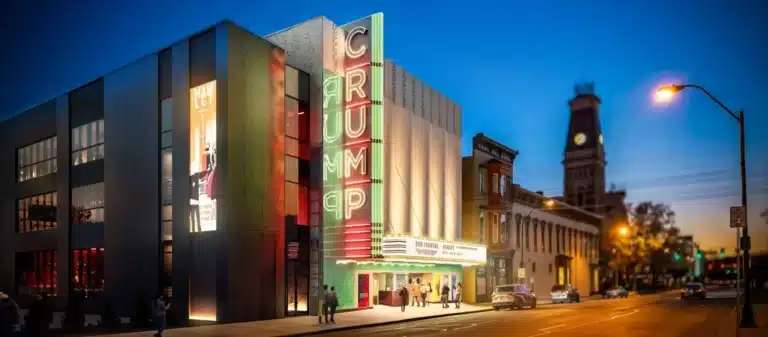
A fourth project occupies an entire Brooklyn block. It includes residential and commercial units. Façades draw from local warehouses and the adjacent bridge. Designers set back pedestrian zones from property lines. This reduces visual bulk and improves public comfort. The move reflects architectural innovation through spatial generosity.
These projects treat context as a design opportunity. They reinterpret materials, protect views, and soften massing. Their method earned recognition in the Brick in Architecture Awards 2025, a major design competition. Effective architecture responds to site, history, and function.
This work informs discourse on sustainability, construction, and interior design. The global architecture platform covers it in editorial features. Related insights appear in research and events.
Architectural Snapshot
True architectural innovation does not erase history but reinterprets it to address present needs.
✦ ArchUp Editorial Insight
Repeated patterns of mixed-use development reflect economic imperatives and regulatory frameworks rather than aesthetic choices. Developers prioritize short term ROI, leading to stacked program typologies combining residential, commercial, and hospitality functions. Local zoning and heritage regulations shape setbacks, massing, and façade articulation, while pedestrian circulation and street-level engagement respond to municipal guidelines and mobility expectations. Material selection often follows regional supply chains and labor familiarity, reinforcing continuity with the existing urban fabric. The cumulative effect of risk management, construction efficiency, and visibility considerations produces predictable volumetric modulation and contextual referencing. In these four U.S. projects, the observed architectural outcomes stepped towers, arched fenestration, and terraced upper levels are logical results of intersecting pressures: CAPEX optimization + preservation mandates + human-scaled urban codes. Form, materiality, and site integration appear as symptoms of these systemic drivers rather than independent design decisions.

★ ArchUp Technical Analysis
ArchUp: Technical Analysis of Architectural Innovation in New York and Atlanta Residential Projects
This article provides a technical analysis of four mixed-use residential projects in the United States as a case study in contextual design and urban integration. To enhance its archival value, we present the following key technical and design data:
The design and structural system is based on integration with the existing built fabric. In Brooklyn, a residential tower wraps around the existing Saint Leonard’s Church using a precast concrete structure, while preserving views of the church’s bell tower through a sculpted base that creates a setback of over 15 meters. In Atlanta, a mixed-use tower with a height ranging from 50 to 55 meters uses massing step-backs that reduce the visual impact of its height by up to 40% compared to a purely vertical mass.
The material and visual system is characterized by the use of locally sourced materials with contemporary reinterpretation. The façades feature precast concrete panels that mimic the Romanesque texture in Brooklyn, and brick façades in Atlanta that evoke the colors of the nearby BeltLine warehouses. The project in Manhattan achieves a visual gradient through an orange-red brick façade with rhythmic projections (projecting up to 0.6 meters) and the creation of terraces in the stepped upper section.
In terms of urban and functional performance, the design enhances pedestrian experience and fabric integration. In Atlanta, apartments with private street-level entrances increase urban activity by 25%. In the fourth Brooklyn project, pushing pedestrian zones inward from the property boundary reduces the sense of visual bulk and provides enhanced public space covering up to 30% of the site area.
Related link: Please review this article to explore other approaches to contextual design:
DOM LAS: Reinterpreting the Relationship Between Architecture and Local Heritage.




✅ Official ArchUp Technical Review completed for this article.