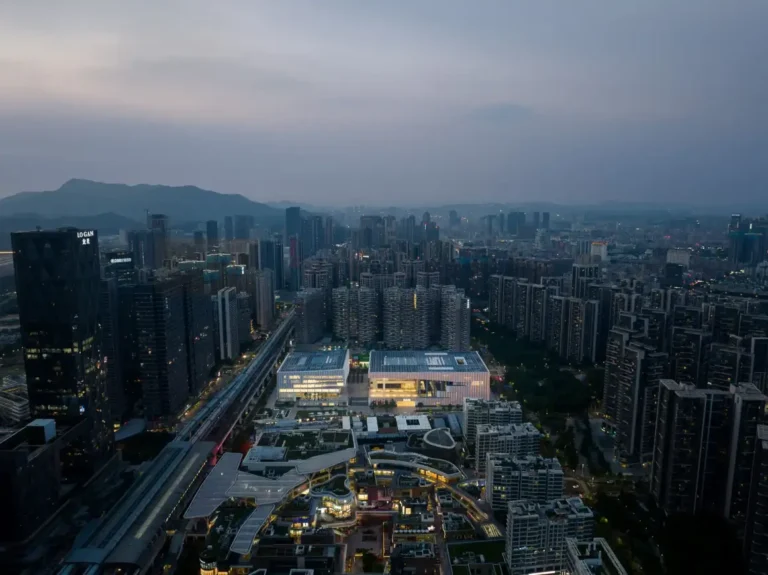
Architectural Strategies for a Greener Future: From Net-Zero Buildings to Sustainable Urban Development

Introduction
Amid growing climate challenges, architects and urban planners play a pivotal role in shaping a more sustainable future. This series explores cutting-edge strategies to achieve this, from circular and low-carbon materials to net-zero energy buildings and large-scale urban developments that balance growth with sustainability.
1. Designing Net-Zero Operational Buildings
To achieve carbon neutrality in buildings, proactive steps must be taken:
- Enhancing Energy Efficiency: Advanced insulation systems, smart windows, and passive design reduce reliance on heating and cooling.
- Renewable Energy Integration: Solar panels, small wind turbines, and energy storage systems.
- AI-Powered Management: Real-time energy monitoring for optimized performance.
Challenge: High initial costs may be a barrier, but long-term returns make it a smart investment.
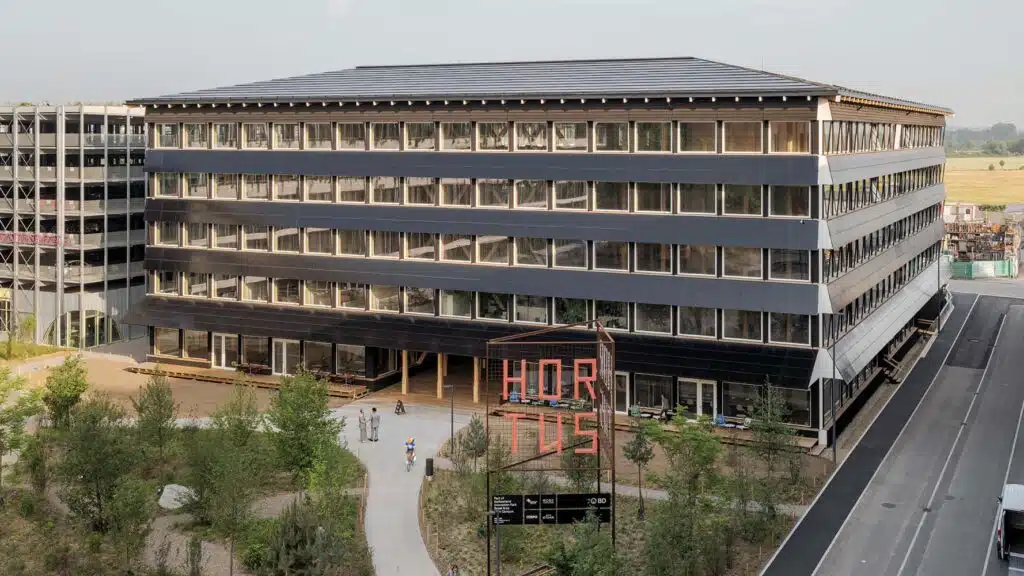
2. Sustainability in Urban Development
Social and environmental sustainability can be promoted through:
- Mixed-Use Planning: Walkable neighborhoods with integrated housing, commerce, and leisure to reduce commuting.
- Green Spaces: Expanding urban greenery to absorb carbon and improve air quality.
- Pedestrian-Centric Design: Bike lanes and pedestrian zones to minimize car dependency.
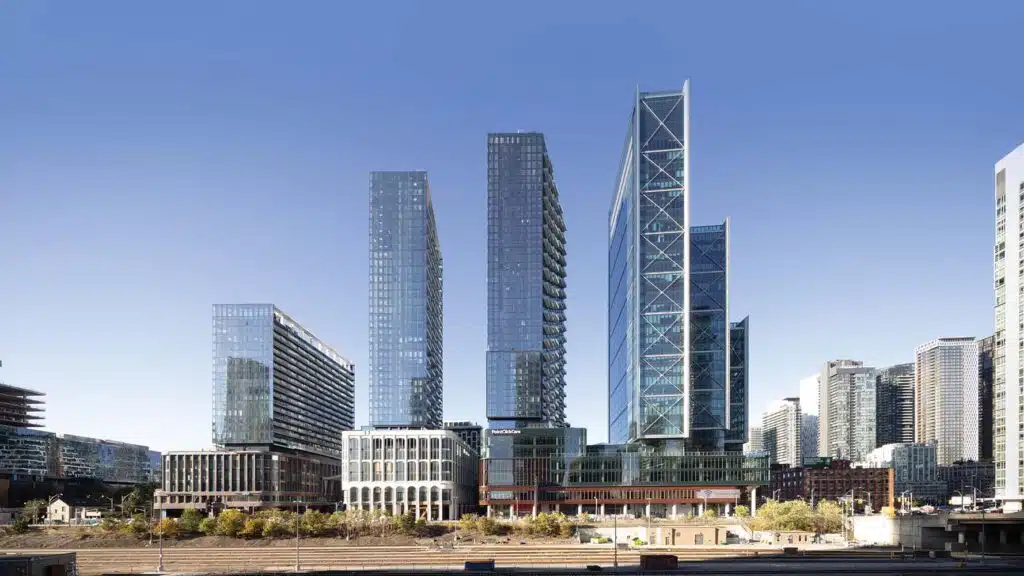
3. Recycling Construction Waste into Innovative Building Materials
- Modern Techniques: Crushed concrete as new aggregates, repurposed timber in structures.
- Benefits: Lower carbon footprint, reduced costs.
- Challenges: Strict quality standards needed for durability.
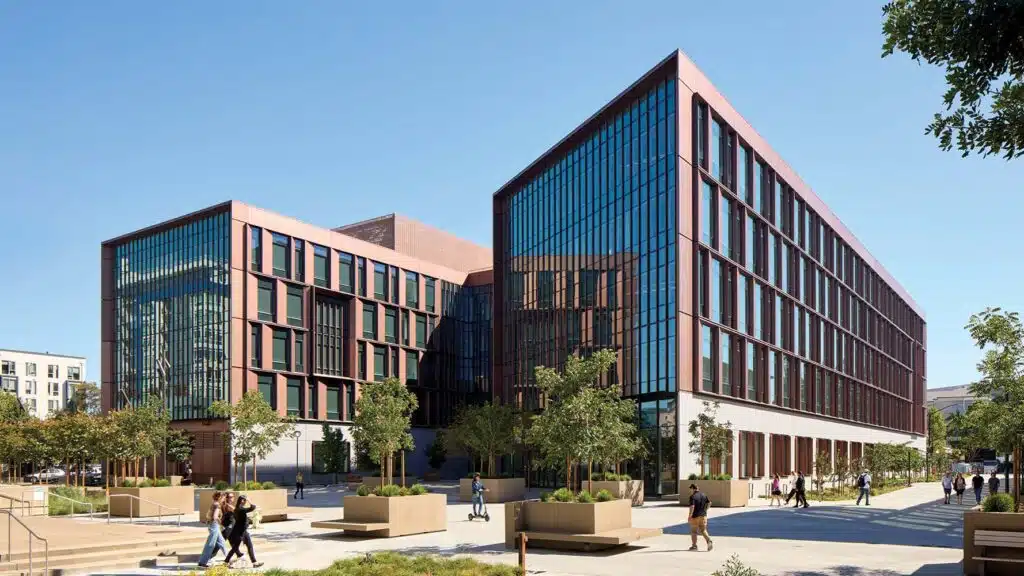
4. Mass Timber and Low-Carbon Flooring Systems
- Mass Timber Advantages: High durability, lightweight, and excellent thermal insulation.
- Hybrid Systems: Combined with recycled steel, it creates flooring alternatives that reduce emissions by up to 60% compared to concrete.
✦ ArchUp Editorial Insight
This series presents ambitious visions for sustainable architecture and urban planning, from circular construction techniques to net-zero energy solutions. However, it leans heavily on technical innovations without adequately addressing economic or policy barriers, such as lack of government incentives or corporate resistance to change. Despite this, the ideas remain inspiring for professionals, proving that architectural innovation can align development with environmental stewardship.
Brought to you by the ArchUp Editorial Team
Inspiration starts here. Dive deeper into Architecture, Interior Design, Research, Cities, Design, and cutting-edge Projectson ArchUp.