
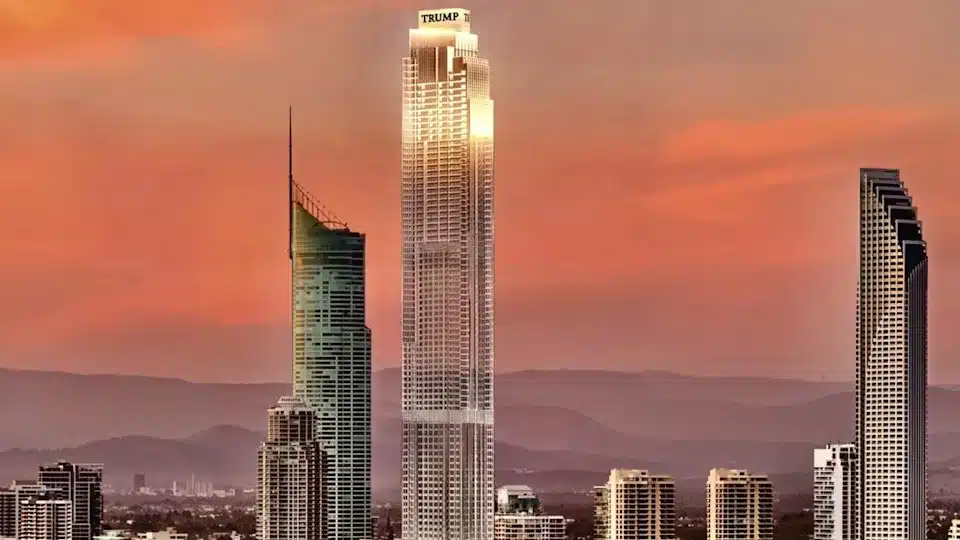
Trump Tower Gold Coast Set to Become Australia’s Tallest Building

91-Storey Development Challenges Queensland’s Height Record
A 91-storey tower in Surfers Paradise is set to claim the title of Australia’s tallest building. The 335-metre development will surpass the current record holder by approximately 12 metres.
The Trump International Hotel & Tower Gold Coast will rise above the Q1 Tower, which has held the nation’s height record since 2005. Therefore, this marks a significant shift in the country’s architectural landscape.
Mixed-Use Tower Features Premium Components
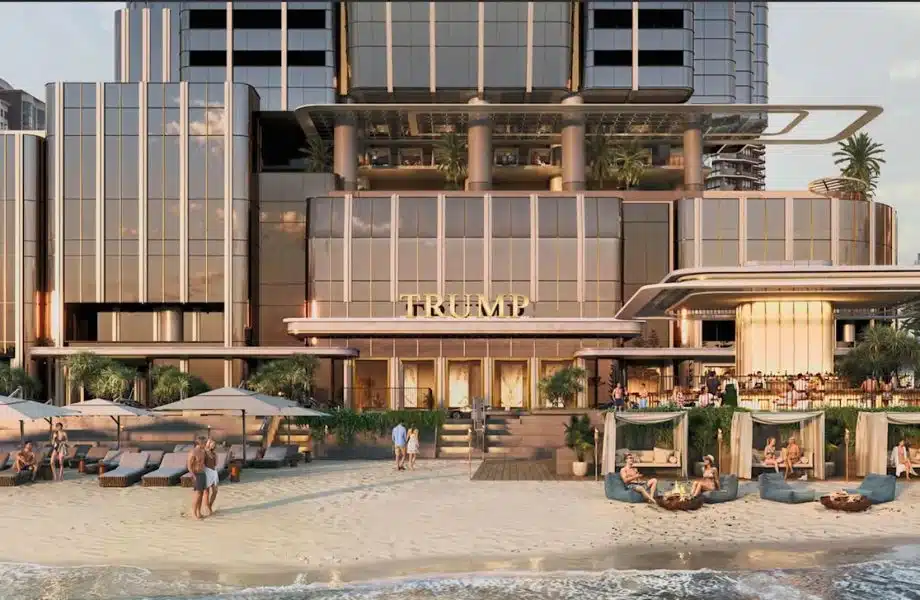
The development combines multiple functions across its considerable height. A 6-star resort-hotel will occupy significant portions of the tower, offering Pacific Ocean views.
Additionally, the project includes 270 residential apartments. Each unit carries a price tag of approximately A$5 million. Penthouses remain unpriced at this stage.
Meanwhile, the base incorporates a five-floor commercial and retail space spanning 3,400 square metres. This mixed-use approach reflects contemporary trends in high-rise development.
Economic Impact and Employment
The project promises substantial economic benefits for the region. Developers estimate 500 construction jobs during the building phase.
Furthermore, 500 permanent positions will be created once operations commence. Consequently, the tower represents a significant employment generator for Queensland’s Gold Coast.
Design Direction and Global Context
The development will follow a modern design approach rather than ornate styling. This aesthetic aligns with properties currently under construction in Saudi Arabia and the UAE.
The tower represents the first branded development of its kind in Australia. However, it joins 139 similar resorts and towers worldwide.
Construction is scheduled to begin this year. The project adds to ongoing urban development along the Gold Coast skyline.
Height Competition in Australian Architecture
The Q1 Tower has dominated Australia’s height rankings for nearly two decades. This new development challenges that long-standing record with its additional height.

The race for vertical supremacy continues to drive architectural innovation in major Australian cities. Moreover, such projects reshape urban skylines and influence future planning decisions.
The Gold Coast location positions the tower within an established tourist destination. Therefore, the combination of hospitality and residential components targets both visitors and permanent residents.
Will this development spark a new wave of supertall construction across Australia’s coastal regions? The answer may reshape the nation’s approach to high-rise design and urban infrastructure.
A Quick Architectural Snapshot
The 335-metre tower comprises 91 storeys featuring a 6-star hotel, 270 apartments, and 3,400 square metres of commercial space. Construction begins this year in Surfers Paradise, Queensland, exceeding the current national height record by 12 metres. The development emphasizes modern design principles.
✦ ArchUp Editorial Insight
A 335-metre tower on a tourism-dependent coastline does not emerge from architectural ambition. It emerges from a specific convergence of forces.
Layer of origin: International branding models require vertical landmarks to justify premium pricing in secondary markets. When a coastal city’s economic identity depends on visitor volume, height becomes a marketing instrument, not a spatial necessity. The 91-storey threshold is not driven by demand for 270 units at A$5 million each. It is driven by the need to manufacture scarcity through altitude.
Recurring pattern: Mixed-use supertall projects in resort economies consistently replicate a formula: hotel floors absorb operational risk, residential floors extract capital, and retail podiums simulate urban activity in car-dependent corridors. This pattern repeats from the Gulf to Southeast Asia, regardless of climate, culture, or urban planning context.
Probability indicator: When a project’s announced employment figures match its unit count almost exactly, the economic narrative is optimized for approval, not analysis.
This tower is the logical outcome of brand-franchise economics, height-as-value perception, and a two-decade vacancy at the top of a national ranking.



