

Bizyboy / Studio: A Theatrical Culinary Experience in the Heart of Shanghai

Nestled within the quiet, residential fabric of Shanghai’s Yu Yuan Road, Bizyboy / Studio emerges not as a mere restaurant, but as a compact and stunning architectural intervention that abruptly and delightfully intersects the urban street scene. This project, completed in 2024 and spanning 250 square meters, masterfully blends bold brand identity with intimate sensory encounters, transforming the daily act of dining into a memorable theatrical experience.
The architectural dialogue begins at the threshold. A large-scale sign and a vibrant, almost alive personal billboard play a dual role: they are both a bold declaration of presence and a whimsical, slightly shy invitation. This quirky welcome sets the tone for every guest who steps inside, promising an adventure that is both curated and spontaneous.
Upon entering, the interior unfolds as a carefully sequenced journey of sensory discoveries. The design team, Josh Ren and Bayer Wang, in collaboration with TAI Architecture and Decoration, have eschewed conventional restaurant layouts in favor of a dynamic spatial narrative. The interplay of light, texture, and form guides visitors through a series of curated vignettes. Clean lines and contemporary materials like glass and thoughtfully selected lighting fixtures create a modern backdrop, while strategic architectural elements introduce moments of surprise and drama.
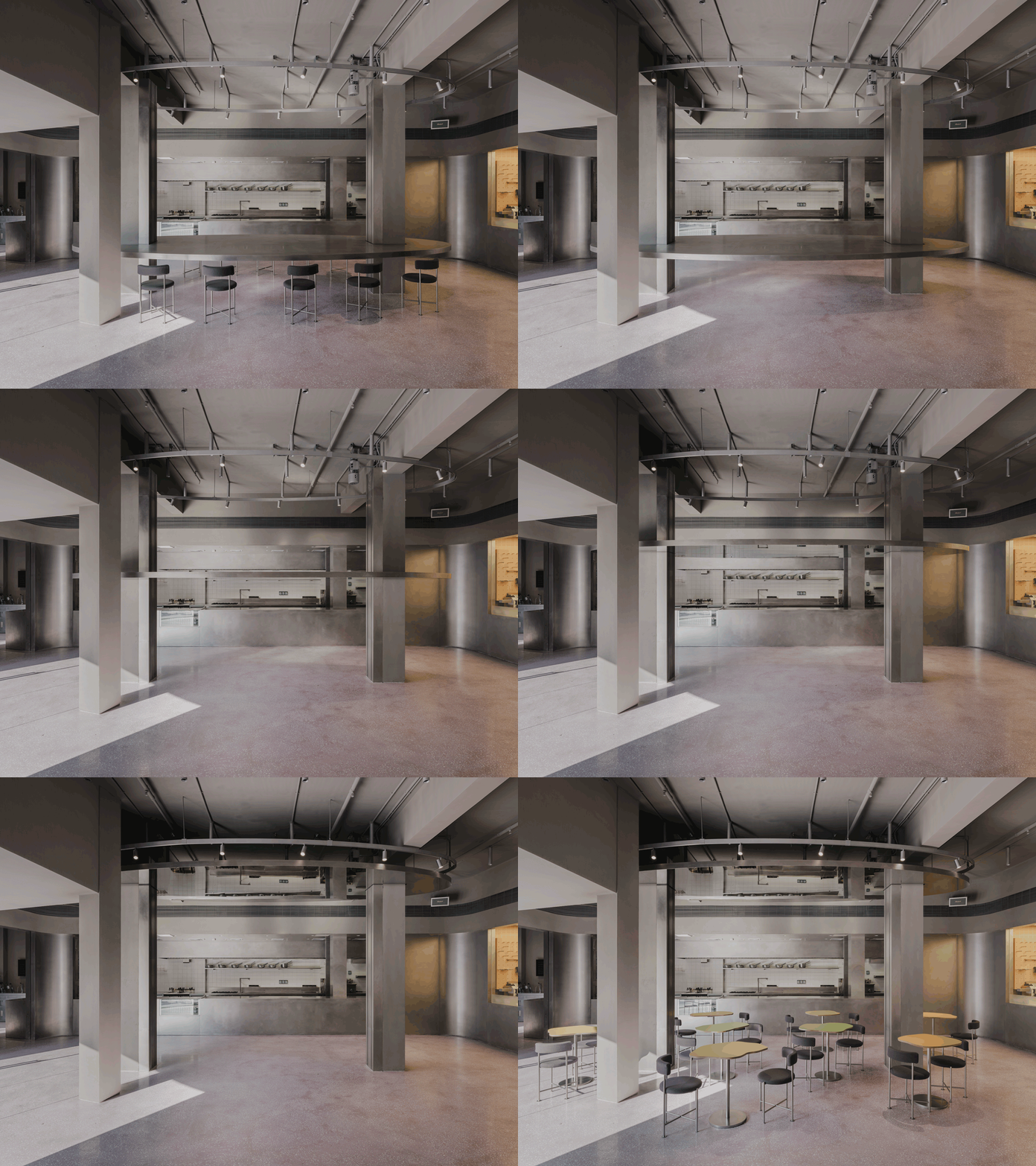
The concept by brand designer Luo Yang is palpably integrated into the architecture itself. The space doesn’t just house the brand; it performs it. The transition from the public street to the private dining area is a calculated reveal, building anticipation. The compactness of the footprint is cleverly negated by design choices that enhance perceptual space, making the environment feel both expansive and intimately cozy.
Ultimately, Bizyboy / Studio transcends its primary function. It is a case study in how targeted architectural and interior design—including strategic lighting, spatial planning, and bespoke furniture like the distinctive chairs and tables—can elevate a simple meal into a form of immersive storytelling. It stands as a testament to Shanghai’s evolving design scene, where creativity and culinary art collide in the most unexpected of places.
(✦ ArchUp Editorial Insight)
Bizyboy / Studio exemplifies how immersive design can theatricalize the mundane act of dining, creating a vibrant narrative through architecture and brand identity. The project’s strength lies in its bold, quirky character, which successfully crafts a unique and memorable user experience from sidewalk to table. However, the very intensity of its sensory approach might risk overwhelming patrons seeking a purely culinary-focused respite, suggesting a delicate balance between spectacle and solace is key. Ultimately, its greatest achievement is proving that even within a compact urban footprint, architecture possesses the profound power to transform everyday rituals into extraordinary events.


