Bridging the gap between understanding bridge design and construction


Bridging the gap between understanding bridge design and construction,
Bridges are an essential part of many societies around the world,
and understanding their design and construction process is key to building safe and stable structures.
The design and construction of bridges is a complex endeavor that requires comprehensive knowledge of building materials, engineering principles, and the environment.
When it comes to bridge design, engineers must consider the purpose of the bridge,
the environment in which it will be built, the loads it will need to bear, and the potential environmental impacts of the construction.
The purpose of the bridge is to bridge a gap and provide safe passage for vehicles, pedestrians, and other forms of transportation.
The environment and geography of the area where the bridge is being built must also be considered,
as different materials and construction techniques are necessary for different climates, terrains, and water levels.

The load capacity of a bridge is a critical factor in its design and must be accurately calculated to ensure that the bridge can support the necessary weight without buckling.
In bridge construction, engineers must choose the most appropriate type for the site,
using either a beam bridge, arch bridge, cable-stayed bridge, suspension bridge, or truss bridge.
Each of these types of bridges has advantages and disadvantages.
The type of bridge design must be chosen carefully to ensure that the bridge is structurally sound and can carry the necessary loads.
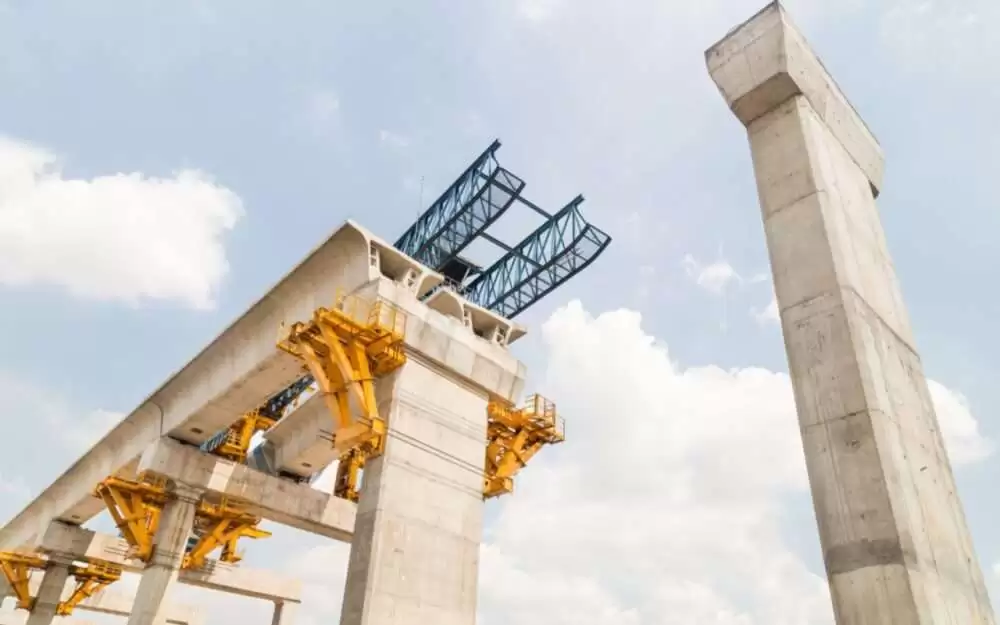
Bridge construction steps include surveying the area, preparing the foundation, erecting the superstructure, erecting the deck, and connecting roads.
The materials used to build the bridge also play an important role in its design.
Steel and concrete are the most commonly used materials.
However, they must be selected based on their ability to withstand temperature extremes,
winds, seismic activity, erosion, and other environmental factors for the bridge site.
In addition, bridge construction must follow certain safety regulations and standards.
such as those set by the American Highway Association and state transportation officials,
To ensure that the bridge can bear the load it needs to carry.
Finally, bridges must be maintained and repaired over time to ensure their integrity and safety.
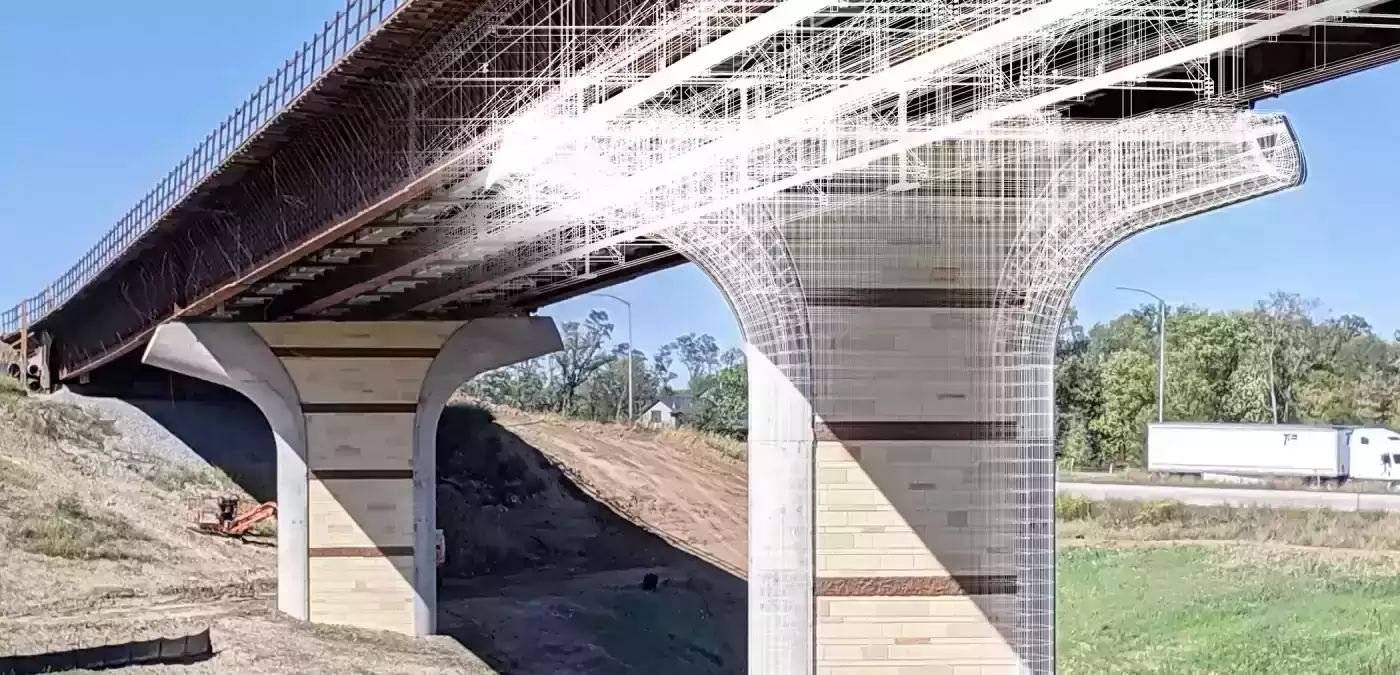
Regular maintenance tasks such as cleaning, checking,
and painting the bridge can help prevent damage and costly repairs.
Engineers must assess the cause of the damage and repair the bridge using appropriate techniques.
Bridge design and construction
Bridge design and construction is an incredibly complex process that requires a lot of technical knowledge and expertise.
Engineers must plan and design the bridge carefully before any construction begins to ensure its safety and structural integrity.
The process begins with understanding the purpose of the bridge,
the environment in which it will be built, and the load capacity it needs to bear.
One of the most important aspects of bridge design is understanding the types of bridges available.

Each type of bridge has requirements and specifications that must be observed to ensure safety and reliability.
Common types of bridges include girder, truss, arch, cable-stayed and suspension bridges.
Each type of bridge has its pros and cons,
and it is important to choose the type that best meets the needs of the project.
Once the type of bridge has been determined, the engineers must design the bridge.
This includes creating a detailed plan for the bridge, calculating the types of materials and construction methods used,
And calculate the loads that it will have to bear.

Engineers also need to consider any environmental factors that could affect the bridge – for example, strong winds or earthquakes.
Once the design is complete, construction can begin.
This includes assembling and securing bridge components at the construction site.
This can be a labor intensive process,
It often requires a team of workers to lift and place large, heavy pieces of steel, concrete, and other materials.
The construction process must be carefully monitored to ensure that the bridge is built correctly and in compliance with all regulations and safety standards.
Finally, once the bridge is complete, it requires regular maintenance and repair to ensure that it remains in good condition and is safe to use.
This includes routine inspections, replacement of damaged materials and components,
Modifying the bridge to withstand changing environmental conditions.

Designing and building a bridge is no small feat –
it requires a team of highly skilled professionals with expertise in both engineering and construction.
By understanding the purpose of a bridge, the types of bridges available, and the steps required to design and build one,
Engineers can ensure that the bridge is safe, reliable and built to the highest standards.