Burning Man 2026 Reveals Temple and Pavilion Designs Inspired by Nature

Burning Man has unveiled two major architecture installations for its 2026 edition. The Temple of the Moon and the Cryptomeria pavilion will rise in Nevada’s Black Rock Desert this August. Both structures draw inspiration from natural cycles and ancient symbolism.
Temple of the Moon Embraces Lunar Cycles
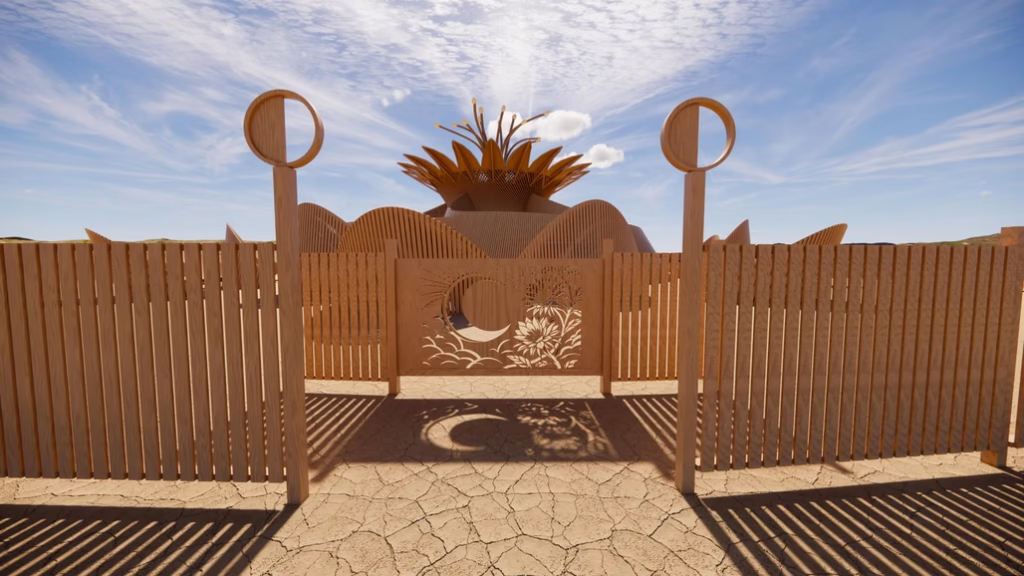
The Temple of the Moon takes its inspiration from the Queen of the Night cactus. This desert plant blooms briefly at night before fading away. The design concept mirrors this fleeting beauty through lunar phase alignment.
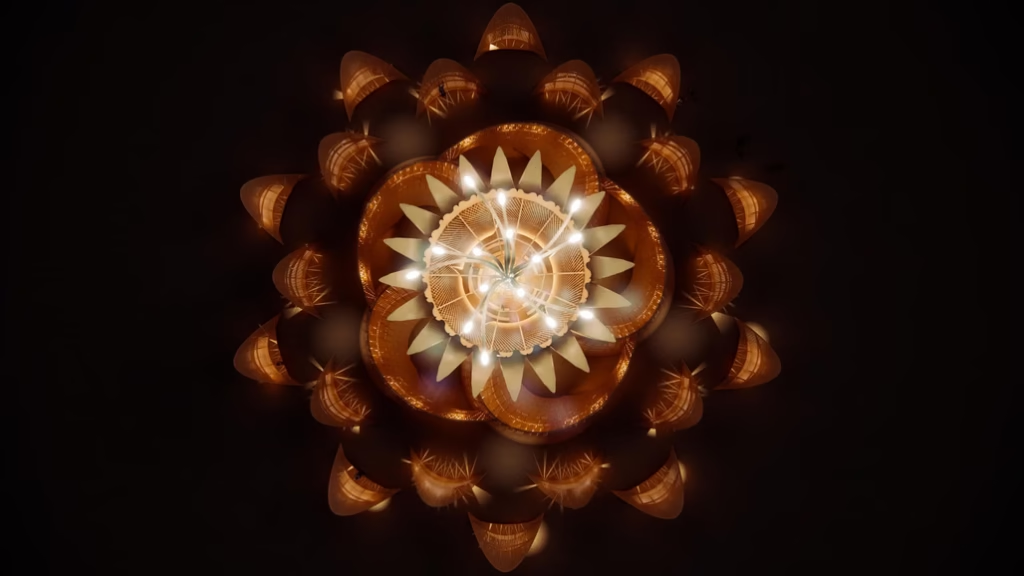
The construction timeline follows the moon’s cycle precisely. Work begins under a new moon and reaches completion during a full moon. Moreover, the structure remains in use as the moon wanes throughout the event. The pavilion burns shortly after the new moon returns. This ritual destruction completes a full lunar-aligned lifecycle within the temporary architecture framework.
Cryptomeria Pavilion Connects Earth and Sky
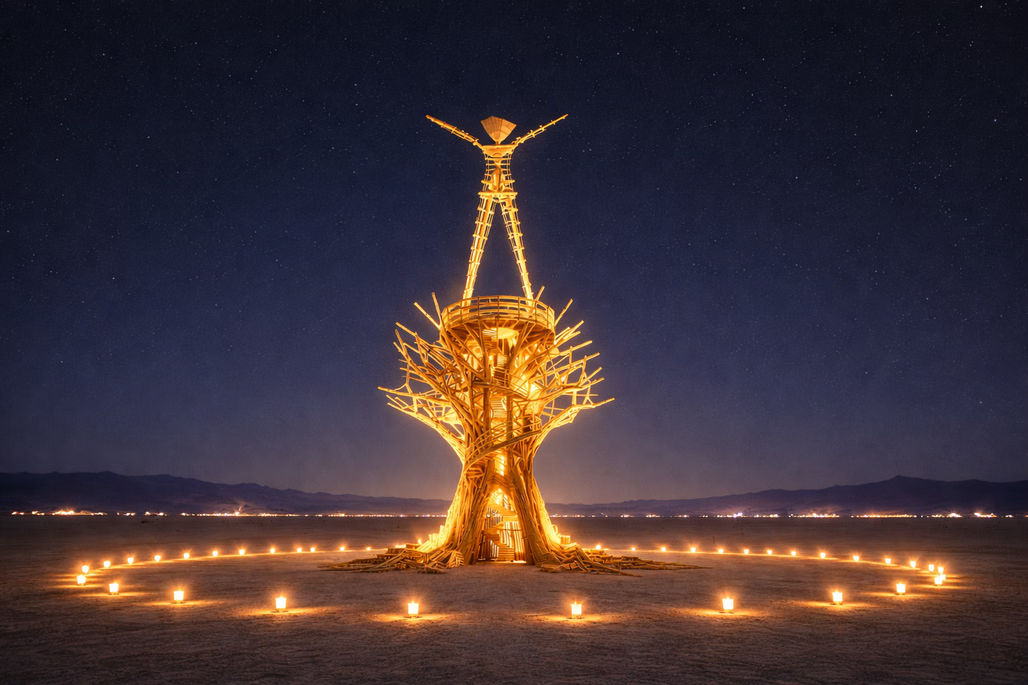
Meanwhile, the Cryptomeria pavilion references the ancient Jōmon Sugi tree in Japan. This Cryptomeria japonica specimen has survived for thousands of years. The design embodies the concept of axis mundi. Therefore, the structure symbolizes a sacred connection between earth and sky.
The building features a central base with root-like pathways. These branching routes guide visitor movement through the installation. A spiral staircase rises approximately sixty feet to an elevated platform. However, a second spiral provides a separate descending route for continuous flow.
Double-Helix Design Creates Unique Circulation
The two spiral pathways form a double-helix configuration within the structure. This design enables uninterrupted movement throughout the pavilion. Visitors ascend one staircase and descend the other without crossing paths. The circulation system establishes a strong vertical axis in the desert landscape.
Both installations demonstrate how temporary architecture can carry deep symbolic meaning. The structures will serve tens of thousands of participants during the week-long event. Each design transforms natural inspiration into immersive spatial experiences. Furthermore, both pavilions will ultimately return to the desert through fire. This aligns with Burning Man’s tradition of construction and ritual destruction.
The 2026 event continues the festival’s legacy of ambitious architectural experiments. These temporary buildings push creative boundaries while honoring natural cycles. Stay updated on similar projects through our news section.
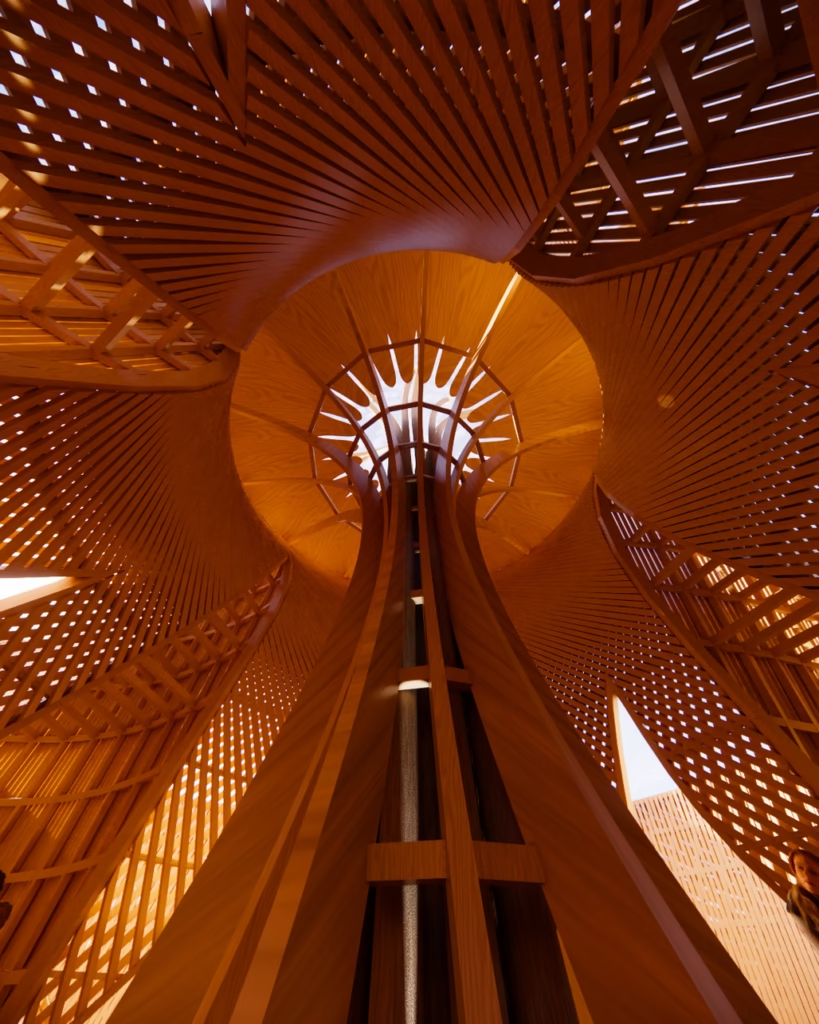
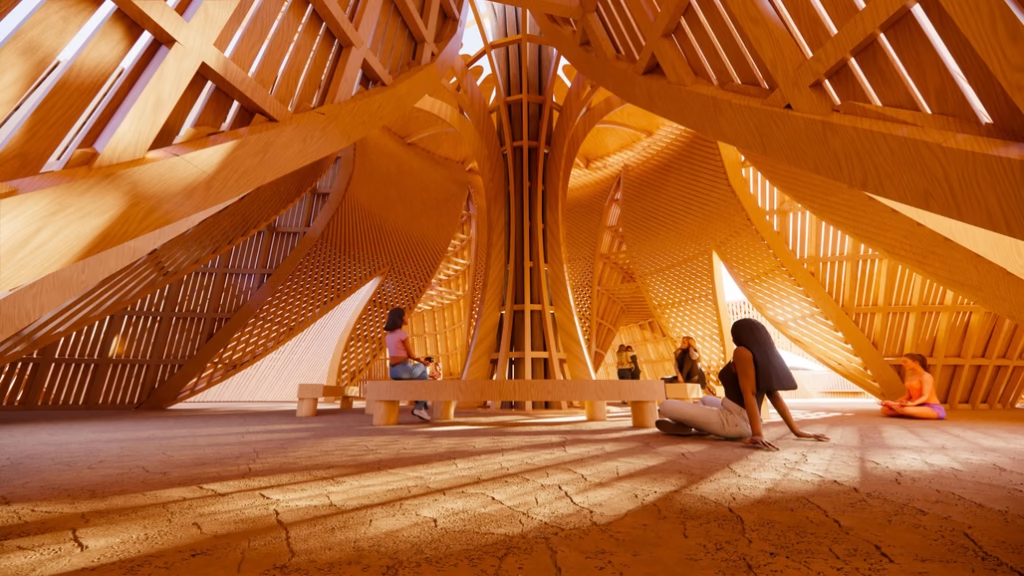
A view looking upward inside the Temple of the Moon reveals the spiraling wooden framework and central axis. Image © Annie Locke Scherer
A Quick Architectural Snapshot
Two temporary structures will define Burning Man 2026. The Temple of the Moon follows lunar cycles from construction to destruction. The Cryptomeria pavilion features a sixty-foot double-helix staircase connecting earth to sky. Both designs transform natural inspiration into immersive desert architecture before returning to ash.
✦ ArchUp Editorial Insight
Temporary architecture at large-scale festivals reflects a growing cultural shift toward experiential consumption. Participants increasingly value moments over permanent possessions. This behavioral pattern drives demand for immersive structures designed for destruction.
The lunar-aligned construction timeline addresses logistical constraints within ritualistic framing. Building crews work under strict deadlines in harsh desert conditions. Aligning schedules with natural cycles transforms necessity into narrative.
The double-helix circulation system solves crowd management challenges. Separating ascending and descending traffic prevents bottlenecks at sixty-foot heights. Safety requirements become design features through thoughtful integration.
Both structures serve populations expecting Instagram-worthy backdrops. Visual distinctiveness ensures social media amplification without marketing budgets. The architecture performs promotional labor while appearing countercultural.
This project is the logical outcome of experience economy priorities plus extreme environment constraints plus social media visibility demands.