Canada’s Building Permits Rise 8.8%, but Annual Housing Authorizations Fall

Canadian building permit values rose 8.8% in August to C$13.6 billion, according to Statistics Canada’s October 14 release. Multi-unit housing drove the increase. Yet the number of dwellings authorized over the preceding 12 months fell to 299,500 from 305,500 in the previous equivalent period.
The contrast matters for architecture and construction practices: a stronger month in planned expenditure is not the same as a sustained expansion in housing output.
Residential and non-residential activity diverge
The government of Nova Scotia’s statistical summary of the same national data reports residential permit values up 15.3% to C$8.5 billion, while non-residential values slipped 0.6% to C$5.1 billion. These are seasonally adjusted monthly comparisons for August against July, not October construction results.
For firms deciding where to allocate staff and tendering resources, the national total is therefore an incomplete guide. A practice working primarily on housing and a contractor serving commercial clients may face different signals within the same aggregate. The provincial summary is a second presentation of the same dataset, not an independent survey.
Permission, procurement and production
A permit records an authorized proposal. It does not establish that financing has closed, a construction contract has been awarded or work has started. Its value should not be read as revenue already secured by contractors, nor should a permitted dwelling be counted as an available home.
For architects, the useful next question is which approved projects are moving into detailed coordination and procurement. For contractors, it is which packages have credible mobilisation dates and funded scopes. Those questions require project-level evidence; national permit statistics cannot answer them on their own.
The latest release is consequently a signal to examine the composition and readiness of future work, rather than a basis for declaring a uniform construction boom.
✦ ArchUp Editorial Insight
The delivery of buildings passes through institutions that measure different forms of progress. A planning or permitting authority records permission, a lender assesses exposure, a client commits expenditure, and a contractor organises production. Combining those stages into one narrative of growth obscures the points where a project can stop. For a design practice, an approved scheme may still represent unpaid future coordination; for a builder, it may remain a tender rather than an instruction to proceed. The practical value of permit data therefore lies in identifying questions for further investigation, not replacing that investigation. A rise in the value of proposed work should be considered alongside its distribution, the number of dwellings involved and the evidence of conversion into site activity. This is particularly important when staffing and procurement commitments must be made before a project becomes certain. The architectural consequence is a distinction between what has been designed and authorised, what can be built under current commitments, and what ultimately becomes usable space. Sound reporting keeps those categories visible instead of allowing one monthly headline to stand for all three.
Sources and data
Statistics Canada, The Daily: “Building permits, August 2026,” released October 14, 2026; underlying table 34-10-0292-01. Government of Nova Scotia, Finance and Treasury Board, Economics and Statistics: “Building Permits, August 2026,” October 14, 2026. Interpretation: ArchUp News Desk.
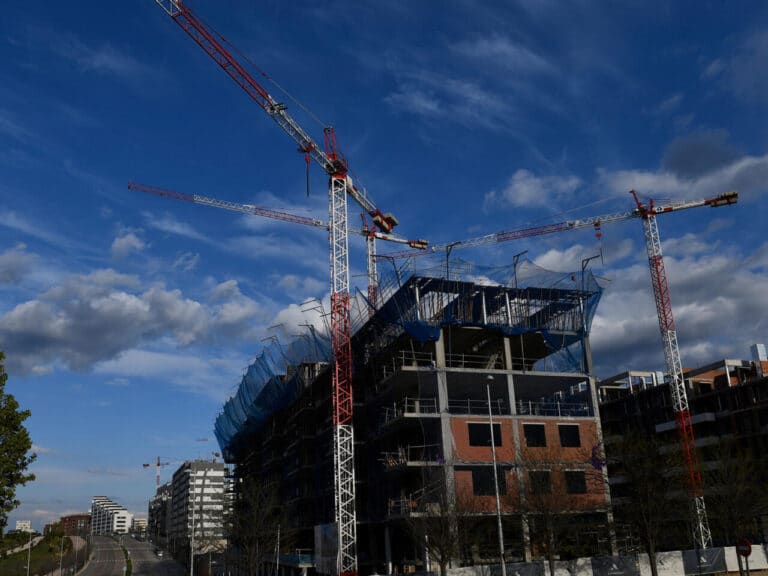
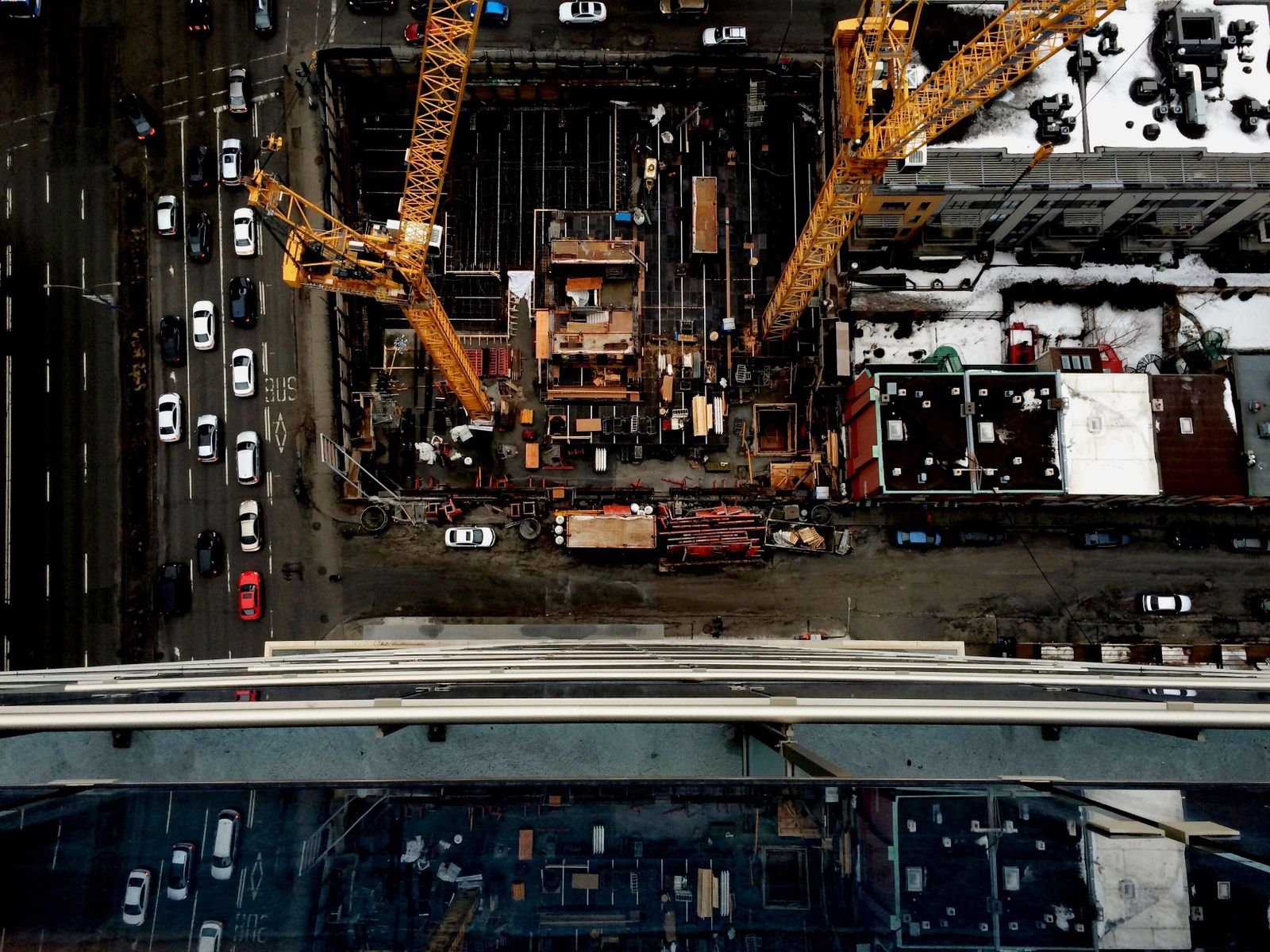
Feature photograph: Construction site and tower cranes in Montreal, Canada. Archival image from 2016, used for context rather than to document the reporting month. © Margo White / Pexels.