Casa Cielo and Cylindrical Vault Architecture

Dialogue Between Mass and Void: A Reading of the Architectural Structure
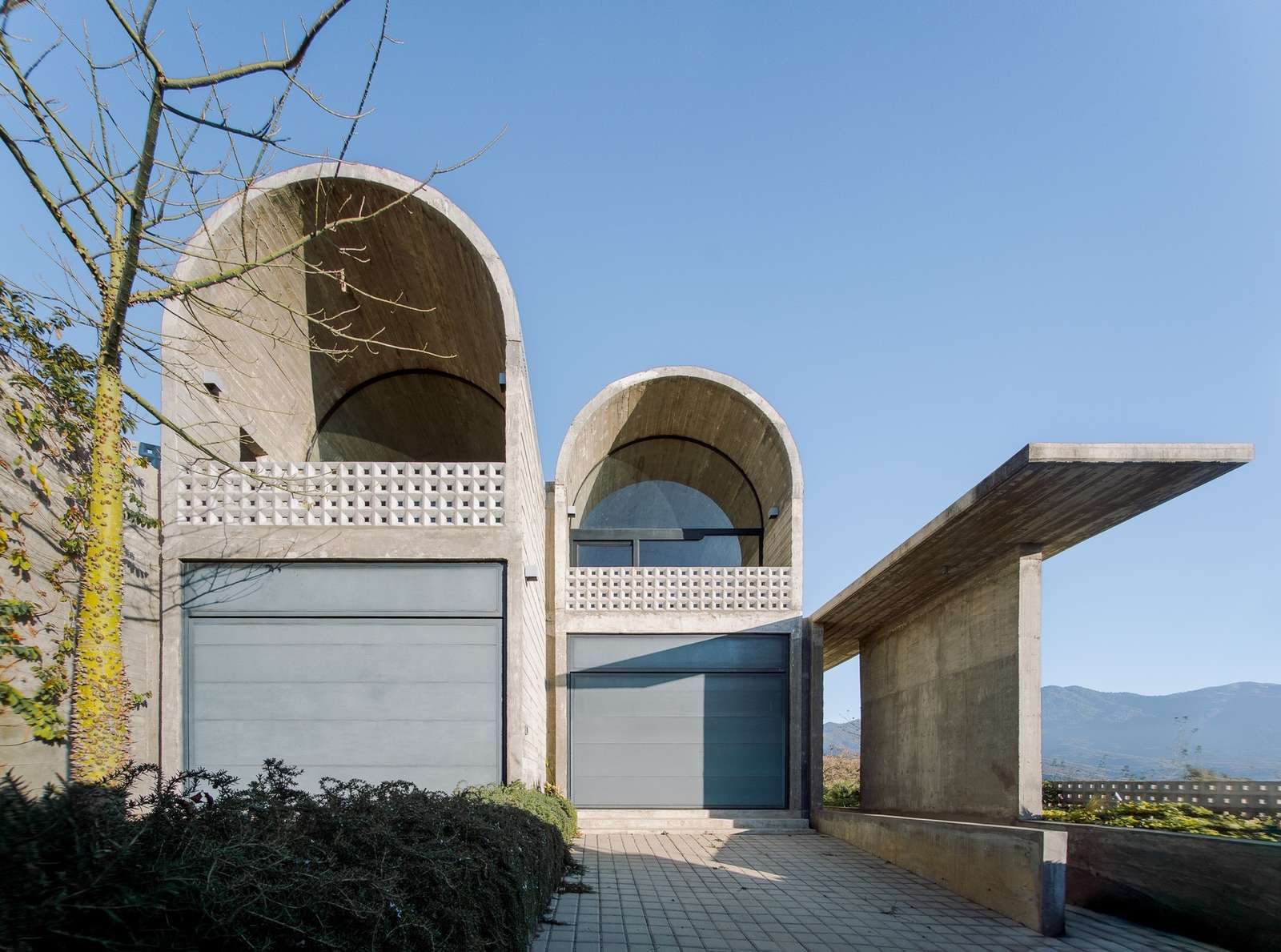
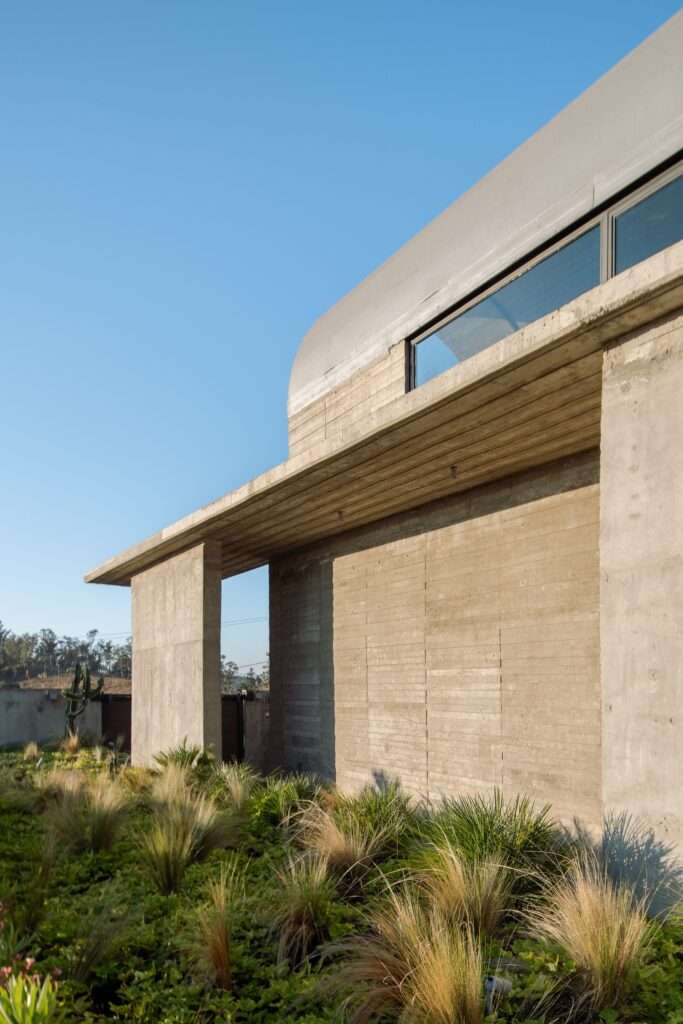
The project is founded on a rigorous structural system composed of three parallel cylindrical vaults, a tectonic strategy that reinterprets colonial and vernacular typologies through a contemporary lens of architecture. The vaults’ width, limited to the depth of a single room, establishes a clear spatial dynamic in which walls become permeable partitions that allow visual continuity between both sides, dissolving the conventional sense of enclosure. This spatial organization positions the internal courtyard as the central nucleus around which circulation unfolds, creating a visual equilibrium that directly connects the primary living spaces on the upper level with their surrounding environment, while guest rooms and the workshop remain separated on the lower level to reinforce both functional and volumetric privacy.
The Scenographic Experience and the Movement of Light and Shadow
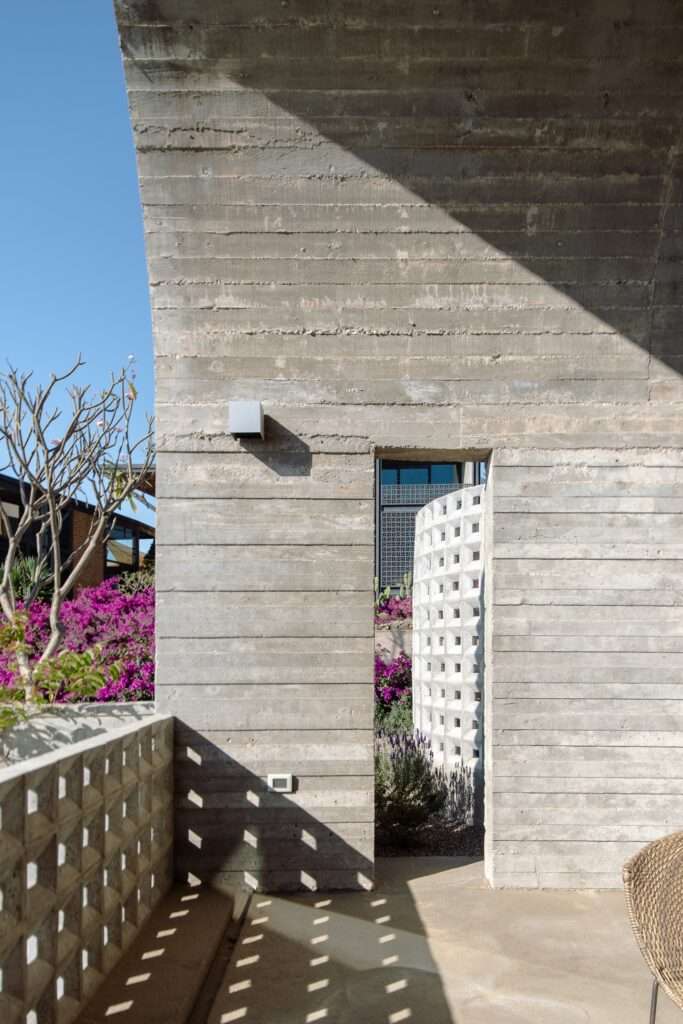
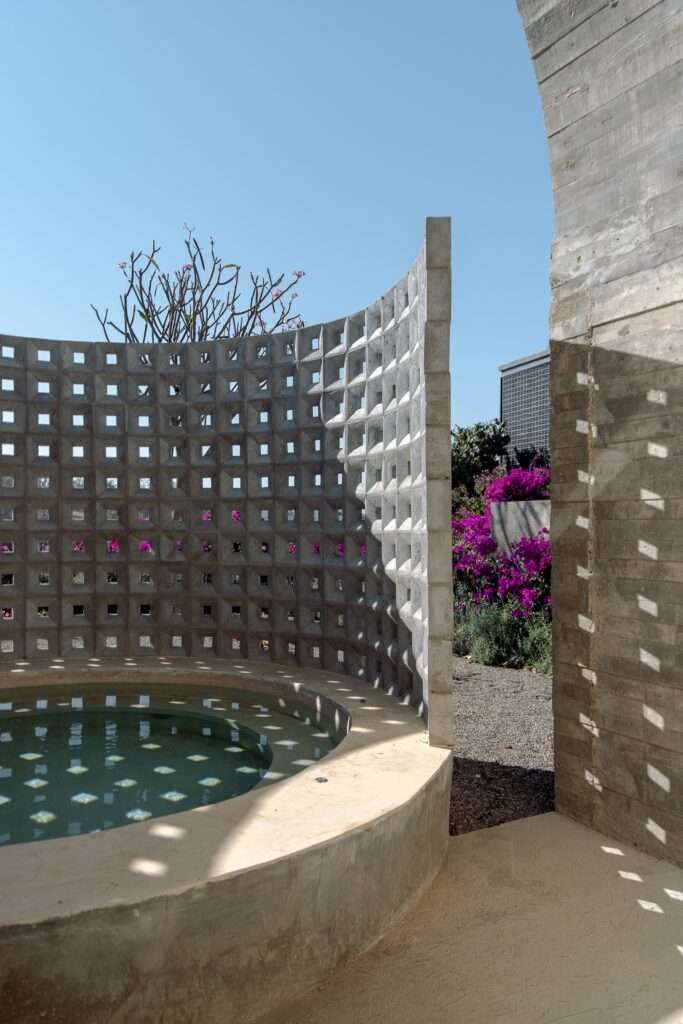
The cylindrical vaults become a scenographic instrument that captures natural light and distributes it precisely throughout both interior and exterior spaces. Within these architectural formations, users experience a continuous interplay between built mass and open void, as the curved roof surfaces help direct airflow and regulate the angles of shadow projection throughout the day as the sun’s path changes. This physical interaction between materiality and shadow imbues the space with a kinetic dimension, linking movement through the house with an immediate awareness of the surrounding climate. The result is enhanced environmental performance through continuous ventilation and uninterrupted visual connectivity with nature, reflecting ongoing developments in design and research.


Spatial Composition and Architectural Circulation
The dwelling’s functions are distributed across the three vaults according to a carefully orchestrated progression from public to private. The first vault accommodates the entrance sequence and contains the kitchen alongside service areas. The second vault acts as a transitional zone organized around an internal courtyard that separates the social realm of the dining space from the private domain of the primary bedroom. The third vault redefines the relationship with the horizon through a subtle structural curvature oriented toward the Sierra Norte mountain range, creating a narrow spatial band that links the internal core to the surrounding natural landscape. This visual alignment is reinforced by the extension of a covered terrace at the northeastern corner beyond the living room, transforming circulation within the house into a continuous exploratory journey between enclosure and openness. Such spatial strategies are frequently explored in contemporary projects and discussions surrounding cities.
Materiality of Space and Scenographic Presence
The building’s visual identity emerges from a carefully orchestrated material contrast. Cast-in-place concrete is left exposed in its raw state without applied finishes, allowing the curved vault surfaces to function as living canvases that receive shifting patterns of light and shadow while imparting a timeless and deeply rooted character to the architecture. This structural roughness is balanced by the smooth plaster finishes of the interior partitions, the warmth of locally sourced hardwood cabinetry, and the refined profiles of steel-framed glazing. This material dialogue extends beyond visual expression to support passive environmental performance through natural heating and cooling strategies, further enriched by handcrafted elements and custom-made furnishings that deepen the user’s connection to the space and establish a scenographic atmosphere that reconciles contemporary interior design with local traditions. The project also highlights the importance of building materials and their role in shaping architectural experience.

✦ ArchUp Editorial Insight
The project embodies a clear tectonic transformation in which traditional regional typologies are adapted to create a highly localized residential fortress. Through the use of raw construction materials alongside historically rooted spatial models such as the monastic courtyard, the architects seek to achieve complete environmental autonomy. This structural configuration isolates the dwelling from the fluctuations and accelerating pressures of contemporary market forces, favoring tectonic permanence and direct passive climatic control over strategies of rapid urban integration. Similar approaches can be found across notable buildings documented within the broader architectural archive.
Yet this pronounced physical self-sufficiency also reveals a romantic blind spot frequently associated with contemporary elite architectural discourse. While the design celebrates craftsmanship and exposed concrete surfaces, it relies entirely upon exceptional financial resources to detach itself from urban infrastructure networks. As a result, this spatial strategy remains highly specialized and difficult to replicate at scale within collective housing contexts, transforming radical environmental sustainability into a luxury commodity rather than framing it as a comprehensive and accessible urban solution, a topic frequently examined in architectural discussion and architectural news.