Casa Plateau: Architectural Volumes in Dialogue with Landscape

Organizing Architectural Volumes within the Site
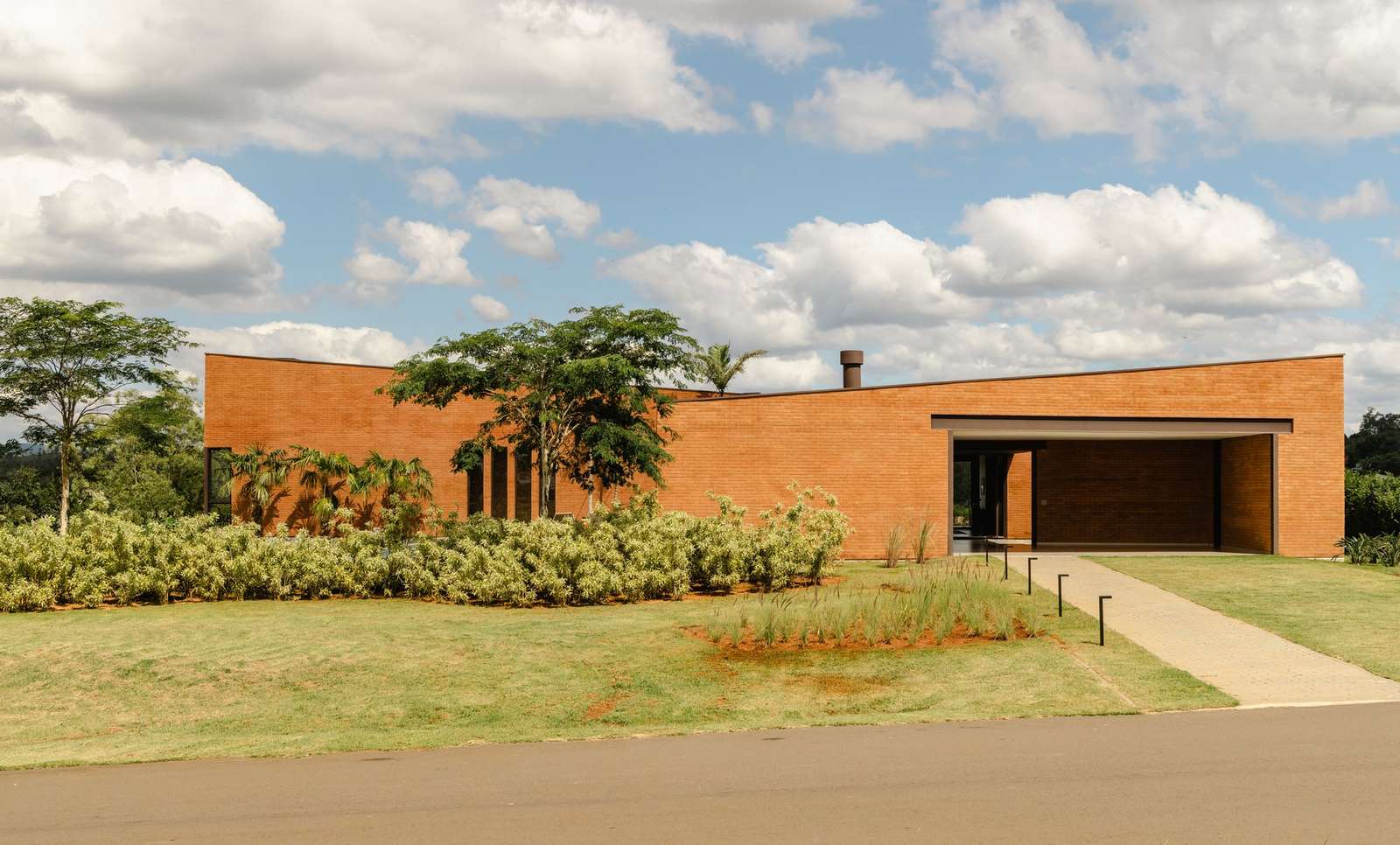
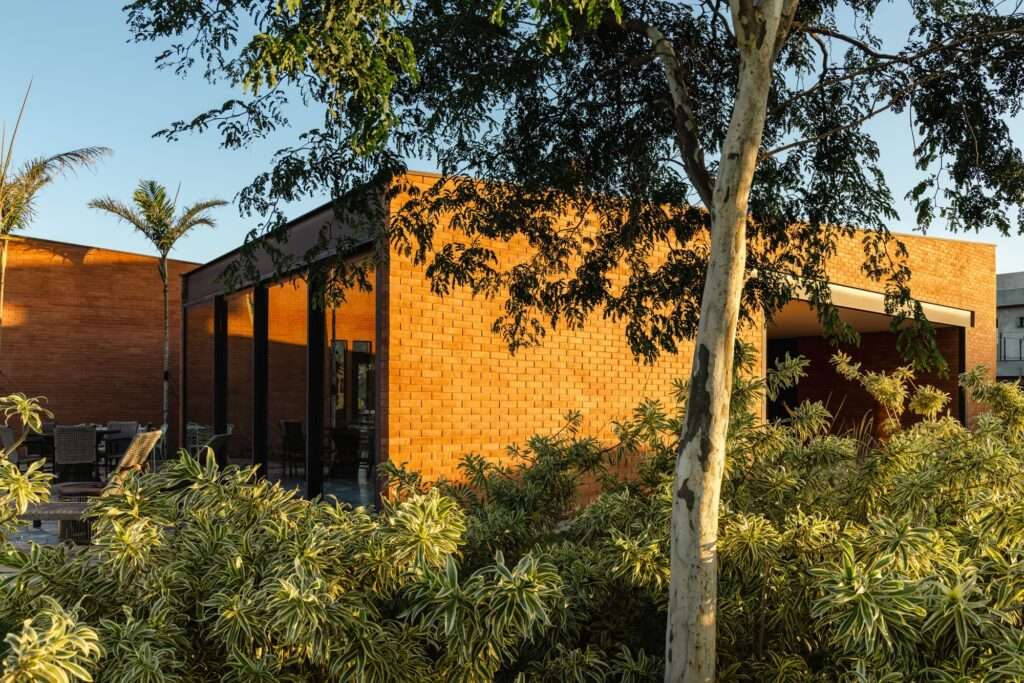
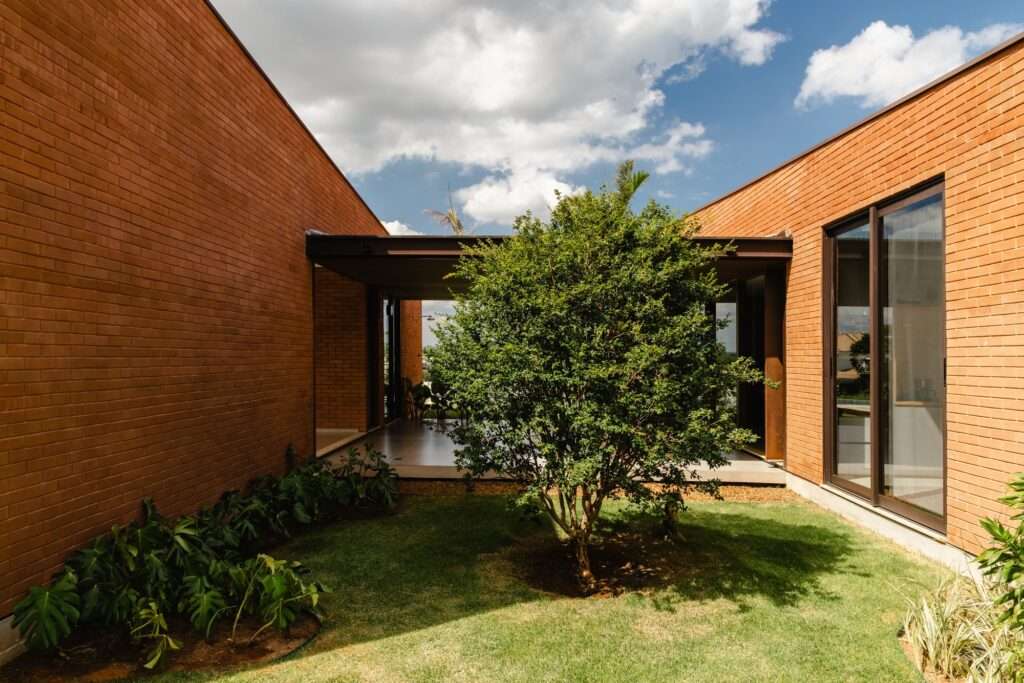
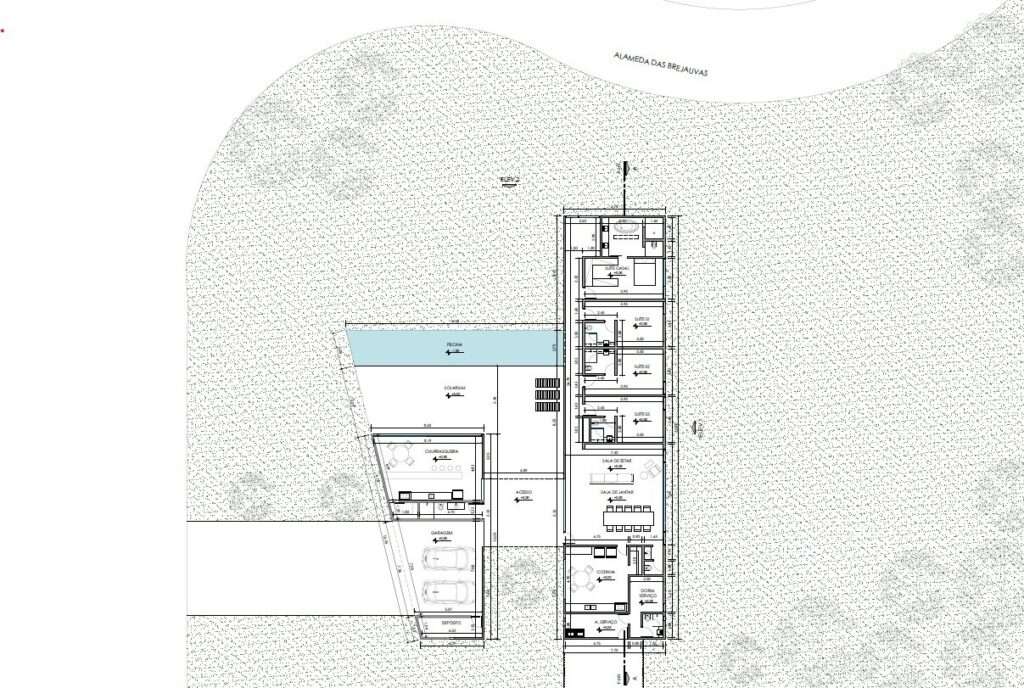
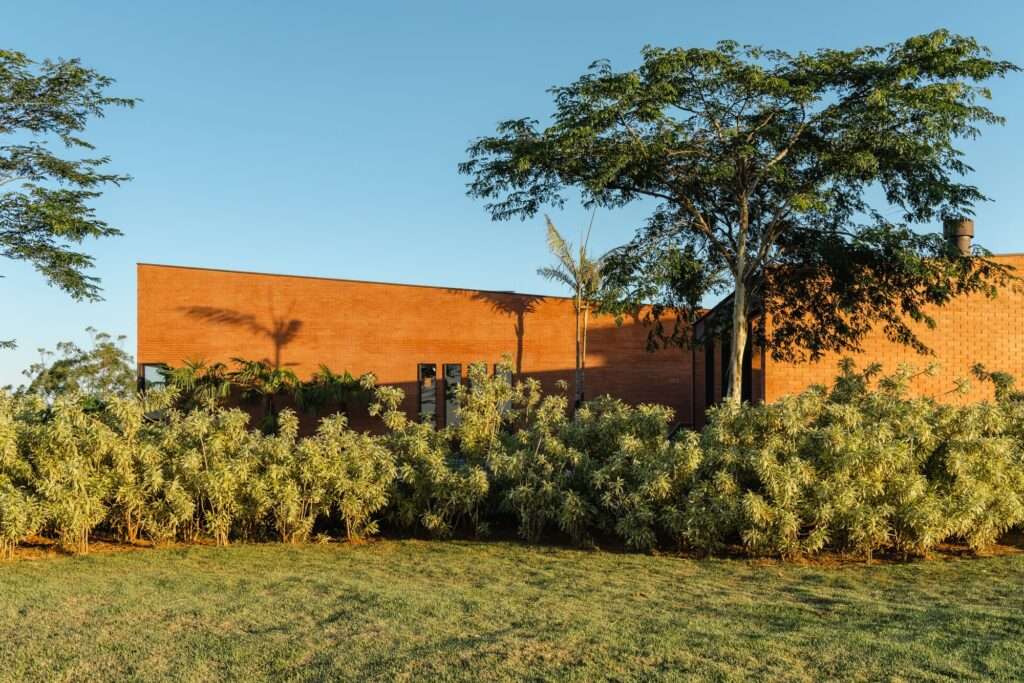
The house is located on a plateau elevated above street level, which contributed to shaping the distribution of the architectural volumes within the site. The project consists of two parallel masses connected by a canopy, with functions distributed in a way that achieves separation between different uses.
Internal Functional Distribution
The main volume contains the bedrooms and the kitchen, in addition to a terrace oriented toward the surrounding landscape to take advantage of the open views. In contrast, the smaller volume closer to the street contains the garage and the barbecue area, which is directly connected to the swimming pool.
The Relationship Between the Building and Its Surroundings
The distribution of the volumes reflects how the elevated nature of the site is employed to organize movement and visual perspectives. The variation in the placement of functions between the two masses also contributes to creating a clear gradient between private spaces and open-use areas.
The Relationship Between Roofs and Open Spaces
The reflection of the sloping roofs between the different wings contributes to establishing a reciprocal visual relationship between the architectural volumes. This configuration also generates a set of internal courtyards and varied views, enhancing the design of the project and its connection with the surrounding natural landscape.
| Field | Details |
|---|---|
| Architects | Sergio Sampaio Archi + Tectônica |
| Area | 450 m² |
| Year | 2025 |
| Lead Architect | Sergio Sampaio |
| Category | Residential Architecture, Houses |
| Coordination | Renata Hirayama |
| Project Team | Piero Artuzo |
| Engineering & Consulting (Civil) | JHMA Construções |
| City | Itu |
| Country | Brazil |
Structural System and Construction Characteristics
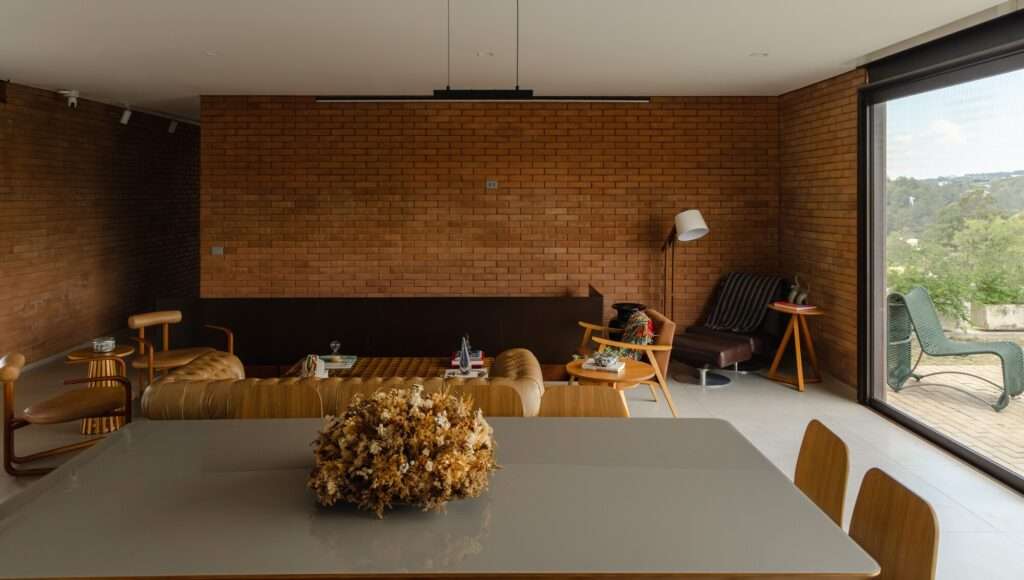
The Construction system of the project relies on a structural system using soil-cement bricks, which provides modular units that facilitate construction and execution. This system also contributes to achieving structural durability while reducing the need for demolition work related to service and pipe installations.
Reduction of Material Consumption
The system used helps reduce the consumption of certain construction materials, such as mortar, cement, and reinforcement steel, due to the nature of the modular joints and their assembly mechanism within the project.
✦ ArchUp Editorial Insight
The project emerges as a material response to the logic of land value on a plateau and to programmatic separation requirements, rather than as a purely formal design decision. Its division into parallel volumes connected by a canopy reflects an organizational logic that separates residential, service, and leisure functions according to gradients of privacy and movement efficiency under access constraints. The displacement of the garage and barbecue area toward the street frontage redistributes movement loads away from the main volume, aligning with a logic of risk deconstruction and operational segmentation. The sloping roofs function as a spatial coordination mechanism that generates courtyards acting as environmental buffers and visual corridors. The adoption of soil-cement brick reflects procurement standardization and reduced labor costs, while the integration of service routes limits secondary cutting works, indicating an underlying economic pressure that governs material decisions more than any expressive intent of the project.