China to Accelerate Urban Renewal and Stabilize Real Estate Market

China will accelerate urban renewal and efforts to achieve real estate market stability in 2026 with the launch of the 2026-2030 Five-Year Plan, according to a statement issued after the Housing Policy Conference published on Tuesday.
Five-Year Plan Priorities
The conference held in Beijing on December 22 and 23 outlined the main housing development tasks for the new plan and identified next year as a critical starting point for policy implementation. The focus will be on effective urban renewal alongside efforts to maintain real estate market stability, mitigate risks, and improve the supply of affordable housing.
Challenges in the Real Estate Sector
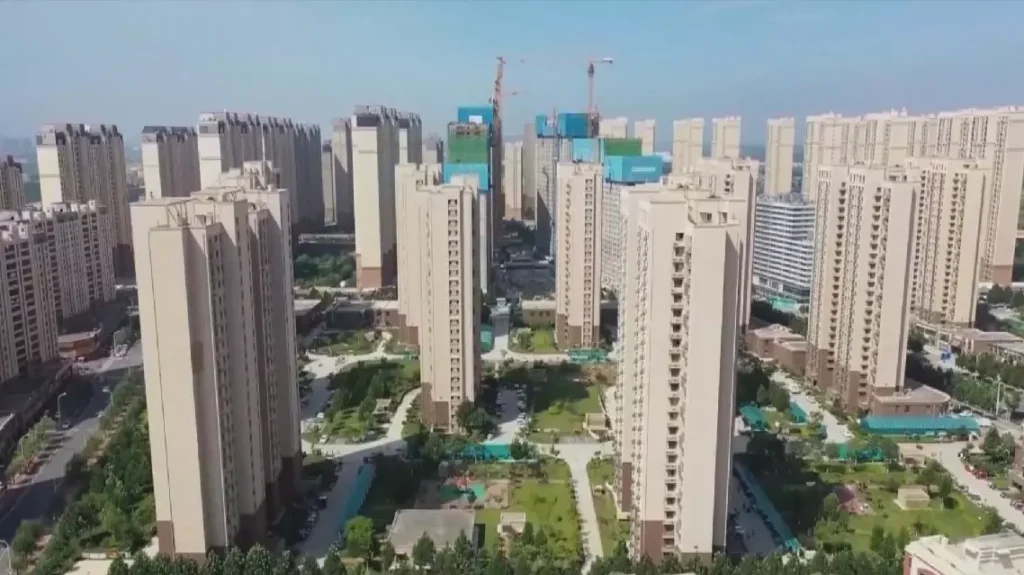
The real estate sector in China has experienced a sustained slowdown since mid-2021 despite repeated government pledges to support it, with weak home sales and declining prices negatively affecting consumer confidence and household wealth, as around 70 percent of family wealth is tied to real estate. Developers face liquidity pressures, and China Vanke recently received approval to extend the grace period for a two-billion-yuan bond due on December 15.
Policies to Support Market Stability
Officials noted that policies will be tailored to local conditions to manage supply and reduce inventory, including urban renewal projects and support for local governments to purchase existing homes for use as affordable housing while encouraging the sale of new ready-to-move-in units so buyers can inspect what they purchase.
Support for Distressed Projects and Affordable Housing
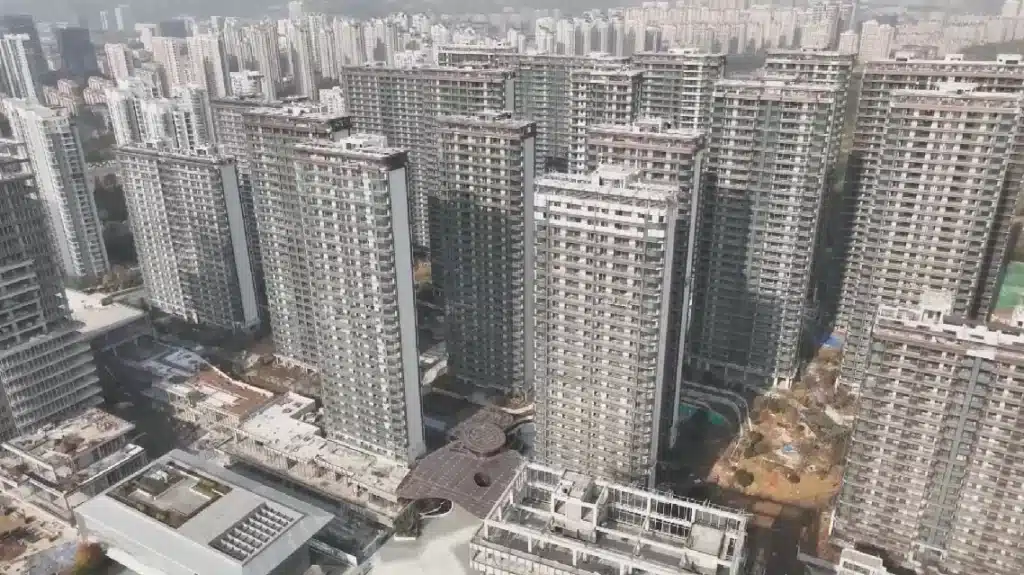
The conference pledged to strengthen the White List for Projects, a government-backed program that nominates distressed housing projects for expedited banking finance, and urged local governments to fully exercise their discretion to adjust and improve real estate policies. Regarding risk management, officials will follow a market-oriented and rule-of-law approach to address developer debts, enhance oversight of pre-sale funds, protect the rights of homebuyers, and provide housing support for low-income urban families with targeted measures for vulnerable groups including young people.
✦ ArchUp Editorial Insight
China’s 2026–2030 Five-Year Plan frames urban renewal and real estate stabilization as intertwined priorities, reflecting a Contemporary urban governance model that merges regulatory oversight with strategic Material Expression across cityscapes. The plan emphasizes the recalibration of supply, inventory reduction, and the promotion of affordable housing, seeking to enhance Spatial Dynamics within dense urban fabrics while mitigating systemic market risks. However, questions of functional resilience emerge as developers navigate liquidity pressures, declining home sales, and regulatory compliance, raising concerns about the adaptability of large-scale renewal projects to local socio-economic contexts. Ultimately, by integrating targeted interventions, distressed project support, and market-oriented governance, the plan signals an architectural ambition to balance urban growth, social equity, and sustainable real estate development in China’s rapidly evolving cities.