Cliff Palace – The Ancient Architecture of the Sky

Overview
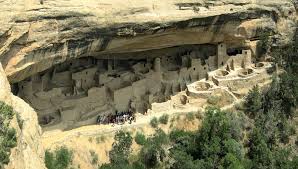
Perched high in the cliffs of Mesa Verde, Colorado, the Cliff Palace stands as one of the most extraordinary achievements of the Ancestral Puebloans. Constructed between 1190 and 1280 AD, this intricate settlement of more than 150 rooms and 23 kivas (ceremonial chambers) was ingeniously carved into a massive sandstone alcove. The design reflects a perfect symbiosis between human ingenuity and the rugged natural landscape, forming a living architecture suspended between earth and sky.
Architectural Features
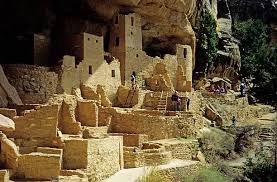
The Cliff Palace embodies a rare example of integrated cliff architecture, where every wall, beam, and passage follows the natural curvature of the cave. Its builders employed sandstone blocks, wooden beams, and adobe mortar—materials fully derived from the surrounding environment. The layout reveals a sophisticated understanding of spatial hierarchy: communal spaces occupy the lower terraces, while sacred kivas are embedded deeper within the rock. This spatial logic demonstrates a profound respect for environmental adaptation long before sustainability became a concept.
Function and Symbolism
Beyond its physical form, Cliff Palace holds deep cultural meaning. The vertical layering of dwellings suggests both a social and spiritual order, echoing the Pueblo belief in the layered structure of the cosmos. The site’s orientation ensures seasonal sunlight and protection from harsh winds, illustrating architectural foresight balanced with spiritual intention.

Preservation and Legacy
Today, Cliff Palace is a UNESCO World Heritage Site and remains a powerful testament to Indigenous architecture. Despite centuries of erosion, its design continues to inspire modern architects seeking harmony between architecture and terrain. It represents a legacy where nature was not conquered but collaborated with — a timeless lesson in adaptive design.

✦ ArchUp Editorial Insight
The Cliff Palace represents one of the earliest known examples of architecture fully synchronized with geology. Its builders achieved an equilibrium between environmental necessity and cultural symbolism, using locally sourced materials to create a self-regulating microclimate. The stepped arrangement of spaces suggests an architectural dialogue between protection and openness, while its cliff integration provokes reflection on how modern design might reimagine verticality within ecological limits. Though fragile, its enduring geometry continues to challenge contemporary architects to think beyond ground-based design—toward architecture that listens to its landscape.