

Colonial Baroque Churches of Lima and Quito A Fusion of Art, Faith, and Identity

Introduction
In South America, particularly in Lima, the capital of Peru, and Quito, the capital of Ecuador, stand monumental churches dating back to the colonial era. These aren’t just places of worship—they’re living works of art that reveal a rare blend of European Baroque architecture and deeply rooted local craftsmanship. Each stone and carving tells a story of cultural exchange, adaptation, and spiritual transformation.

How Baroque Reached the Andes
During the 17th century, European Baroque architecture made its way to Spanish colonies in the Americas. But it didn’t remain purely European for long. In Lima and Quito, the style was reimagined through the hands of indigenous artisans, creating what is now known as the Andean Baroque—a unique regional take that married ornate European detail with native symbolism and materials, essentially forming what we now identify as Baroque churches in these regions.
| City | Time Period | Baroque Style | Distinct Local Elements |
|---|---|---|---|
| Quito | 1600s–1700s | Andean Baroque | Dark-skinned faces, intricate carvings |
| Lima | 1600s–1700s | Spanish Classical | Lavish gold leaf, monumental columns |
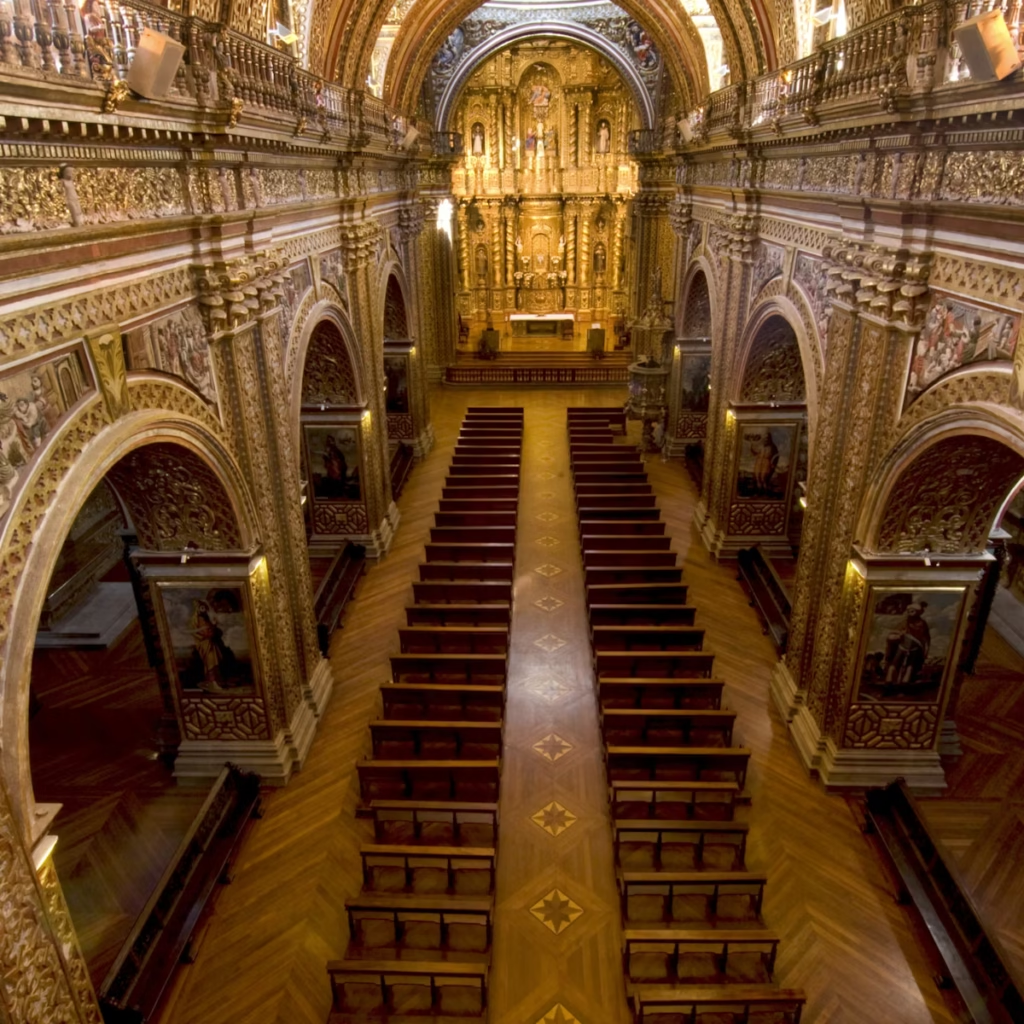
San Francisco Church in Quito: Where Gold Meets Identity
San Francisco Church is one of Ecuador’s oldest religious landmarks, and it’s a masterpiece in every sense. The ceilings are covered in gold leaf, while detailed woodwork reveals the hand of master local carvers. But more than just visual richness, the church represents a deep cultural tension—a fusion of imposed Christian beliefs and indigenous artistic voices. Every detail echoes a story of adaptation, faith, and resilience, quintessential to Baroque churches of the region.

Lima Cathedral: A Symbol of Imperial Power in Architectural Form
Dominating the Plaza de Armas in central Lima, this cathedral reflects Spanish imperial authority, yet its interior reveals something more intricate. While its exterior remains relatively sober and classical, its interiors dazzle with gold-covered altars and carvings, revealing the expertise of local artisans. It’s a blend of formality and flourish—a statement of dominance softened by local expression, a hallmark of Baroque churches in Lima.
Quick Comparison: Lima vs. Quito
| Element | Quito | Lima |
|---|---|---|
| Artistic Style | Baroque infused with cultural motifs | Formal, classical Spanish Baroque |
| Materials Used | Local wood, gypsum, organic paints | Imported wood, gold, marble |
| Symbolic Message | Faith with a local soul | Power and grandeur of the Church |
Relevance Today
More than three centuries later, these churches continue to draw scholars, artists, architects, and tourists. They are not only religious landmarks but windows into a past defined by cultural collision and creative reinvention. These Baroque churches are now studied globally as examples of how architecture can embody conflict, adaptation, and harmony all at once.
Conclusion
The colonial Baroque churches of Lima and Quito are more than preserved relics—they are dynamic storytellers of a unique chapter in Latin American history. Their elaborate façades and symbolic details remind us that architecture can bridge cultures, reflect power, and celebrate the complexity of identity.
✦ ArchUp Editorial Insight
This article explores the colonial Baroque churches of Lima and Quito as embodiments of hybrid architectural identities shaped by Spanish influence and indigenous craftsmanship. The visuals highlight intricate gold leaf detailing, carved wood elements, and contrasting material palettes, offering a vivid sense of sacred space. However, the article stops short of situating these churches within a broader conversation about postcolonial heritage or contemporary preservation. Could a deeper contextual framing enhance its academic value? Still, the focus on material expression and cultural layering provides a meaningful lens into Latin America’s architectural legacy.
Explore the Latest Architecture Exhibitions & Conferences
ArchUp offers daily updates on top global architectural exhibitions, design conferences, and professional art and design forums.
Follow key architecture competitions, check official results, and stay informed through the latest architectural news worldwide.
ArchUp is your encyclopaedic hub for discovering events and design-driven opportunities across the globe.


