Contemporary Architectural Photography: Between Abstract Aesthetics and Living Reality

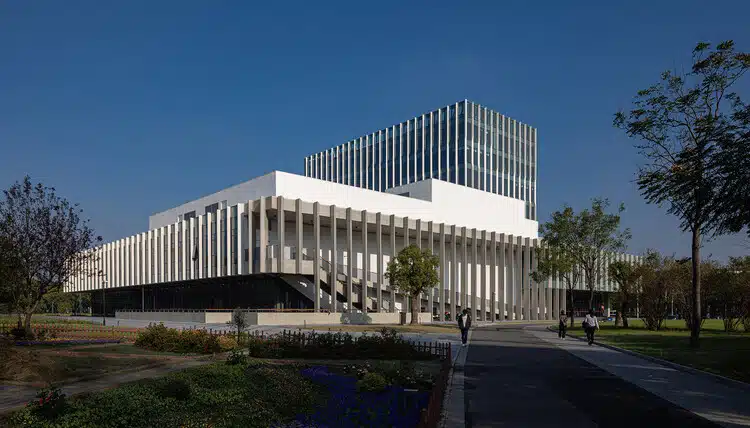
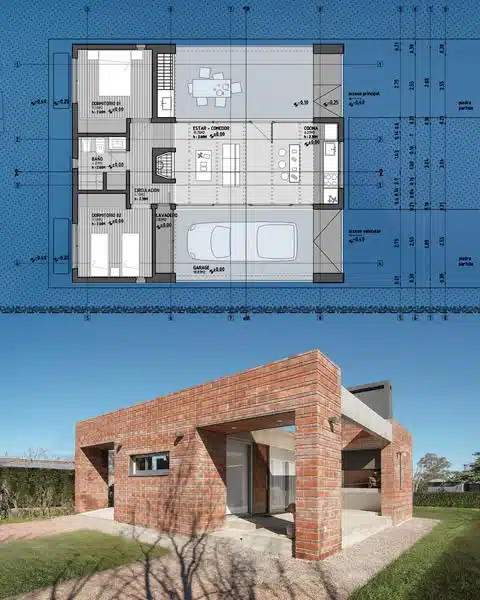
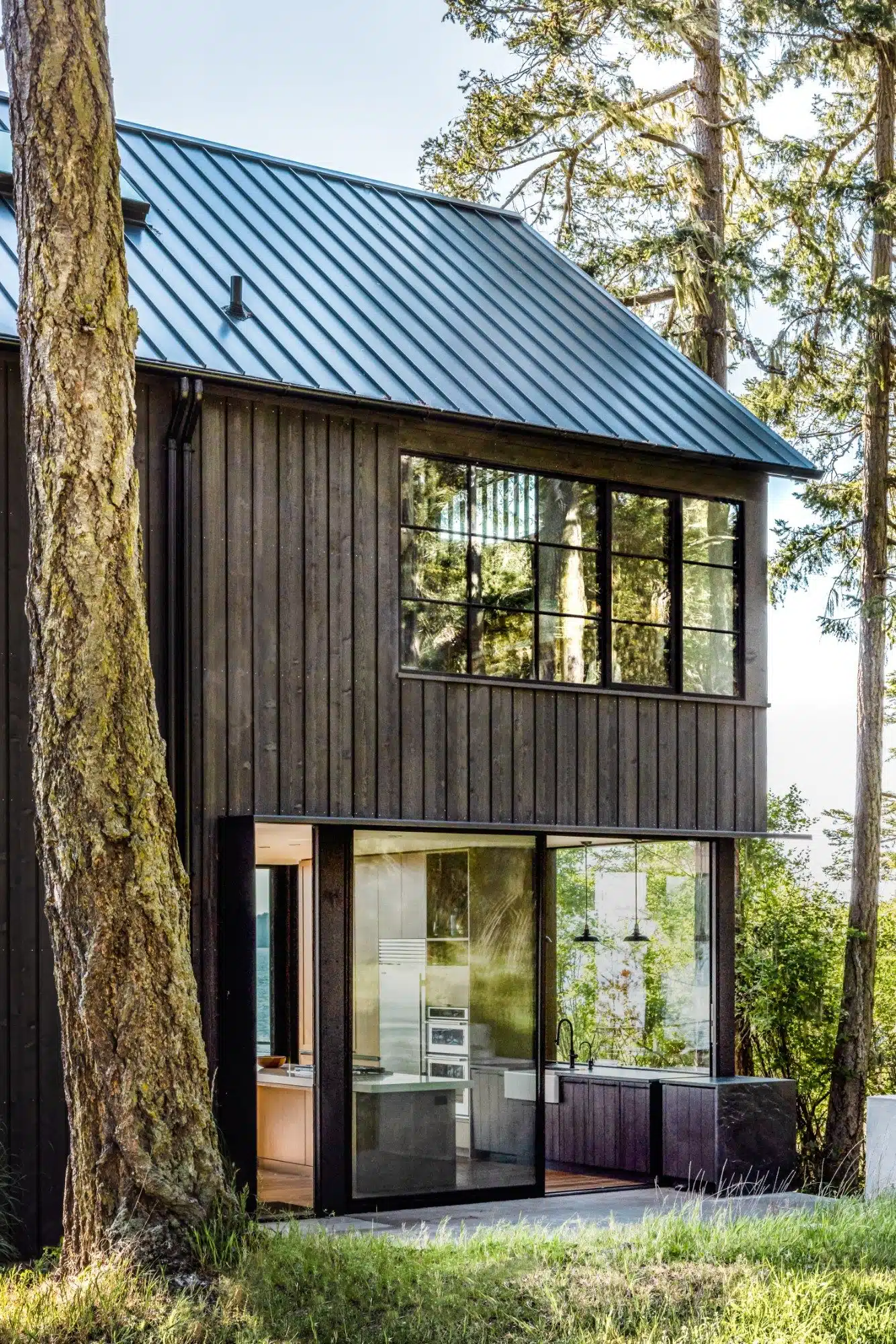
Modern architectural photography often adheres to a rigid, commercial logic. Most images are meticulously staged, perfectly framed, and present buildings as pristine objects untouched by human presence, suspended in ideal lighting, and stripped of daily use. These photos are visually stunning but increasingly predictable. They create a visual illusion that portrays architecture as static decor rather than dynamic environments shaped by their inhabitants. Ultimately, they obscure the truth that a building’s quality is measured by the experience of its users, not just its abstract beauty.
Philippe Sarfati: Capturing Architecture as a Living Process
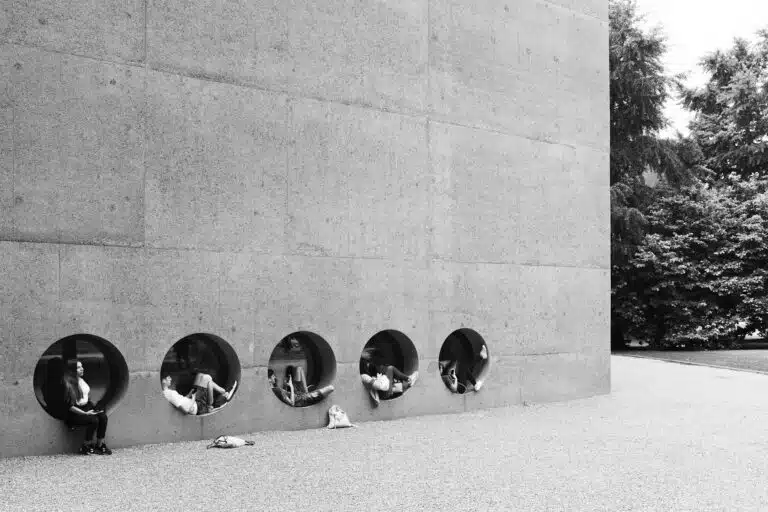
Against this backdrop, professional photographer Philippe Sarfati’s personal project, “Territoires” (“Territories”), emerges as a quiet yet profound visual protest. Trained as an architect, Sarfati captures buildings in their natural state unposed, unpolished, and alive. His photos reveal architecture in use: people passing through, shifting shadows, and spaces transformed by daily rituals. Here, humans aren’t merely props to “animate” the scene; they guide the photographer’s lens and, in turn, our gaze as viewers.
“These images weren’t produced for clients, but for a single purpose: to explore the relationship between architecture and photography.” Philippe Sarfati.

The Problem with Traditional Architectural Photography: Precision vs. Imagination
Sarfati argues that architectural photography has become confined by commercial expectations. Instead of provoking questions, it serves to “prove” a design’s success like a passport that confirms a building’s identity without revealing its character. The resulting images are technically flawless but lack imagination. Worse, they perpetuate a visual culture that’s cohesive yet hollow: beautiful buildings that feel silent.

“Territoires”: A Project About Real Architecture
“Territoires” isn’t just a photo series; it’s a living archive developed over six years across 14 countries and 100+ buildings. Its core idea? Documenting architecture after completion, as it interacts with people and time. Sarfati’s shots capture subtle gestures someone waiting, others moving forming what he calls “contextual portraiture,” where architecture sets the stage, but people tell the story.

A Lesson for Architects and Photographers: Look Where Others Don’t
“Territoires” doesn’t replace one aesthetic with another. Instead, it reminds us that architectural photography can be a tool for reflection. Here, the camera doesn’t “freeze” a building but captures it breathing. The takeaway? Real architecture isn’t found in symmetry or clean lines but in the corners people choose to sit in or the paths they wear down by walking. These images stay with us because despite their imperfections they feel true.

✦ ArchUp Editorial Insight
Philippe Sarfati’s “Territoires” challenges the clichés of architectural photography by framing buildings as evolving entities shaped by human interaction. His work subtly critiques the industry’s “perfect” images, though it occasionally risks prioritizing raw authenticity over compositional clarity. Yet its power lies in redefining architectural beauty not as a static spectacle but as a lived process. That, in itself, is a triumph worth celebrating.
Explore the Latest Architecture Exhibitions & Conferences
ArchUp offers daily updates on top global architectural exhibitions, design conferences, and professional art and design forums.
Follow key architecture competitions, check official results, and stay informed through the latest architectural newsworldwide.