Cultural and Educational Architecture: Exploring the Design of Princeton University Art Museum


The integration of culture and education in architectural design has become an essential focus in modern times. A perfect example of this blend is the new Princeton University Art Museum, designed by renowned architect David Adjaye. This building goes beyond being just an educational facility; it is a cultural landmark, embodying a design that expands educational spaces and enhances cultural interaction.
Modern Museum Design
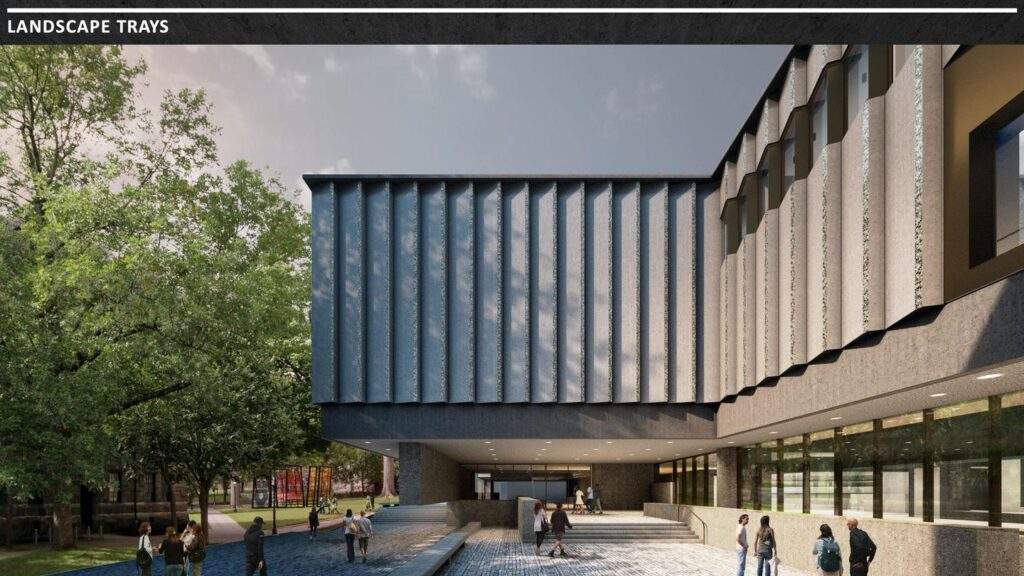
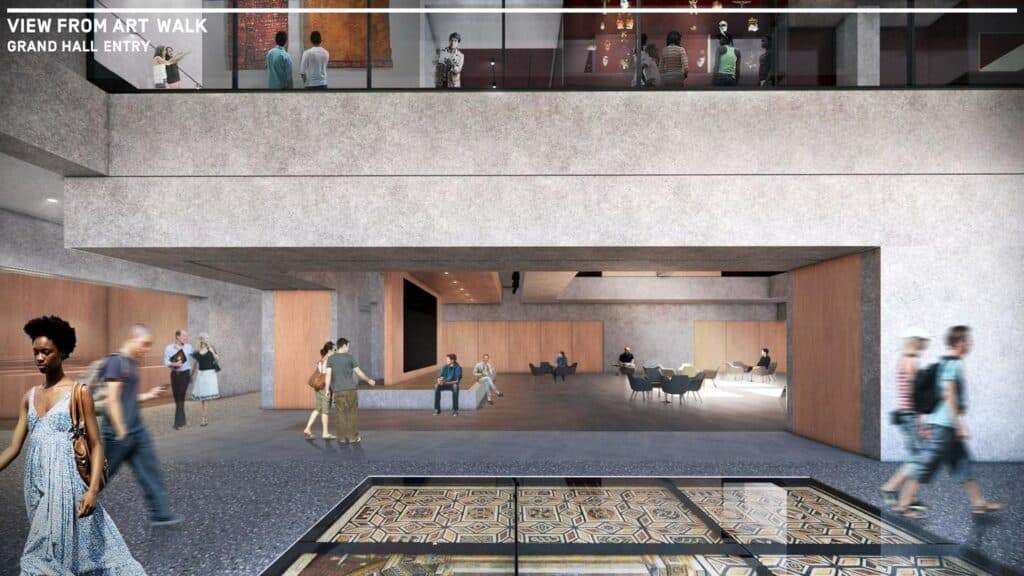
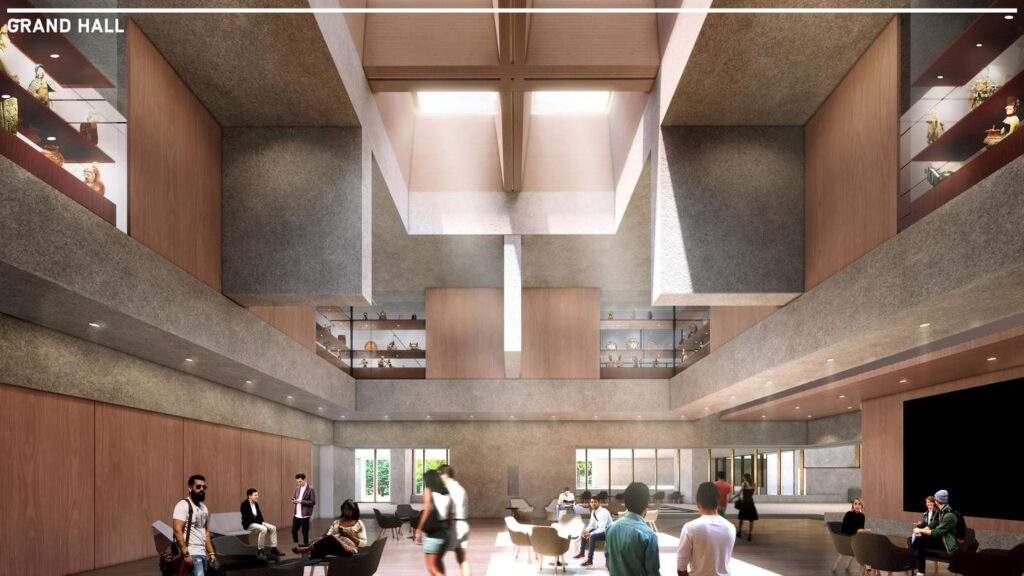
The design of the Princeton University Art Museum exemplifies a contemporary approach to architecture that redefines traditional educational spaces. The museum’s layout features open, flexible areas that encourage visitors to engage with the art and culture within. The minimalist and modern design complements the educational and cultural values of the institution, while simultaneously creating a visually stunning environment.
Educational and Cultural Interaction
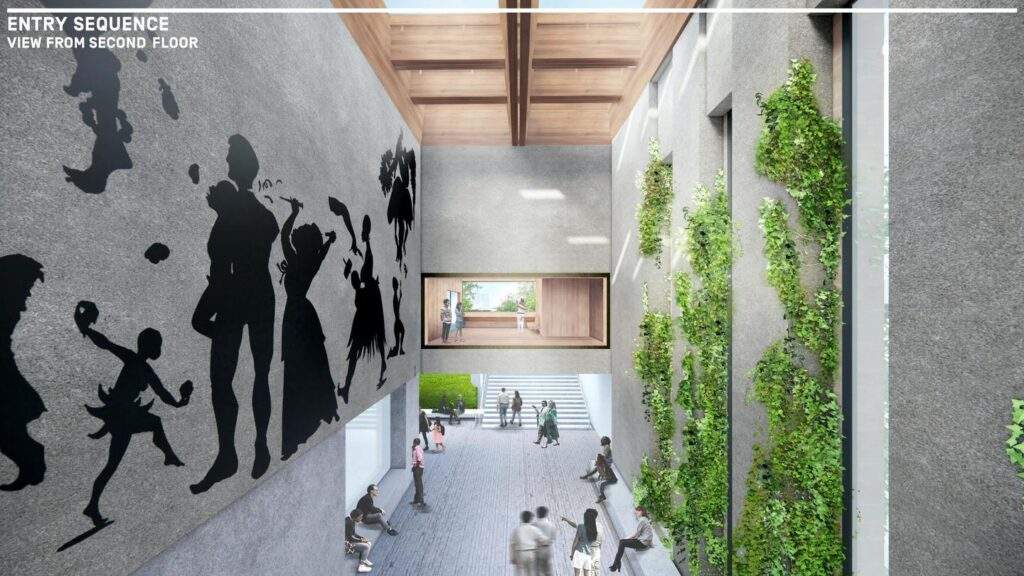
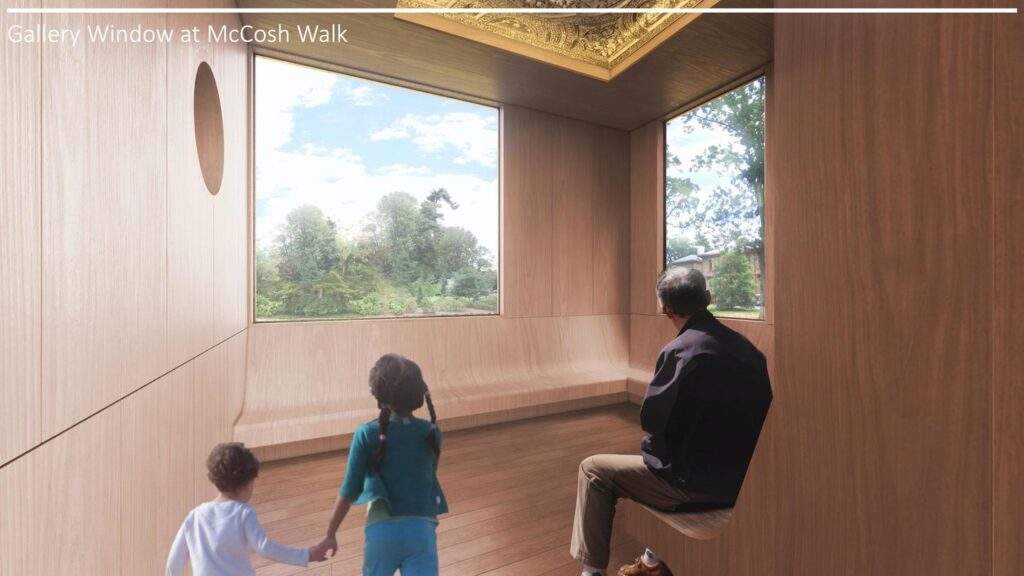
By integrating cultural elements into its design, the Princeton University Art Museum facilitates an interactive educational experience. It serves not only as a space for art exhibitions but also as a place for learning and exchanging ideas. This interaction between culture and education reflects a shift toward more dynamic, engaging architectural solutions, especially in academic settings.
Challenging Traditional Museum Structures
David Adjaye’s innovative design for the museum challenges conventional notions of museum spaces. Unlike traditional museum layouts that often feel rigid and static, this project breaks free from those norms. The open, interconnected spaces within the museum foster greater interaction between visitors and exhibits, creating a more immersive cultural and educational experience.
Achieving Educational Goals through Architecture
The architecture of the Princeton University Art Museum plays a vital role in achieving its educational goals. Through the thoughtful design of spaces that encourage movement and interaction, the museum enhances the educational experience, offering visitors a deeper connection to the exhibits and to the broader cultural context. The building serves as an architectural model for how educational institutions can integrate culture and learning in a cohesive manner.

Photos: Princeton University
Finally, find out more on ArchUp: