Expansion Joint Foam Board

Overview
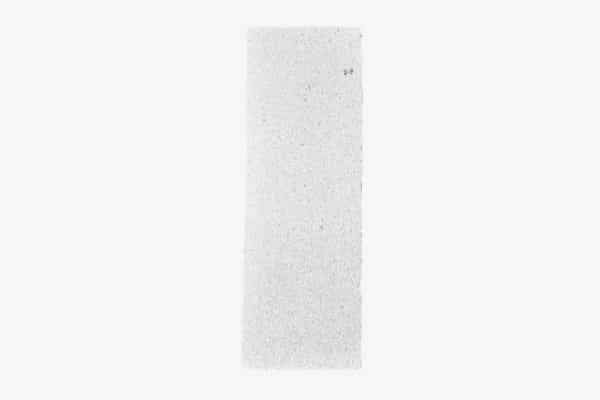
Expansion joint foam board is a lightweight, compressible material used in construction to absorb thermal expansion and contraction in concrete structures. It is commonly installed between concrete slabs, walls, pavements, and other structural elements to prevent cracking and damage caused by movement or shifting. The foam is made of closed-cell polyethylene or similar polymers and is resistant to water, chemicals, and aging.
Main Uses
- Installed between concrete slabs to absorb expansion and contraction
- Used in sidewalks, driveways, foundations, and retaining walls
- Provides a flexible buffer between two rigid structures
- Prevents stress cracking and prolongs the lifespan of concrete installations
- Ideal for horizontal and vertical applications in both interior and exterior environments
Technical Specifications
| Property | Specification |
|---|---|
| Material | Closed-cell polyethylene foam |
| Thickness Range | 5 mm to 25 mm |
| Standard Widths | 10 cm, 15 cm, 20 cm |
| Standard Length | 2 meters |
| Density | 30–35 kg/m³ |
| Water Absorption | <1% |
| Compression Recovery | >98% |
| Temperature Resistance | -40°C to +90°C |
| Chemical Resistance | Excellent (alkalis, acids, salts) |
Advantages
- Highly flexible and durable
- Excellent resistance to weathering and UV
- Non-toxic and environmentally friendly
- Easy to cut and install
- Compatible with sealants and concrete
Installation Tips
- Ensure surfaces are clean and dry before application
- Position the foam between structural joints
- Secure in place using adhesives if needed
- For added protection, apply a sealant over the exposed joint