The Fibonacci Sequence and Its Relationship to Architecture

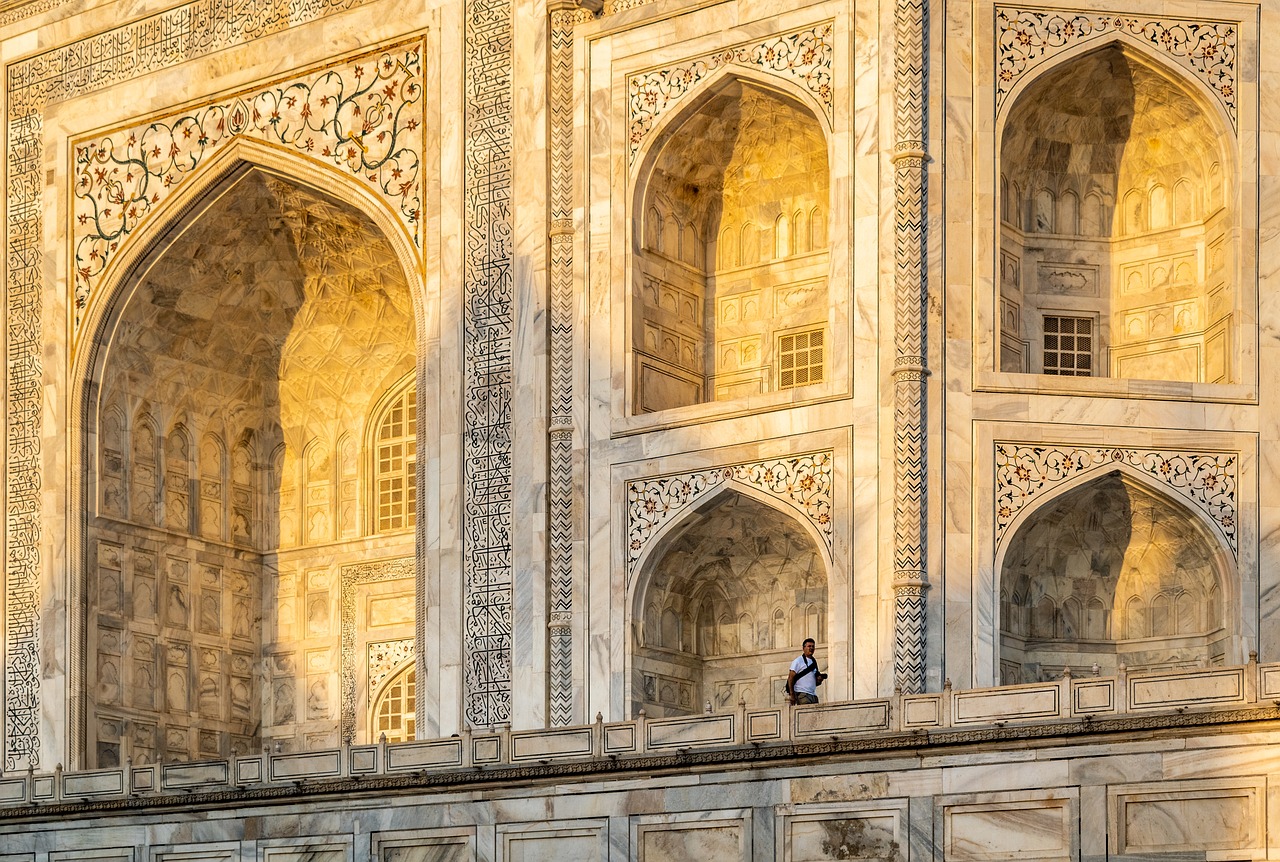
The Fibonacci sequence is one of the most well-known mathematical series in history, often described as “nature’s secret code.” This phenomenon of Fibonacci sequence architecture has fascinated scientists, artists, and architects for centuries due to its appearance in natural patterns and its relationship with the golden ratio (approximately 1.618). In architecture, this sequence has been linked to iconic structures like the Parthenon, Egyptian pyramids, and the Taj Mahal.
This article explores the Fibonacci sequence, how it relates to the golden ratio, and its historical and contemporary applications in architectural design. We will also examine whether this mathematical concept truly contributes to aesthetic beauty or if its influence has been overstated over time.

What Is the Fibonacci Sequence?
The Fibonacci sequence is a series of numbers where each number is the sum of the two preceding ones:
0, 1, 1, 2, 3, 5, 8, 13, 21, 34, 55, 89, 144…
One of the most fascinating properties of this sequence is that when you divide any number in the series by the previous one, the result approaches the golden ratio (φ ≈ 1.618) . As the numbers increase, the quotient gets closer to this value.
| Numbers | Division | Result |
|---|---|---|
| 3 ÷ 2 | = | 1.5 |
| 5 ÷ 3 | = | 1.666… |
| 13 ÷ 8 | = | 1.625 |
| 21 ÷ 13 | = | 1.615… |
This convergence toward the golden ratio is what makes the Fibonacci sequence so significant in art, nature, and architecture.

The Golden Ratio in Architecture: Fact or Interpretation?
Many famous buildings are believed to incorporate the golden ratio in their design, including:
- The Parthenon (Greece): Some analyses suggest that the proportions of its façade align with the golden ratio.
- Egyptian Pyramids: Researchers have noted that some internal chambers may reflect golden proportions.
- Taj Mahal (India): Certain theorists link its symmetry and layout to the golden ratio.
However, there is ongoing debate about whether these designs were intentionally based on the golden ratio or if modern interpretations are retroactively assigning meaning.
According to Stanford University, “While the golden ratio appears in some architectural works, there is little evidence to confirm it was an intentional design principle in ancient times.”
Fibonacci in Nature and the Human Body
The Fibonacci sequence appears throughout nature—in sunflower spirals, nautilus shells, and even the human body. This natural occurrence led architects to explore its potential use in designing spaces that feel harmonious and intuitive.
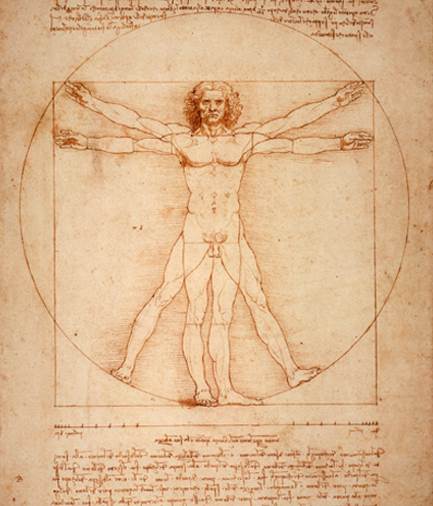
French architect Le Corbusier developed the Modulor , a system of proportions based on the human body and the golden ratio. He believed that using such ratios would create more human-centered and aesthetically pleasing environments.
Le Corbusier said: “Proportion is the fundamental law of the universe, and architecture must adhere to it.”
Despite its influence, modern perspectives argue that beauty and harmony are not universal concepts but are shaped by culture, context, and individual perception.

Debating the Effectiveness of the Golden Ratio in Architecture
While many still advocate for the golden ratio’s role in aesthetics, recent studies challenge its universality. According to research published in the British Journal of Psychology , humans are naturally inclined to detect patterns, which might lead us to see the golden ratio where it doesn’t exist.
A 2018 study in Nature stated: “Human perception of beauty is influenced by cultural background and personal experience, and cannot be reduced to a single mathematical formula.”
Thus, while the golden ratio can serve as a useful tool in design, it should not be treated as an absolute standard for beauty.
ArchUp Opinion
The Fibonacci sequence is undoubtedly one of the most intriguing mathematical discoveries, and its application in architecture has produced visually balanced and coherent designs. However, treating the golden ratio as a rigid rule can limit creative freedom and diversity in architectural expression.
In today’s globalized world, architecture must embrace pluralism and cultural specificity rather than rely solely on historical mathematical principles. The Fibonacci sequence remains a valuable concept, but it should be used as inspiration—not a strict guideline.
Frequently Asked Questions (FAQ)
1. What is the Fibonacci sequence?
It is a sequence of numbers where each number is the sum of the two preceding ones: 0, 1, 1, 2, 3, 5, 8, 13, and so on.
2. What is the golden ratio?
Also known as phi (φ), it is approximately 1.618 and is derived from dividing a number in the Fibonacci sequence by the one before it.
3. Was the golden ratio intentionally used in historical architecture?
There is no conclusive evidence that ancient architects deliberately used the golden ratio, though some buildings appear to follow it coincidentally.
4. Is the golden ratio necessary in modern architecture?
No, it is not essential, but it can be a helpful tool for achieving visual balance in certain cases.
5. Is architectural beauty objective?
Beauty in architecture is subjective and varies based on cultural, social, and personal factors.
Summary Table of Key Points
| Main Idea | Explanation |
|---|---|
| Fibonacci Sequence | Series where each number equals the sum of the two before it |
| Golden Ratio | Approximately 1.618; appears when dividing Fibonacci numbers |
| Use in Architecture | Seen in the Parthenon, pyramids, and Taj Mahal (interpreted, not confirmed) |
| Modulor System | Developed by Le Corbusier to apply golden proportions to human-scale design |
| Scientific Debate | Scholars question its universal appeal due to cultural and perceptual bias |
| Modern Perspective | Useful as a design tool, but not a mandatory rule |
ArchUp
A platform dedicated to simplifying architectural knowledge and critically analyzing ideas without marketing language or personal attribution.