Fill sand, commonly known as “Dafan,” is a compactable material used in construction for backfilling, leveling, and foundational support. It is composed of fine to medium-sized granular particles that enhance soil stability, making it a crucial material for road construction, foundation preparation, and landscaping applications.
Why You Should Use It?
Excellent Compaction: Ensures soil stability and reduces settlement.
Enhances Drainage: Prevents water accumulation in construction sites.
Multipurpose Material: Used in roads, buildings, and landscaping.
Affordable and Readily Available: Cost-effective for large-scale projects.
Improves Load Distribution: Provides strong support for structures.
Key Features
Property
Description
Grain Size
Fine to medium (≤ 5 mm)
Color
Light brown, beige, or gray
Material Composition
Sand, silt, and small gravel particles
Moisture Content
Variable (depending on site conditions)
Compaction Capability
High
Uses
Backfilling: Ideal for filling trenches, foundation gaps, and underground spaces.
Foundation Support: Enhances stability for roads and buildings.
Road Base Preparation: Forms a solid base before pavement installation.
Drainage Systems: Allows water movement, reducing the risk of erosion.
Landscaping and Grading: Provides an even surface for outdoor spaces.
Density & Composition
Factor
Value
Bulk Density
1400–1700 kg/m³
Moisture Absorption
2%–10% (varies by site conditions)
Porosity
20%–35%
Clay & Silt Content
≤ 10%
Case Studies
Infrastructure Projects: Used in major roadworks for compaction and stability.
Building Foundations: Ensures structural integrity by preventing settlement.
Sports Fields & Parks: Provides a level and well-drained surface.
Application Recommendations
Proper Compaction: Use a mechanical compactor for optimal results.
Moisture Control: Keep moisture levels balanced for better density.
Layered Installation: Apply in layers for even load distribution.
Regular Testing: Monitor density and composition for consistent quality.
Overview: A scratch coat, also known as “Tartasha” in Arabic, is the first rough plastering layer applied to walls and ceilings before the final finishing coat. This layer provides a textured surface to enhance adhesion for subsequent layers, ensuring durability…
Overview A plaster corner bead (steel) is a construction accessory used to reinforce and protect plastered corners in buildings. It ensures sharp, straight edges and prevents damage or cracking over time. Made from galvanized steel, it offers durability, corrosion resistance,…
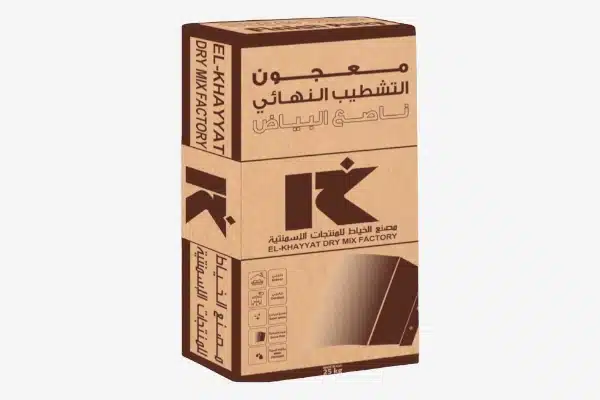
Overview Al Khayyat Final Finishing Putty is a premium-quality, ready-to-use wall putty designed for the final layer of surface finishing before painting. It ensures a smooth, elegant surface, free of imperfections, ideal for both interior and exterior applications. It enhances…
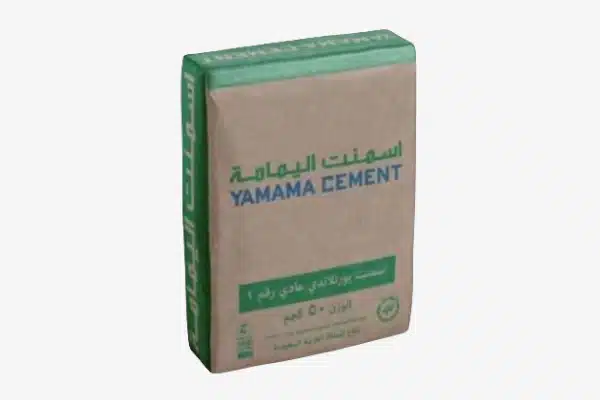
Overview Al Yamamah Cement Finishing is a premium product designed specifically for surface finishing and plastering applications. It is manufactured by Al Yamamah Cement Company, known for its quality cement products. This finishing cement is ideal for creating smooth, durable…
Overview Concrete spacers are essential construction components used to maintain the correct spacing between reinforcement bars (rebar) and the formwork. They ensure proper concrete coverage, improving durability and structural integrity. Why Use Concrete Spacers? Common Uses Specifications Property Value Material…
Overview A steel masonry angle is a structural component used to reinforce corners, edges, and connections in masonry construction. It provides additional support, durability, and stability to walls, openings, and load-bearing structures. Why Use a Steel Masonry Angle? Common Uses…