

Unpadding Comfort: How Chair Design Rethinks Sustainability and Ease

The Problem of Synthetic Foam in Furniture Manufacturing
Polyurethane foam (PU) is a petrochemical-based material commonly used in upholstered furniture manufacturing. It relies on isocyanates as a propelling agent during production. Despite its widespread use in the market, PU foam raises numerous environmental and health concerns.
Over time, this material begins to emit harmful off-gases into the air. It also loses its firmness and supportive qualities, ultimately reducing the product’s overall quality. Even more concerning is its flammability, which poses a serious hazard in homes and public spaces.
Moreover, the lifecycle of PU foam is relatively short. When disposed of—whether through incineration or low-grade recycling—it presents a significant environmental burden that is difficult to manage.
The Need for More Sustainable Alternatives
While halting the production of sofas and chairs is not a realistic option for the industry, transitioning toward safer and more sustainable alternatives has become imperative. This underscores the importance of exploring new materials that can deliver the desired performance without harmful side effects.
A New Experience in Foam-Free Upholstery
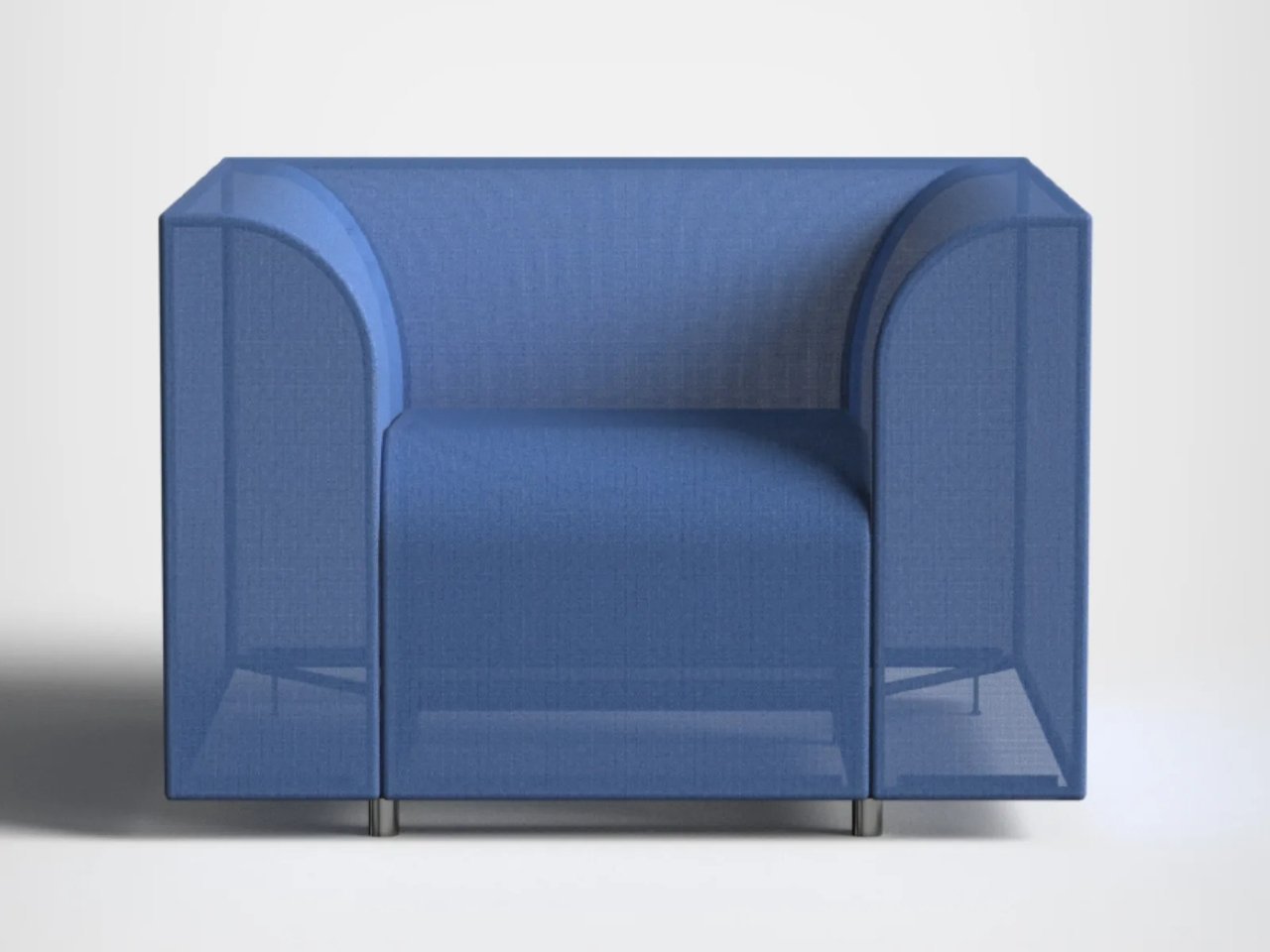
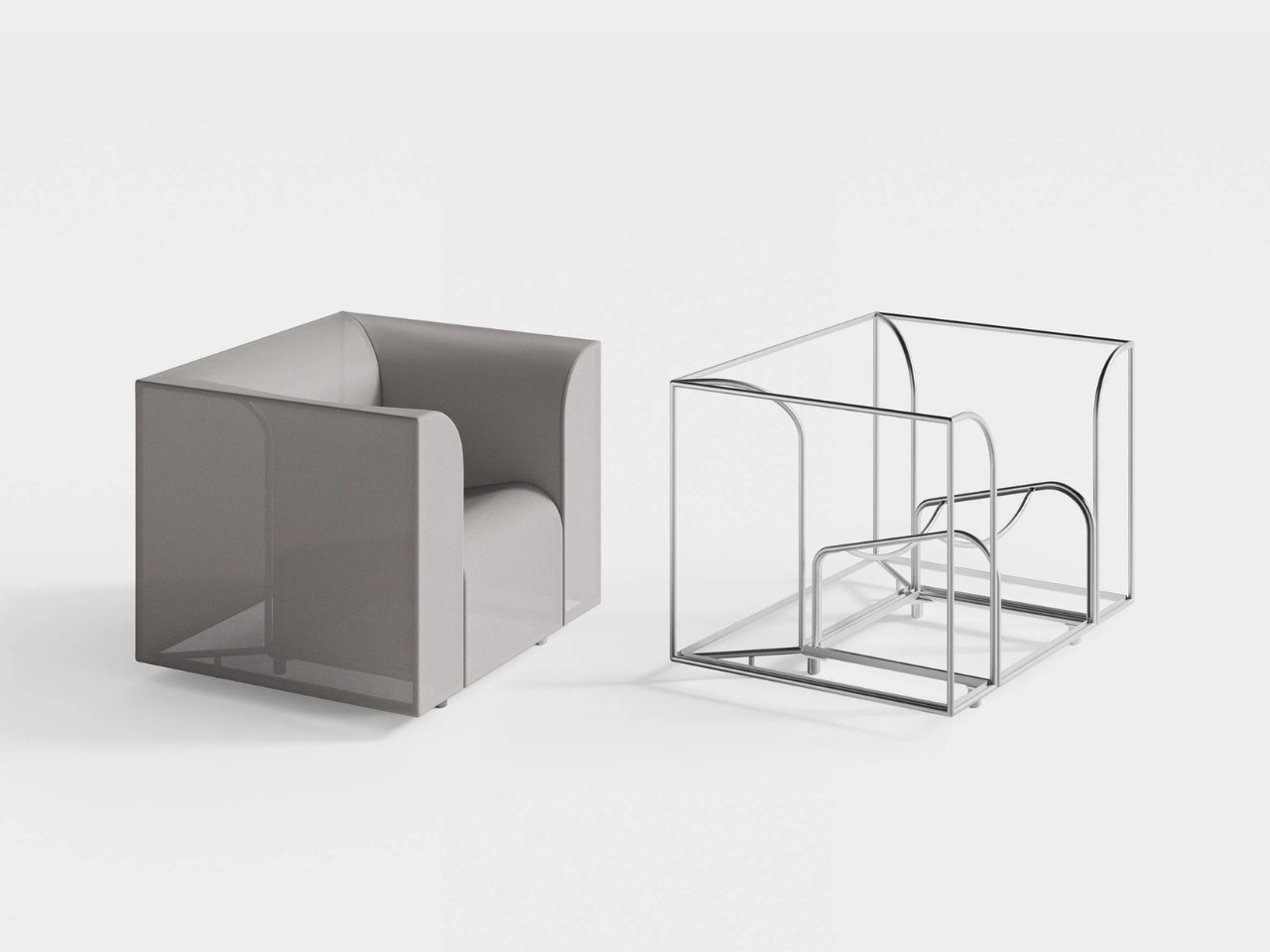
In this context, the design of the SHRINX Easy Chair serves as a prime example of how modern technologies can reshape traditional design concepts. The project utilized an innovative textile called SHRINX 4903. It was developed in collaboration with specialized partners in textile materials.
What makes this approach stand out is the complete elimination of polyurethane foam. Despite this, it still meets essential standards of comfort and support. This signifies a radical shift in the approach to upholstery. It moves away from dense padding toward techniques of tension and smart fabric engineering.

SHRINX 4903 Fabric: A New Approach to Upholstery Design
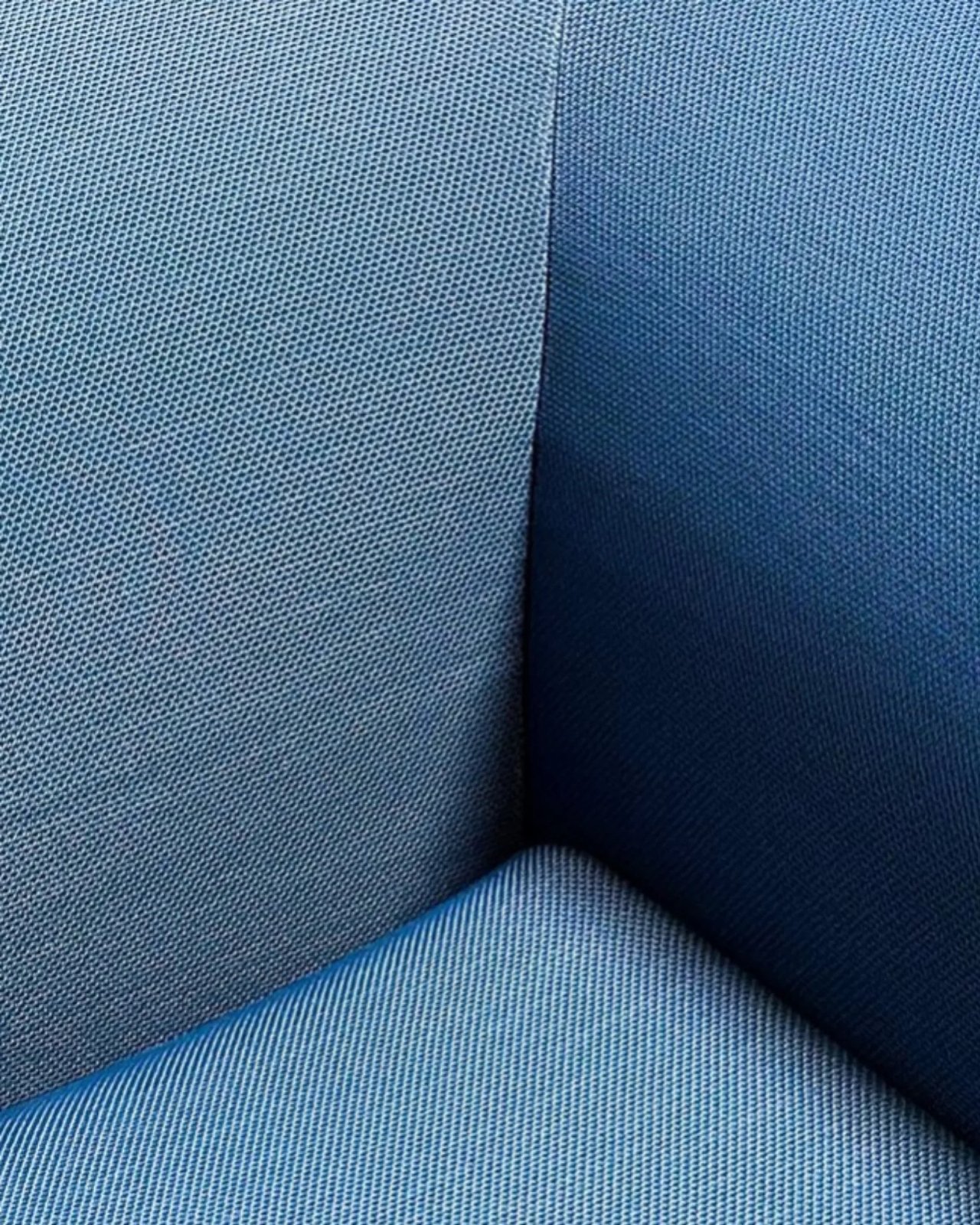
In the pursuit of alternatives to conventional foam, SHRINX 4903 emerges as a radically different technical solution. This patented fabric, composed of 68% polyester and 32% polyamide, is distinguished by its ability to provide self-support without the need for additional padding materials.
Technical and Visual Characteristics
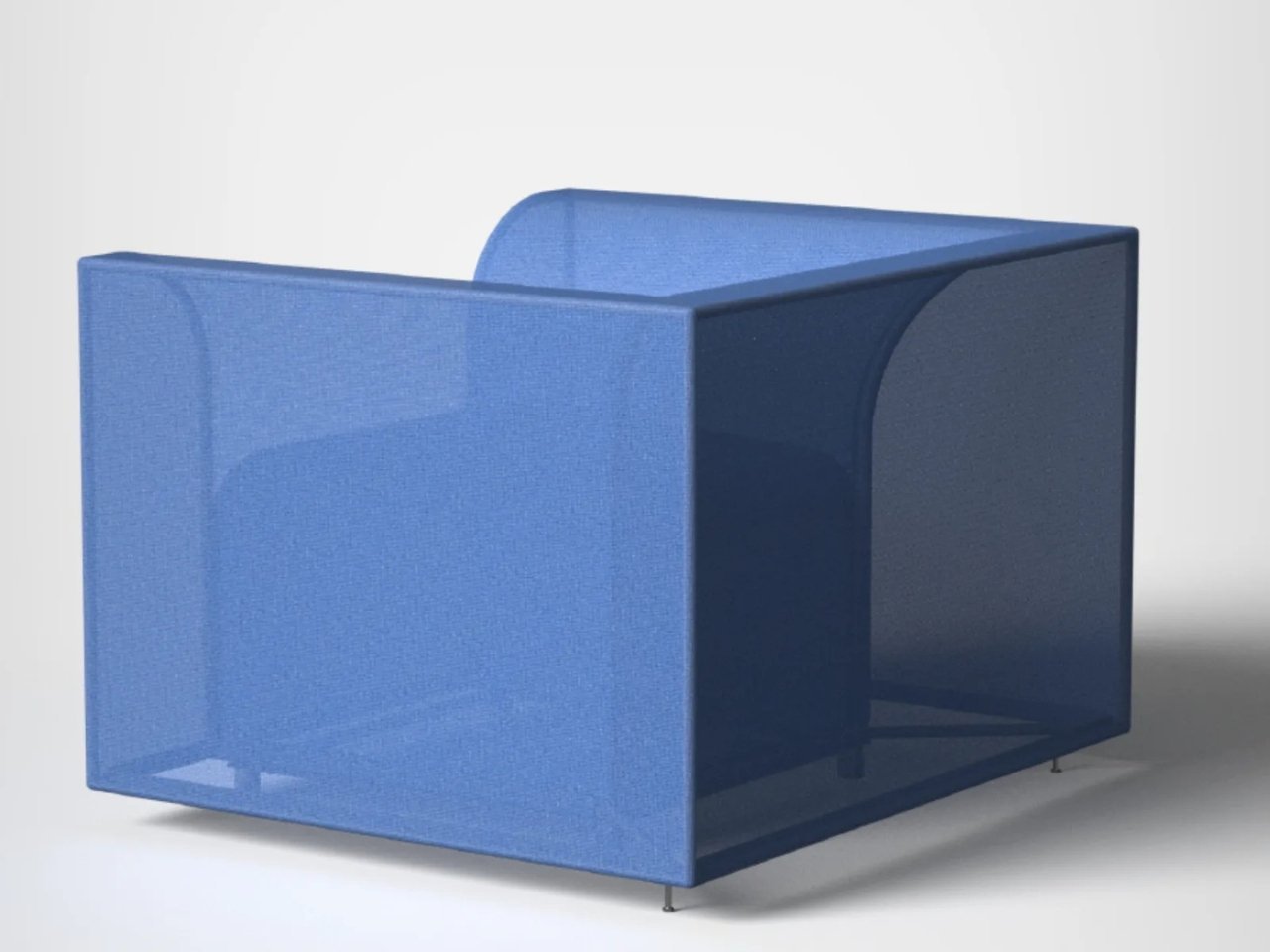
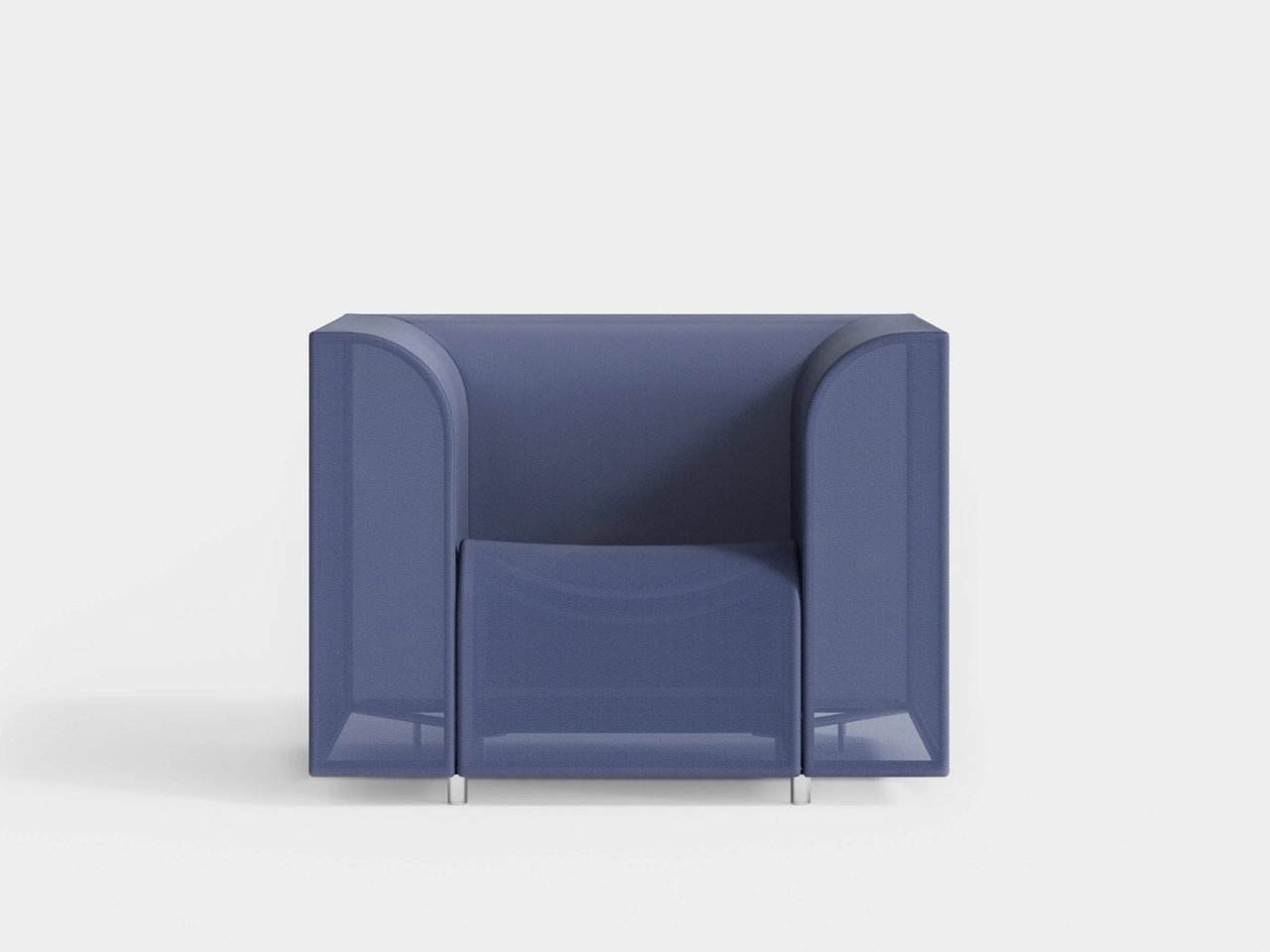
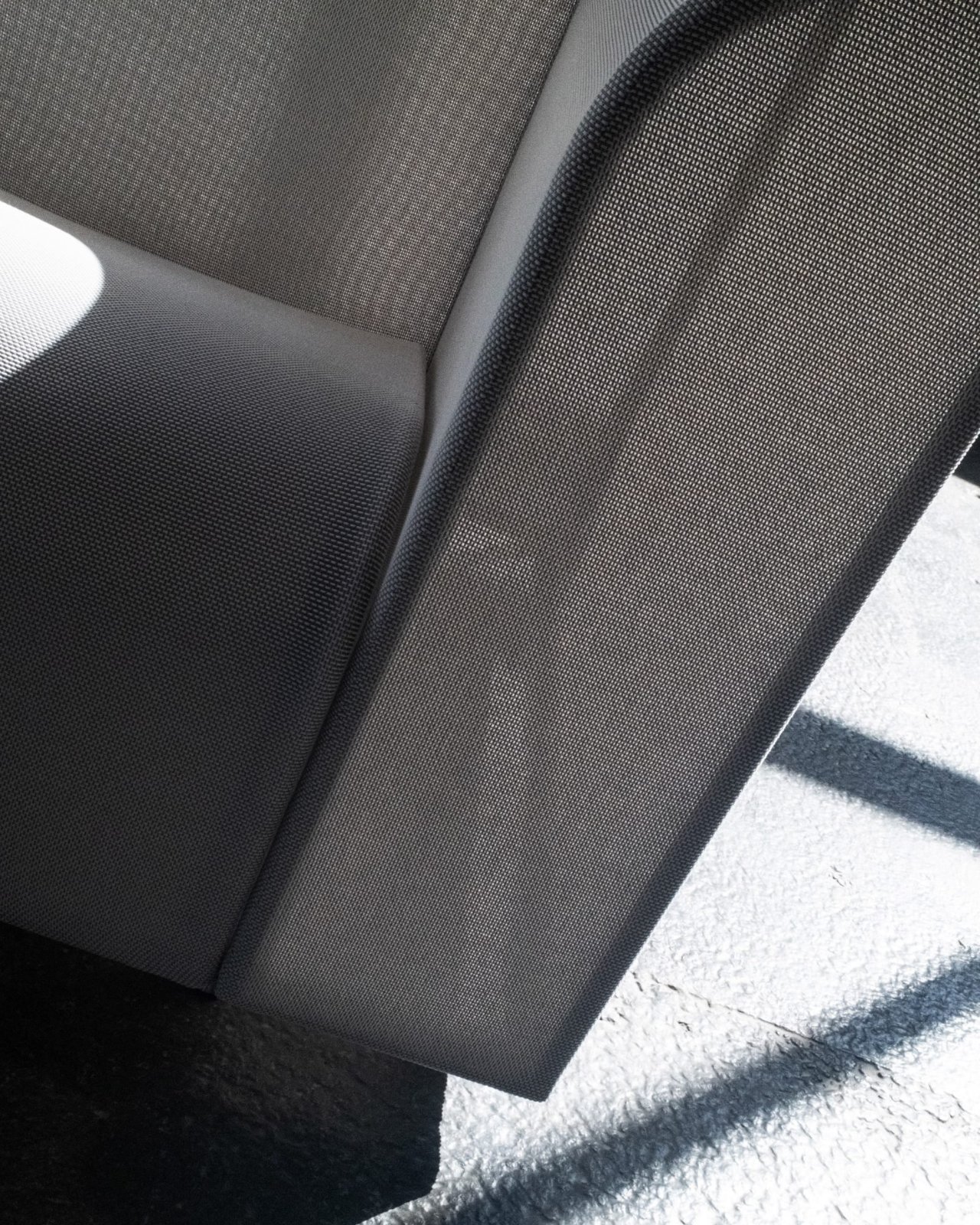
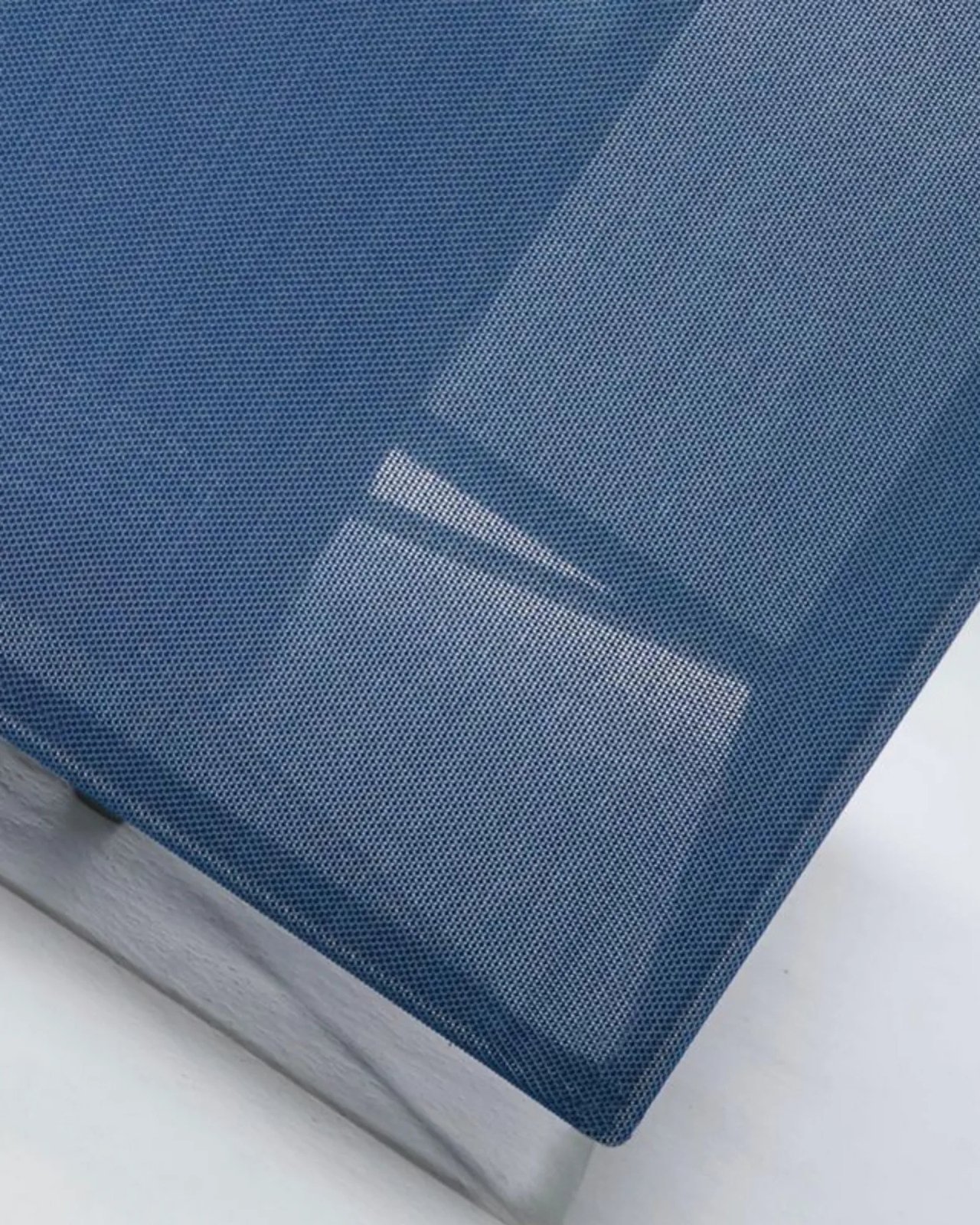
The fabric is available in 30 diverse colours, and its semi-transparent mesh structure offers a unique advantage. It allows for highly precise upholstery application while simultaneously revealing the internal structure of the chair. This feature not only contributes to a lighter visual appearance but also redefines the relationship between material and comfort.
Tension and Flexibility as an Alternative to Foam
One of the key features of SHRINX 4903 is its balance between flexibility and tension. Thanks to this equilibrium, the fabric gently adapts to the shape of the body. It maintains its durability and structural stability over time, delivering comfort without relying on traditional fillings.
Redefining Transparency in Design
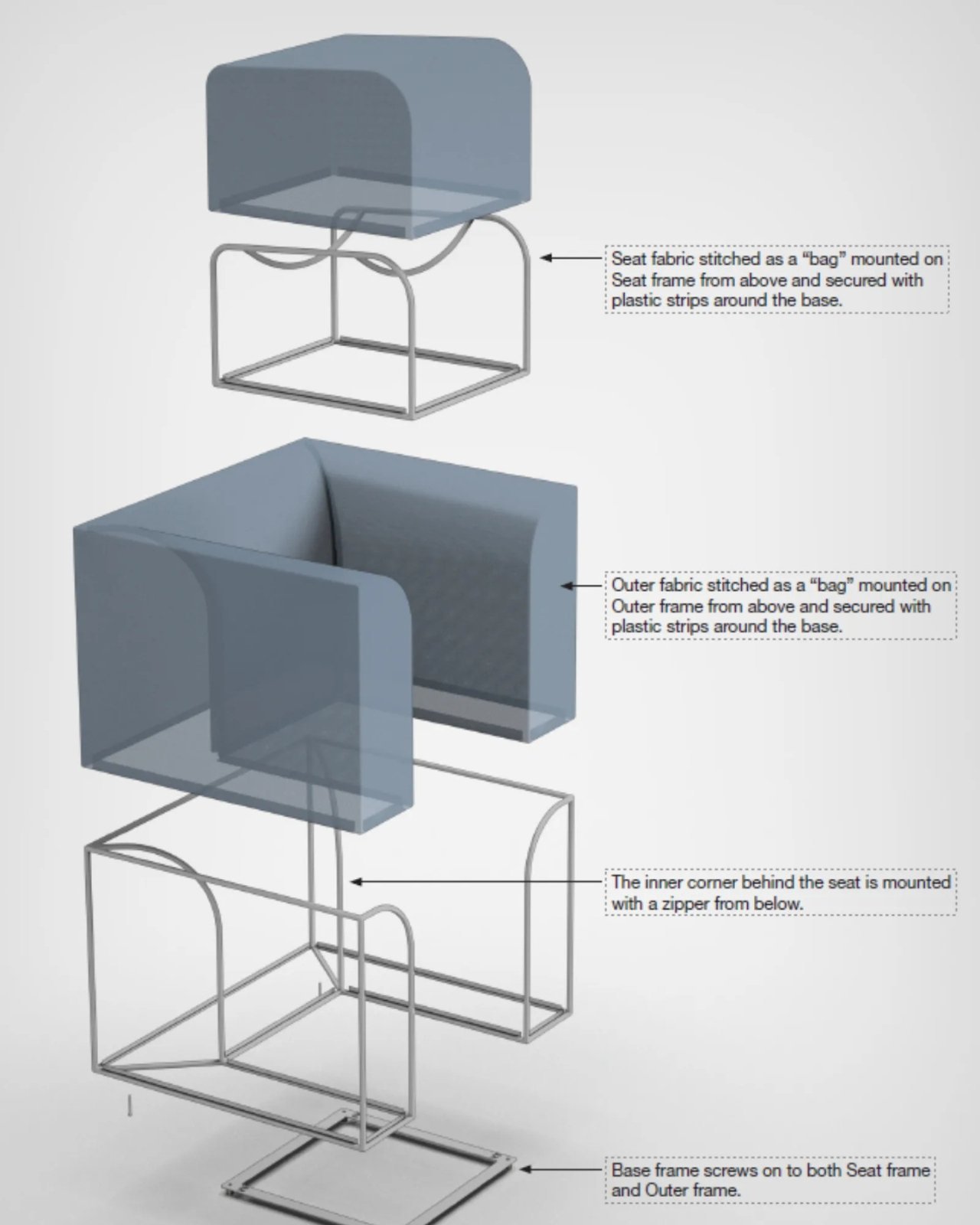
Unlike conventional seat design, where internal structures are hidden beneath layers of padding, this fabric brings them to the forefront as an intentional aesthetic element. This approach elevates transparency to both a visual and ethical stance. Design honesty intersects with functional sustainability in a clearly harmonious way.

A Comfort Experience Without Traditional Padding
Despite the absence of foam, the comfort offered by the chair is remarkably comparable to that of traditional seating. Choosing an innovative fabric like SHRINX 4903 does not mean sacrificing softness or the familiar sense of support. Instead, the concept revolves around redefining comfort. It does so by harnessing the fabric’s engineered tension and smart design, rather than relying on bulk and stuffing.
Balancing Classic Form with Modernity
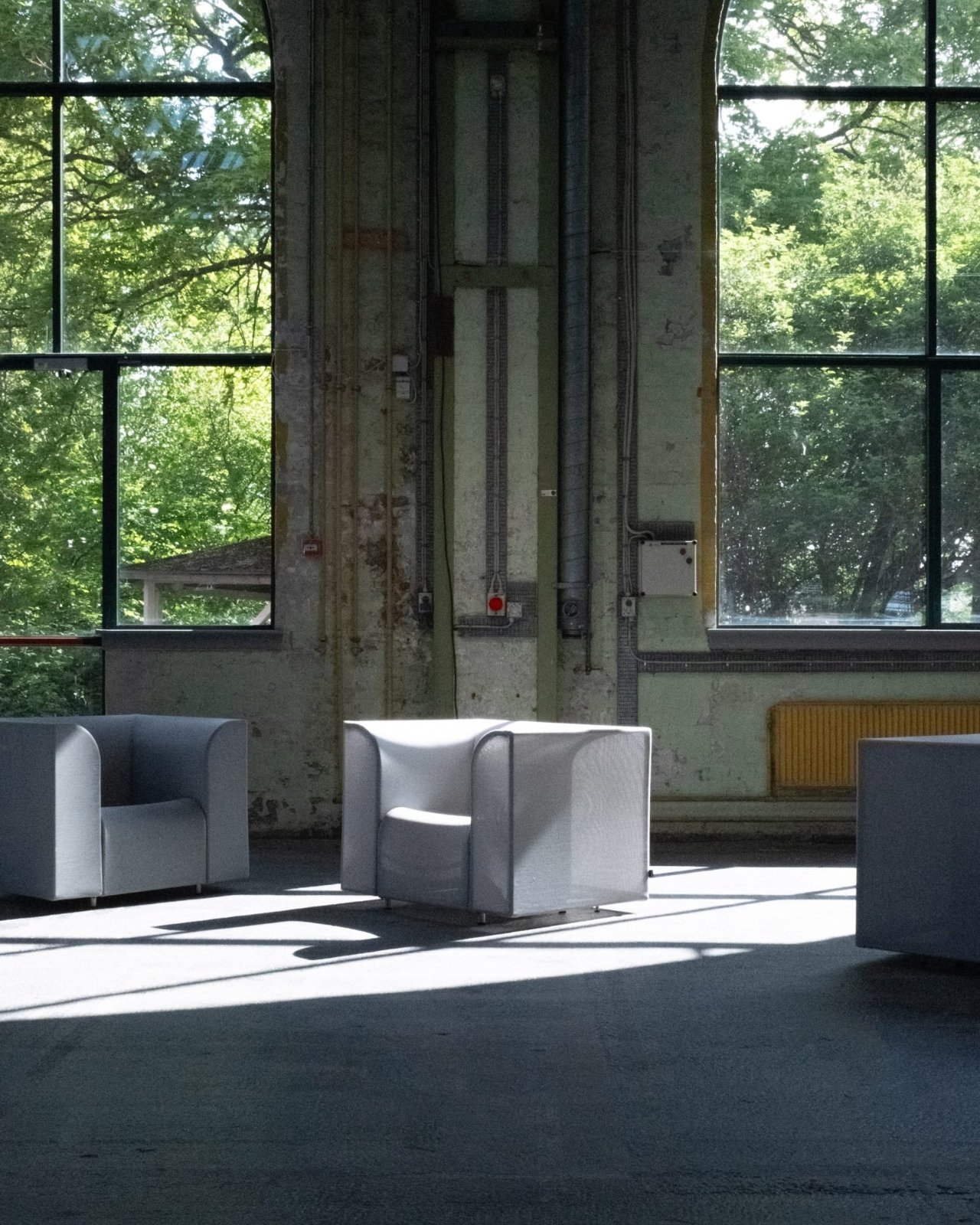
At first glance, the chair’s design draws inspiration from classic lounge silhouettes. It features an inviting low height, sculptural presence, and familiar contours. However, these elements have been reinterpreted with a refined simplicity. This lends the chair a contemporary character suitable for a wide range of settings.
Visual Efficiency in Contemporary Spaces
Thanks to its slim and precise form, the chair boasts a low visual weight. It is well-suited for both modern interiors and public environments where a balance between functionality and aesthetics is essential.
Supportive Curves and Quiet Elegance
The internal structure features rising curves that frame the form. These serve not only a functional role in comfortably supporting the body, but also add a touch of understated sophistication. This blend of traditional shapes and forward-looking design reflects a deeper understanding of sustainable aesthetics—where beauty doesn’t come at the expense of utility or environmental responsibility.
A Shift in the Traditional Concept of Upholstery
What this chair model offers goes beyond being a mere material alternative—it represents a conceptual transformation in the approach to upholstery. Choosing to completely eliminate traditional foam in favour of advanced textile techniques addresses issues of pollution and waste. Moreover, it opens the door to more sustainable solutions without compromising the demands of contemporary design.
As such, it is now possible to achieve a balance between aesthetics and environmental responsibility—not as a theoretical luxury, but as a practical step toward a more future-conscious design ethos.
✦ ArchUp Editorial Insight
The article highlights that comfort has not been sacrificed despite the absence of traditional padding. Instead, it has been reimagined through the fabric’s calculated tension and intelligent design. The form is inspired by classic lounge chairs, yet visually simplified to align with modern aesthetics and spatial lightness. This duality—between visual fluidity and functional support—reveals an advanced understanding of functional design.
One of the most striking points in the review is the emphasis on “transparency”. This is not only in the fabric’s appearance, but also as a design philosophy that rejects concealment and values material honesty. The exposed internal frame is not a flaw, but rather a deliberate statement about the relationship between humans and the materials that surround them.
Explore the Latest Architecture Exhibitions & Conferences
ArchUp offers daily updates on top global exhibitions, conferences, and professional art and design forums.
Follow key competitions, check results, and stay informed through the latest news worldwide.
ArchUp is your encyclopedic hub for discovering events and design-driven opportunities across the globe.


