

FOODres.AI: How MIT’s Smart 3D Printer Turns Food Waste into Functional Objects

Revolutionizing Household Sustainability with AI-Powered 3D Printing
FOODres.AI, an innovative desktop 3D printer developed by MIT graduates Biru Cao and Yiqing Wang, is redefining how we handle food waste by transforming kitchen scraps into functional, durable objects. Combining artificial intelligence, additive manufacturing, and circular design principles, this compact system offers a groundbreaking solution to the global food waste crisis one household at a time.
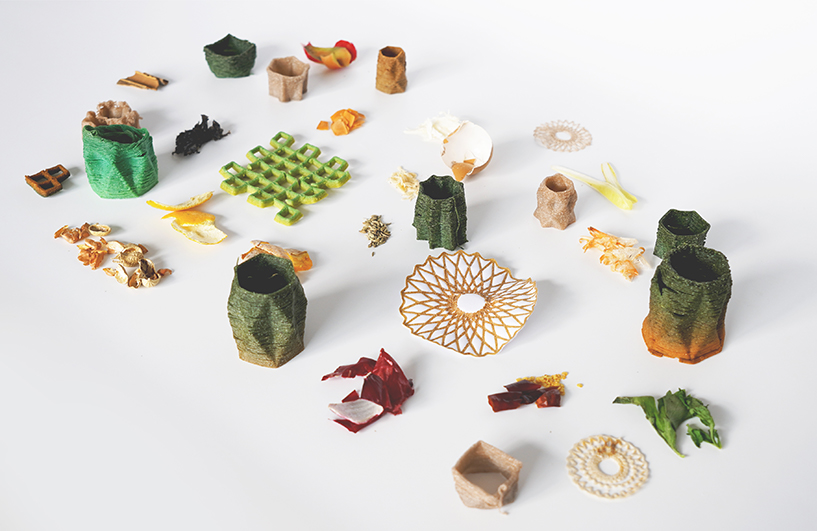
How FOODres.AI Works: From Scraps to Sustainable Products
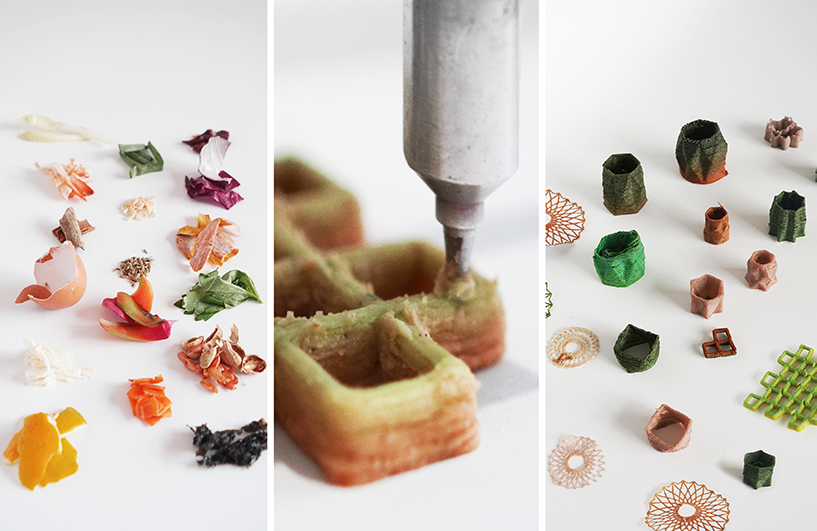
The printer integrates a custom three-axis extrusion system and an automated material processing module. Here’s the step-by-step breakdown:
- Waste Recognition A mobile app, powered by a self-trained AI model, identifies food waste types (e.g., banana peels, coffee grounds) using the phone’s camera.
- Material Processing Scraps are converted into a bioplastic paste via a built-in heating and mixing mechanism, optimizing viscosity for printing.
- 3D Printing Users select from a library of pre-designed templates (coasters, containers, decor) or upload custom models, with the AI suggesting optimal print settings based on material properties.
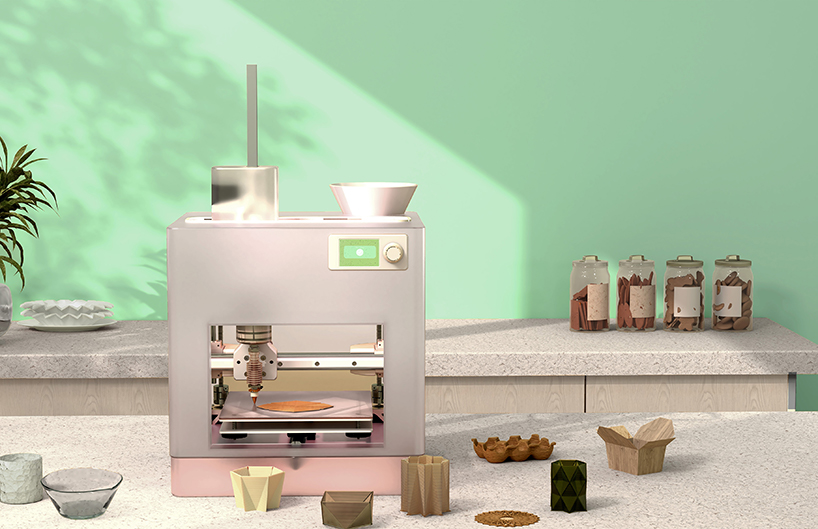
Designed for accessibility, the system requires minimal technical knowledge, making sustainable production feasible for homes, schools, and small workshops.
Award-Winning Innovation with Global Impact
Born from MIT’s IDEAS social innovation program, FOODres.AI has garnered prestigious accolades, including the 2025 iF Design Award and 2024–2025 Platinum A’ Design Award. Its development addresses a critical issue: in the U.S. alone, up to 50% of household organic waste ends up in landfills, contributing to methane emissions. Unlike traditional composting, this system closes the waste loop by enabling localized upcycling, reducing reliance on large-scale waste management infrastructure.
The Future of Distributed Sustainable Production
FOODres.AI aligns with emerging trends in decentralized manufacturing and eco-conscious design. By empowering users to repurpose waste into useful items, it fosters behavioral change making sustainability tangible and interactive. Future iterations could expand material compatibility, integrate with smart home systems, or even support small-business upcycling ventures.
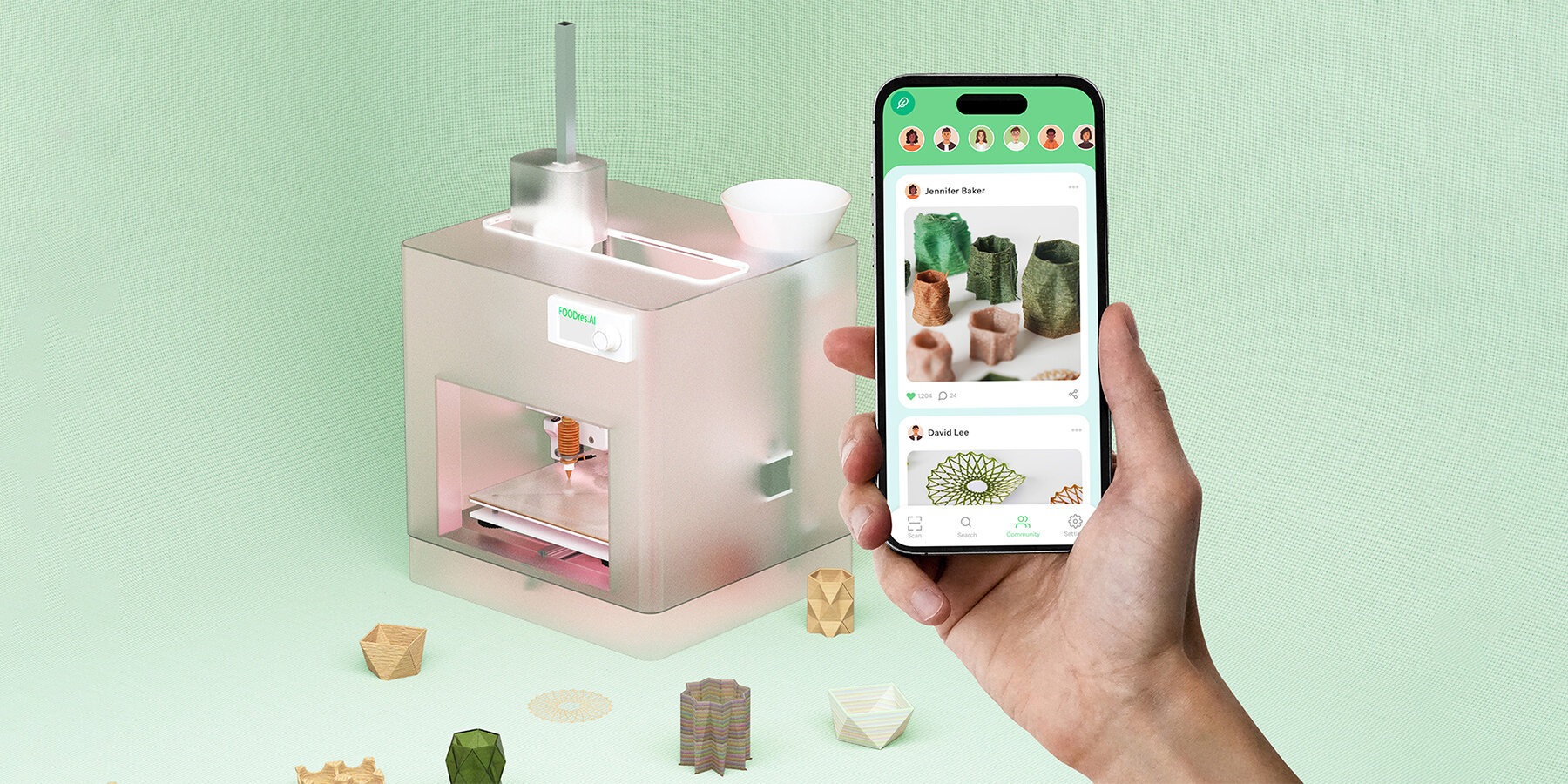
✦ ArchUp Editorial Insight
FOODres.AI presents a compelling vision for hyper-local circular economies, merging AI and 3D printing to turn waste into functional goods. While the technology excels in user accessibility and innovation, its current scalability remains limited processing diverse waste types at larger volumes could pose challenges. However, the project’s true strength lies in its behavioral impact, transforming passive waste disposal into active creation. By making sustainability engaging, it sets a benchmark for future home-scale eco-design.
Explore the Latest Architecture Exhibitions & Conferences
ArchUp offers daily updates on top global architectural exhibitions, design conferences, and professional art and design forums.
Follow key architecture competitions, check official results, and stay informed through the latest architectural newsworldwide.
ArchUp is your encyclopedic hub for discovering events and design-driven


