MYND: When Sustainability Becomes a Repairable and Customizable Tech Choice

Disposable Devices: A Recurring Issue in the Portable Speaker Market
For years, disposable devices have been a chronic problem in the world of Bluetooth speakers. When these devices break down, they often end up in landfills. This is largely due to the widespread use of low-quality materials, which turns many low-cost products into essentially single-use gadgets.
Toward an Alternative Model: Designing for Sustainability
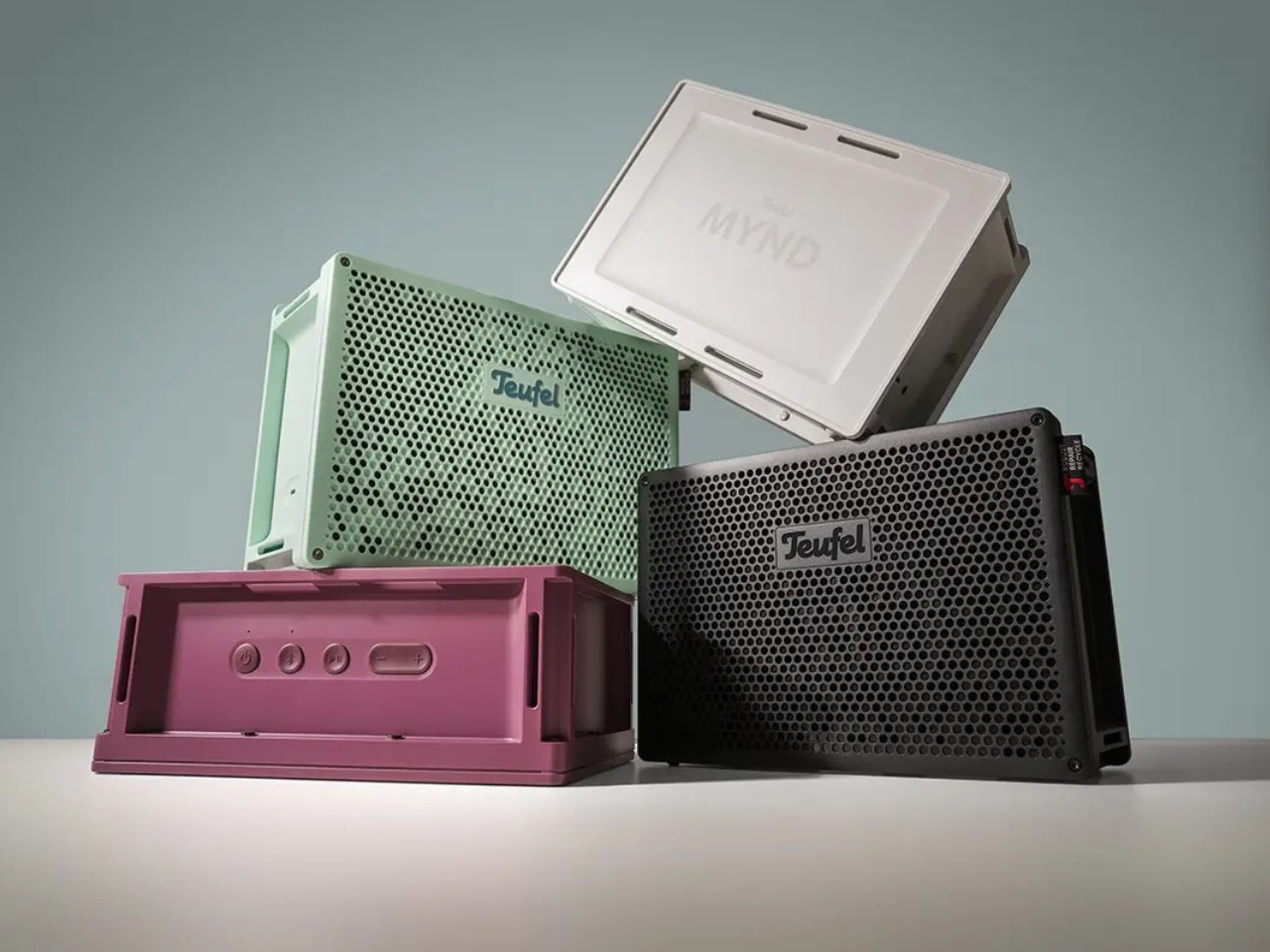
In response to this challenge, several serious attempts have emerged to offer alternative solutions. Among these initiatives is the MYND speaker, which stands as an example of a new direction that combines performance, design quality, and sustainability.
What sets this device apart is not just its audio capabilities but also its design philosophy. It adopts an open-source model that gives users the freedom to customize and maintain their device.
Open Source as a Tool for Empowerment
One of the most notable aspects of this approach is that the device’s design files have been released as open source. This means that any user with the technical knowledge can access the files and repair or modify the device according to their needs.
But the company didn’t stop there—it also published the firmware on GitHub, allowing users to develop and update the device’s software over time.
DIY Manufacturing: A Possibility Beyond the Brand
It’s worth noting that the device is already available on the market. However, users with the right technical skills and resources can build it themselves using the publicly available files.
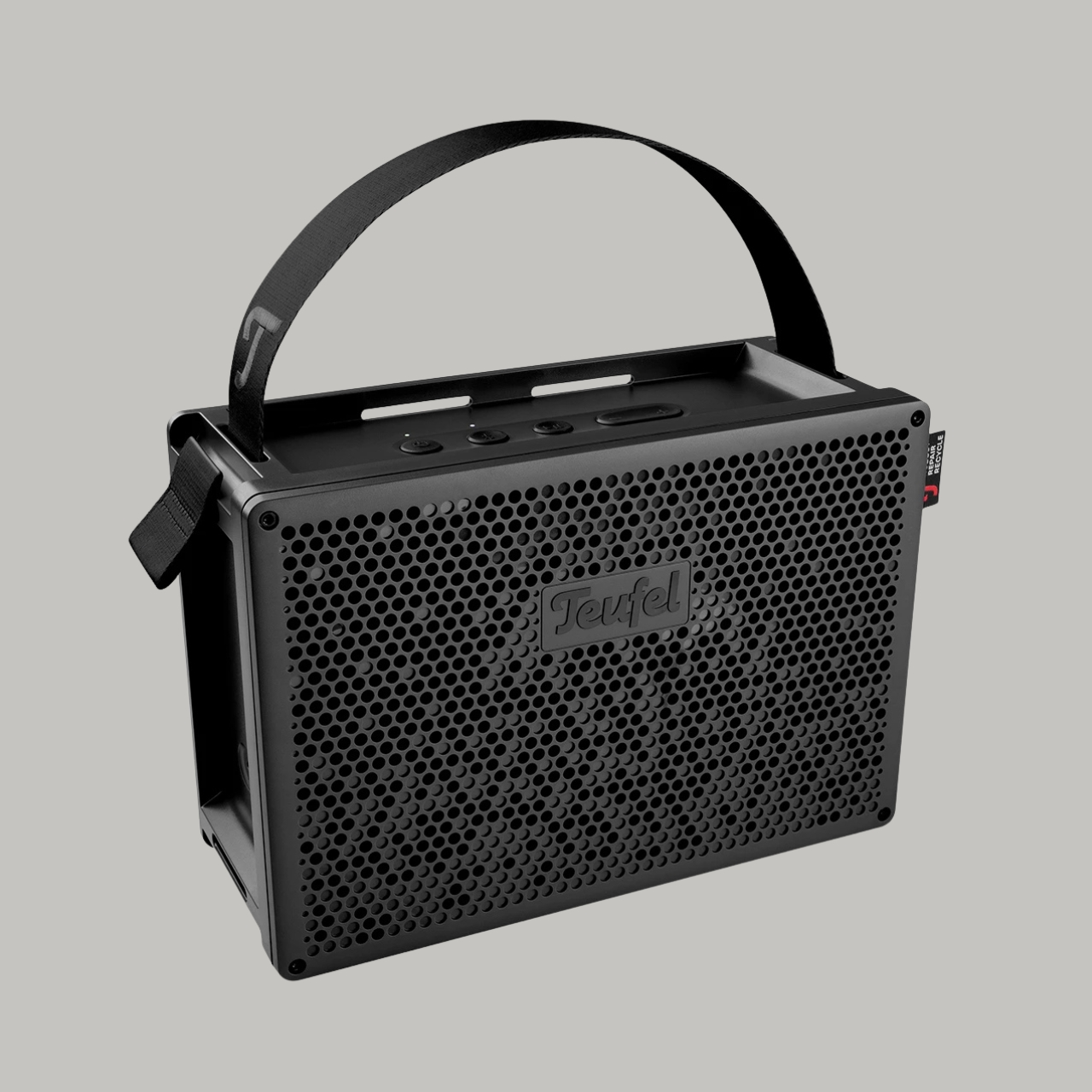
Eco-Conscious Design: Sustainable Materials Without Compromising Quality
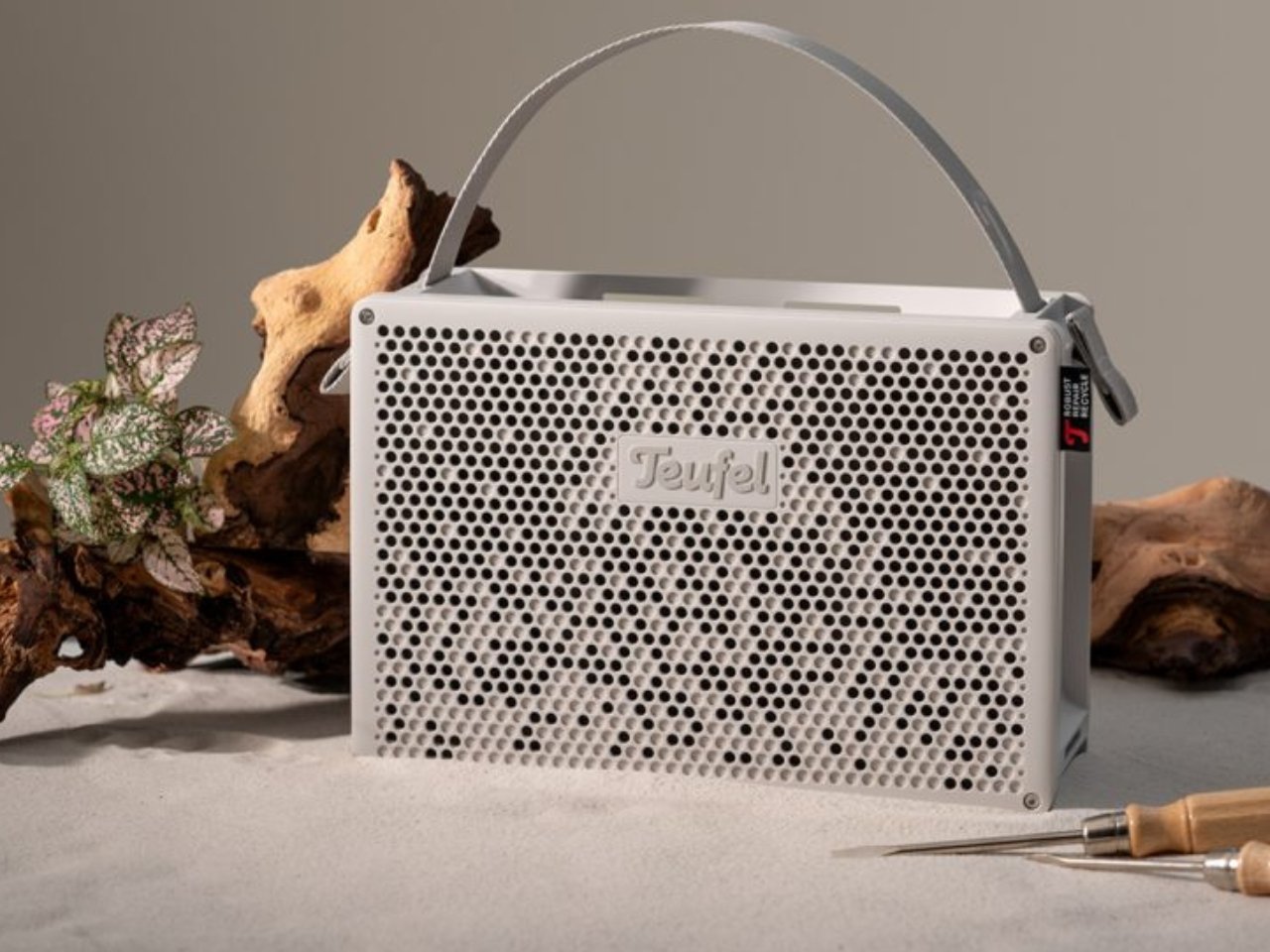
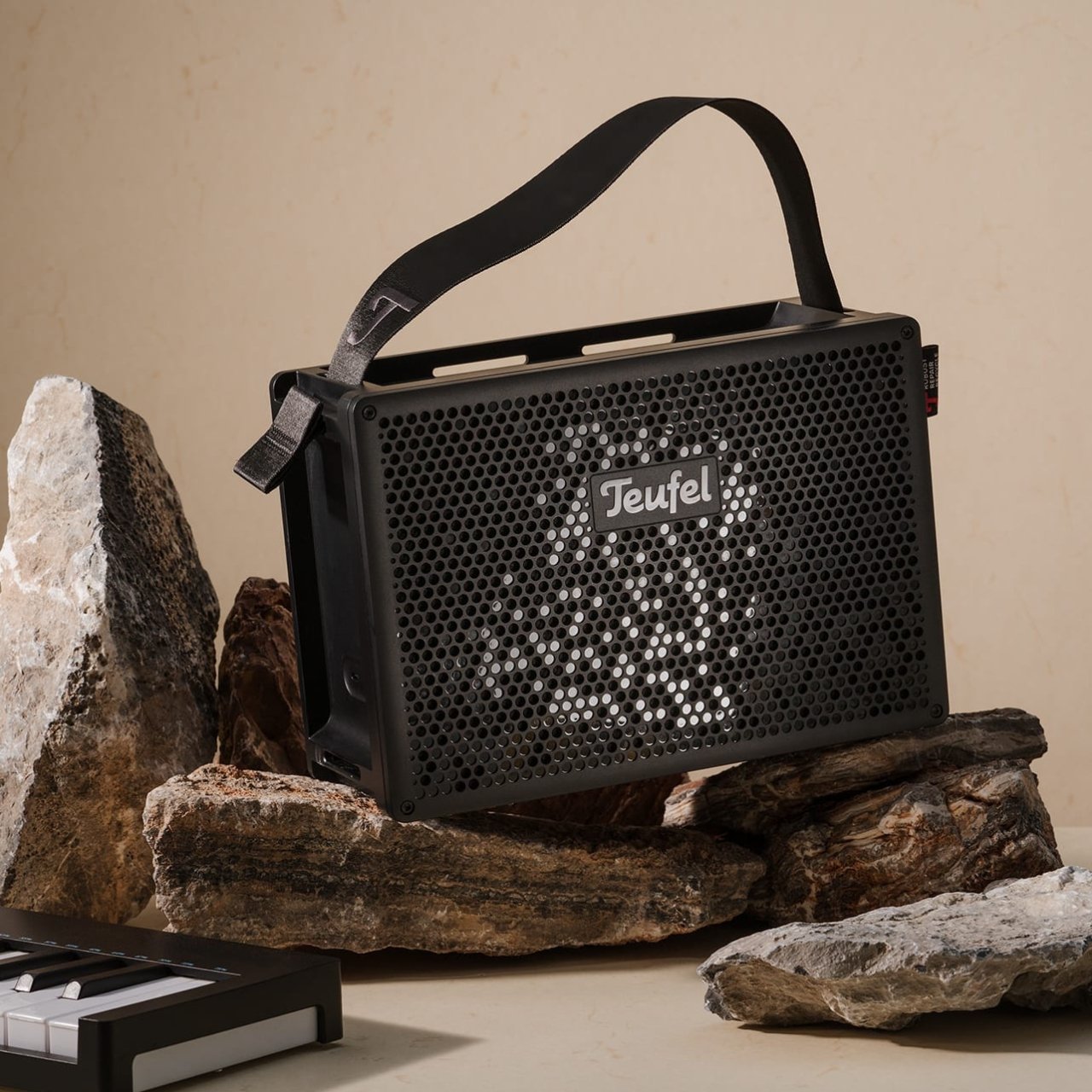
The design of the MYND speaker reflects a deliberate commitment to environmental responsibility. The device’s casing is made using materials that include 50% recycled plastic—a practical step toward reducing reliance on traditional raw materials.
Despite this eco-friendly choice, manufacturing quality remains uncompromised. The speaker retains an IP67 rating for water and dust resistance, demonstrating that sustainability can go hand in hand with durability and toughness.
Modular Design: An End to the Culture of Complete Replacement
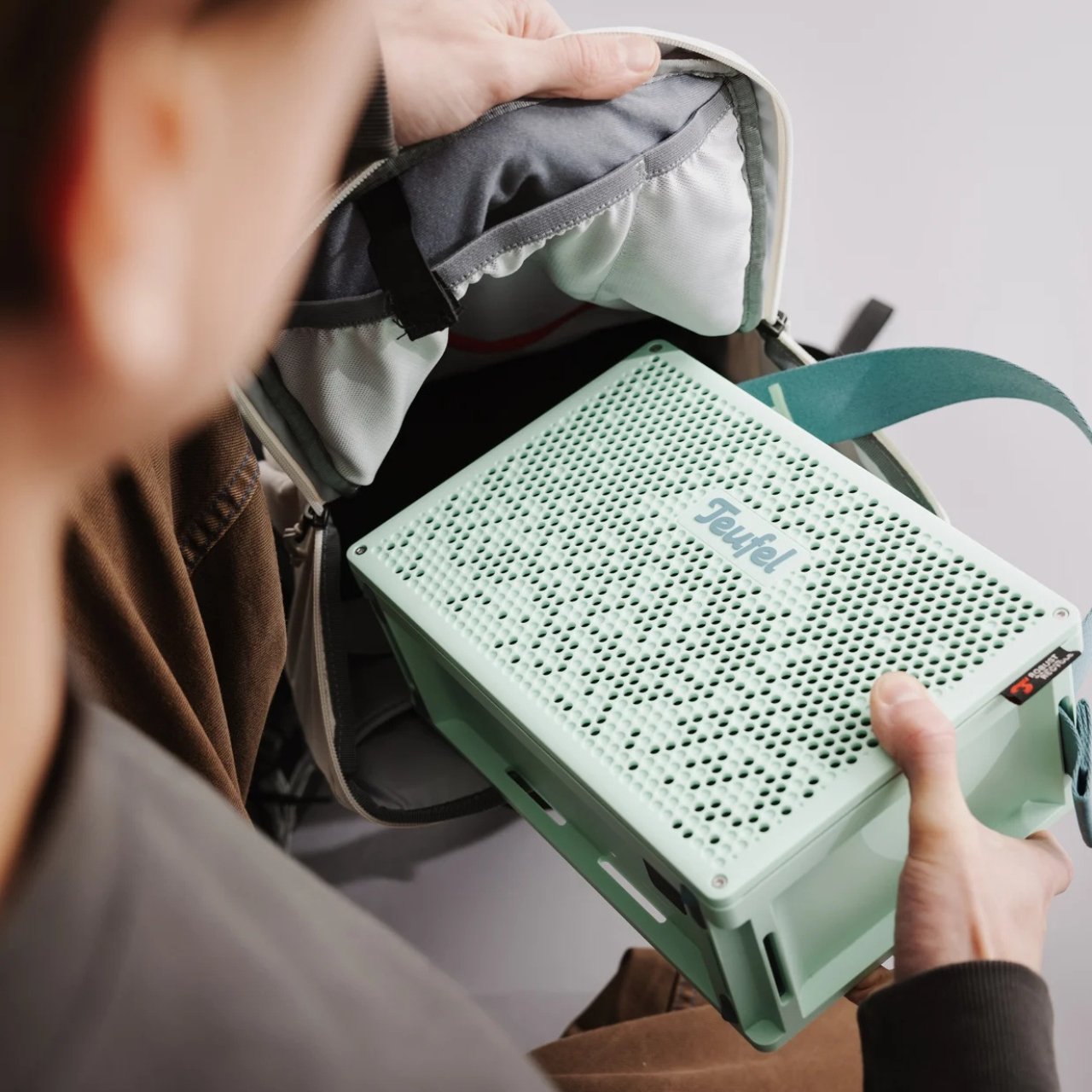
Beyond the materials, what truly sets MYND apart is its fully modular design. In traditional speakers, the failure of a single component often leads to discarding the entire device, contributing to growing e-waste.
With MYND, however, each component can be easily replaced or upgraded without the need to dispose of the entire unit. This intelligent engineering is a practical move toward breaking the single-use mindset.
Empowerment Through Self-Maintenance
At the heart of this concept is empowering the user to maintain the device independently. The more capable users are of keeping their devices functional over time, the smaller the environmental impact caused by constant manufacturing and replacement.
This philosophy extends beyond just the battery—it applies to all key components, giving users real freedom to keep their device updated and operational for the long term.
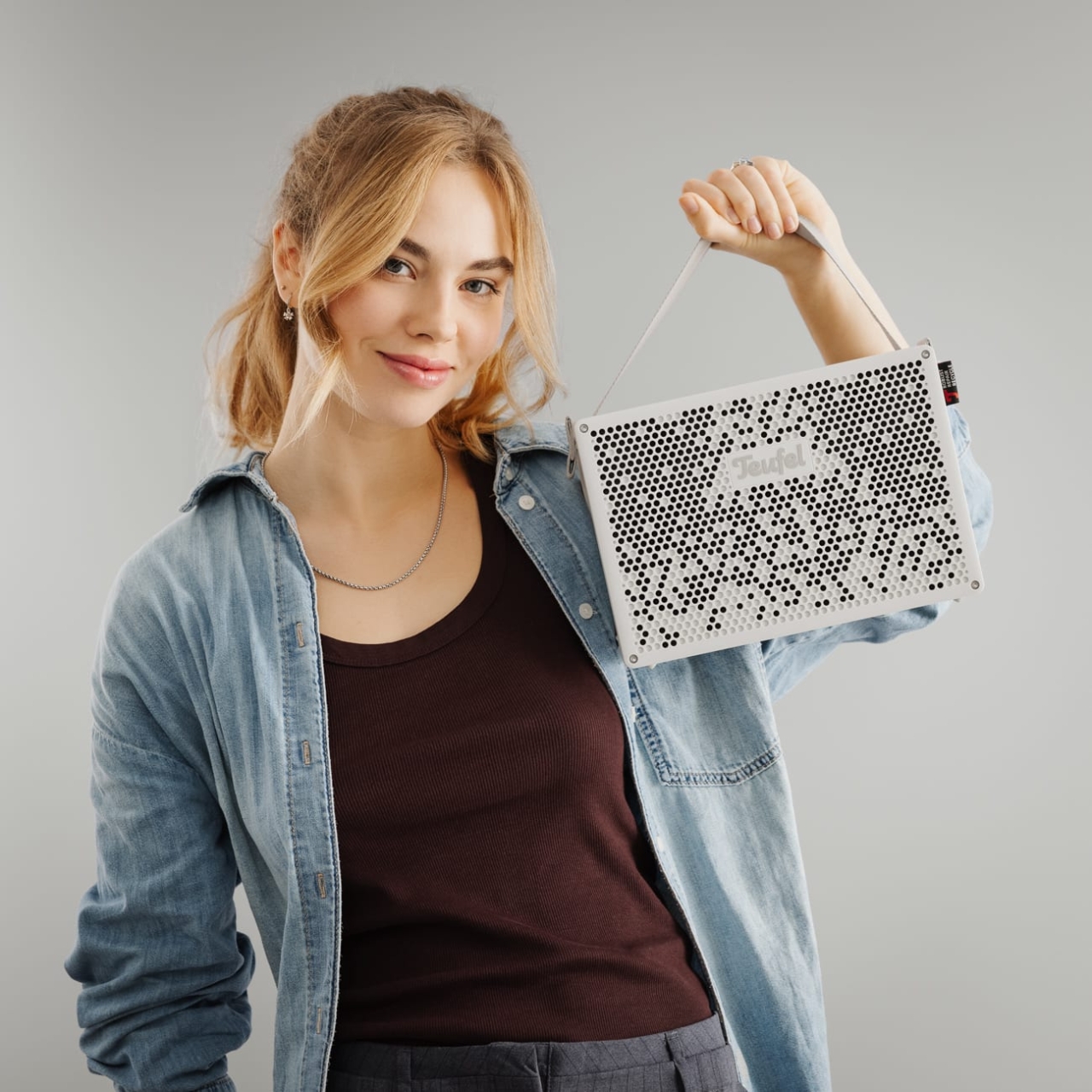

Openness to the Community: The Open-Source Philosophy
MYND’s adoption of open-source principles marks a significant shift in how companies approach their devices. The design files have been released under a Creative Commons license, allowing users and independent developers to:
- Propose tangible improvements to the design
- Develop custom modifications tailored to their needs
- Contribute to extending the device’s lifespan beyond official support
This approach not only serves the idea of sustainability but also opens the door to building a collaborative tech community—one where collective expertise works together to enhance a single product.
Performance: Sustainability Without Compromise
While MYND places clear emphasis on repairable, sustainable design, it doesn’t fall short on technical capabilities. On the contrary, it comes equipped with features that boost its performance, including:
- Up to 40 hours of continuous battery life
- Support for Bluetooth 5.3 for stable, high-quality audio streaming
- A smart DSP processor that maintains sound clarity even at low volumes
- High-efficiency Class-D amplifiers for powerful sound with minimal energy consumption
This combination proves that environmental sustainability and practical performance can coexist—without compromise.
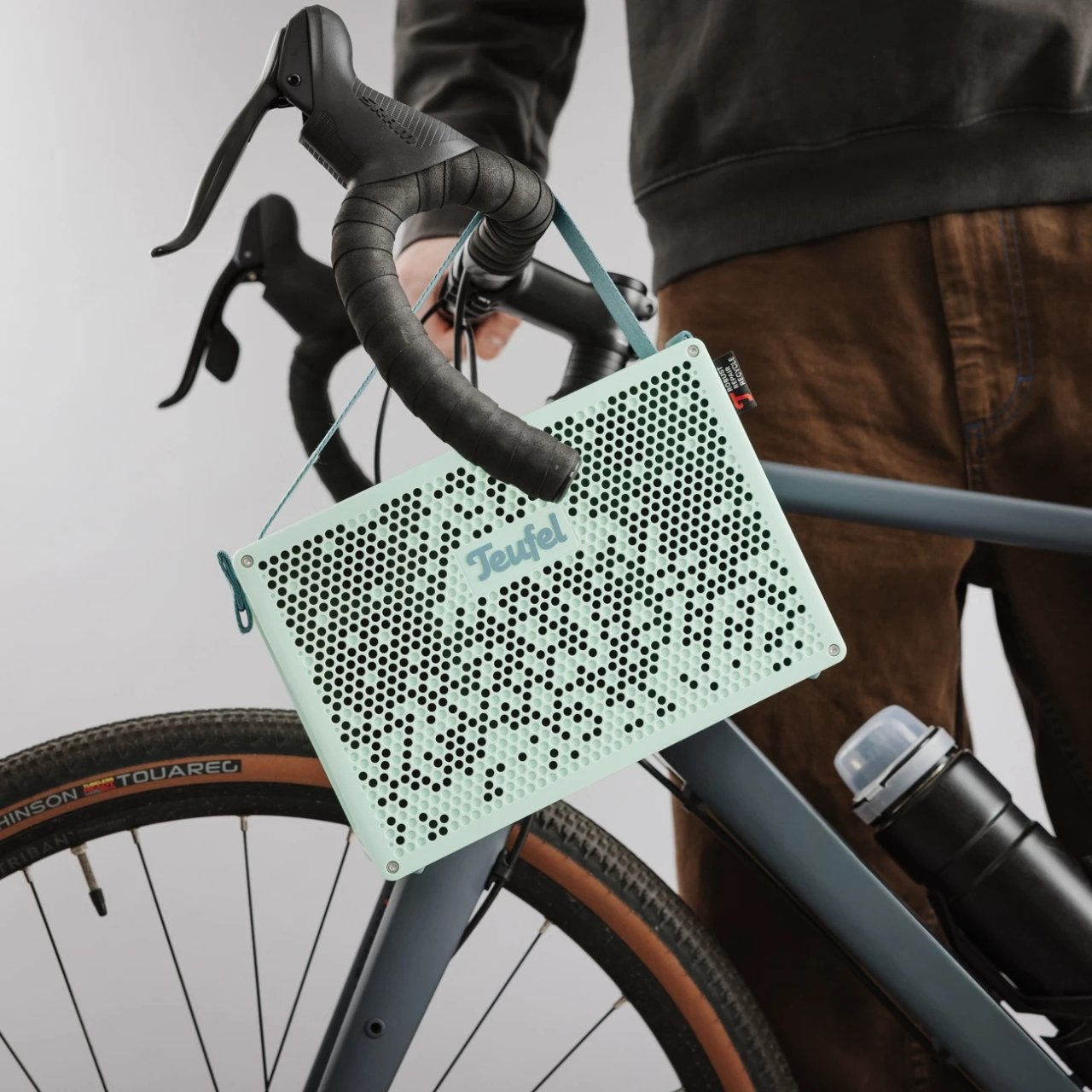
Customization and Expansion: A Device Built to Grow With You
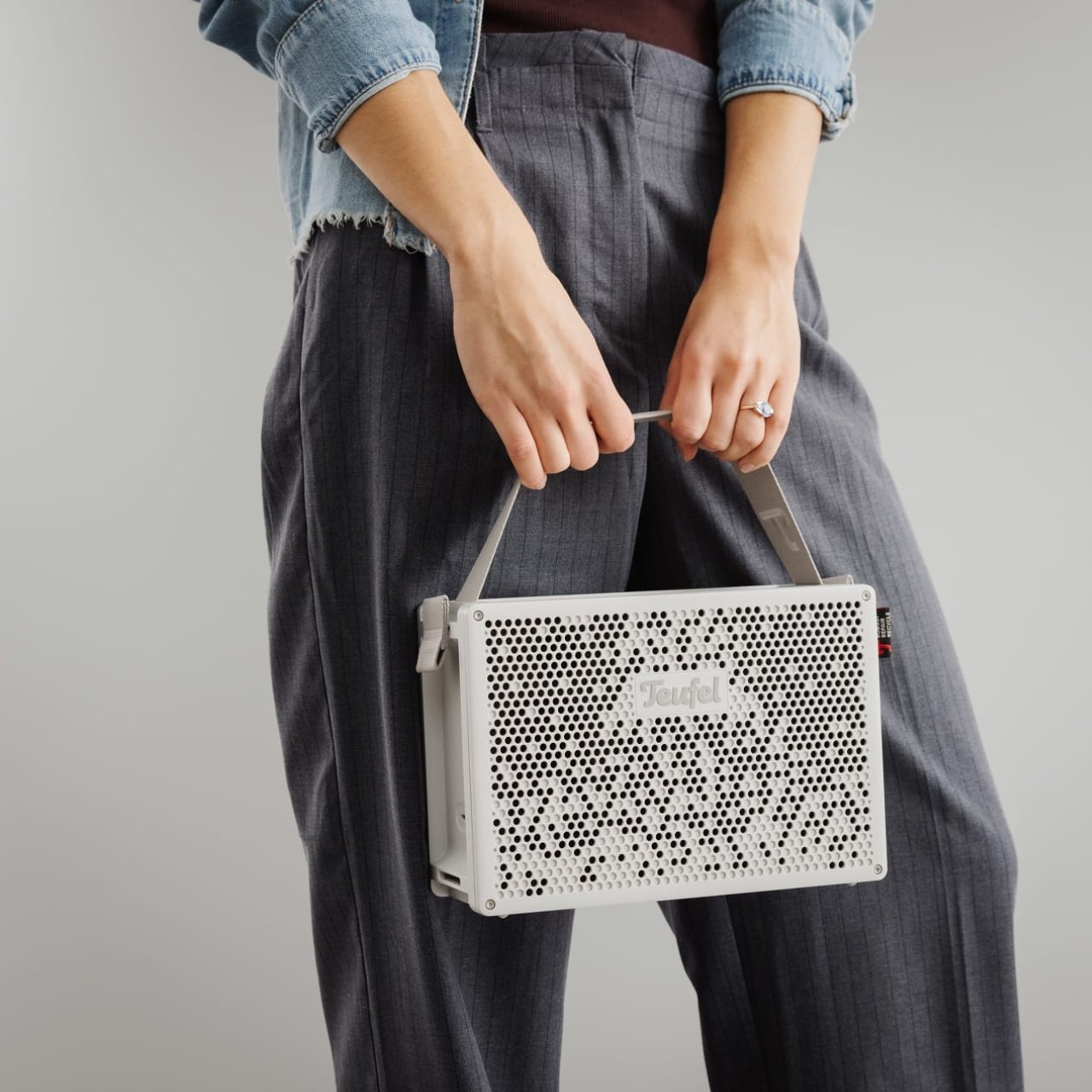
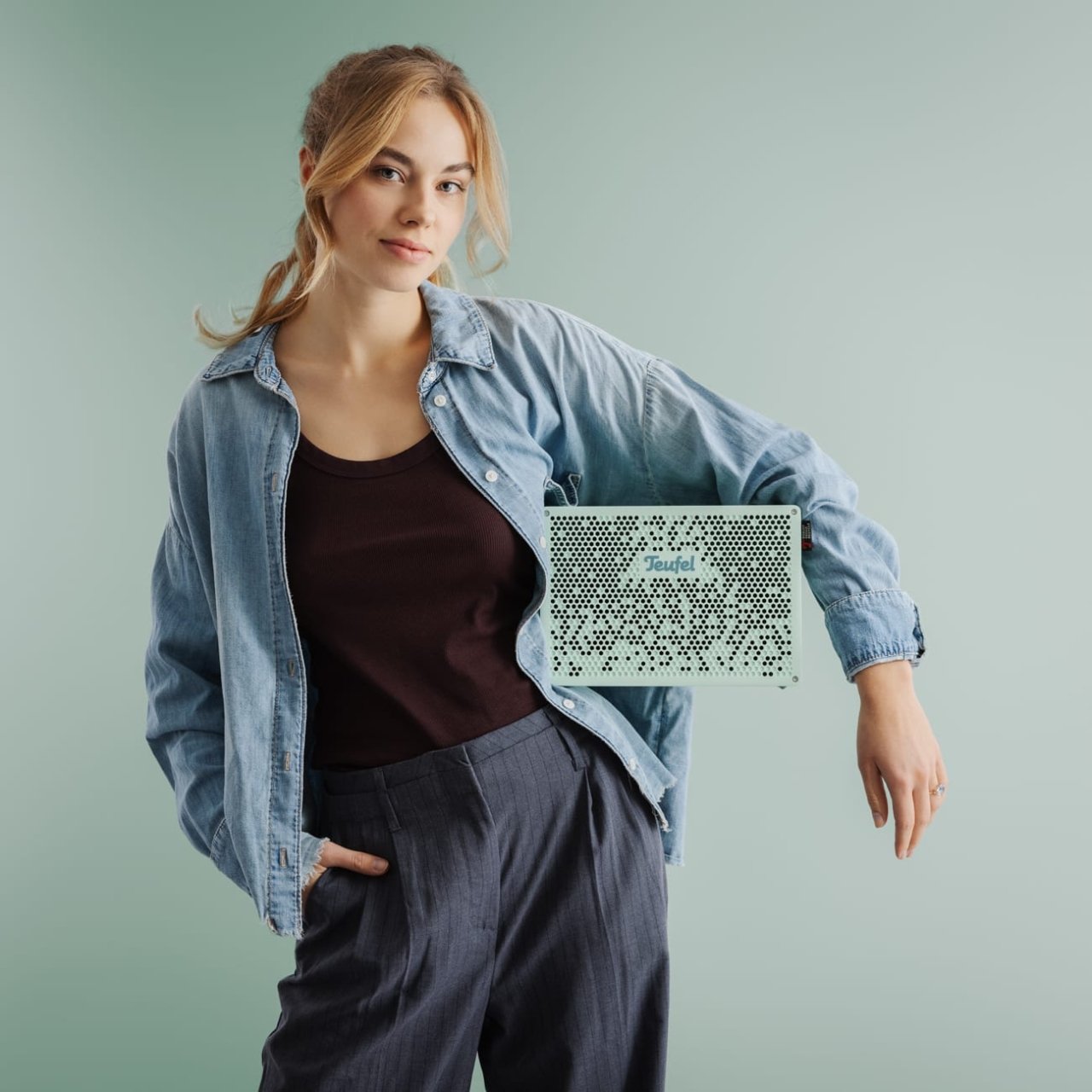
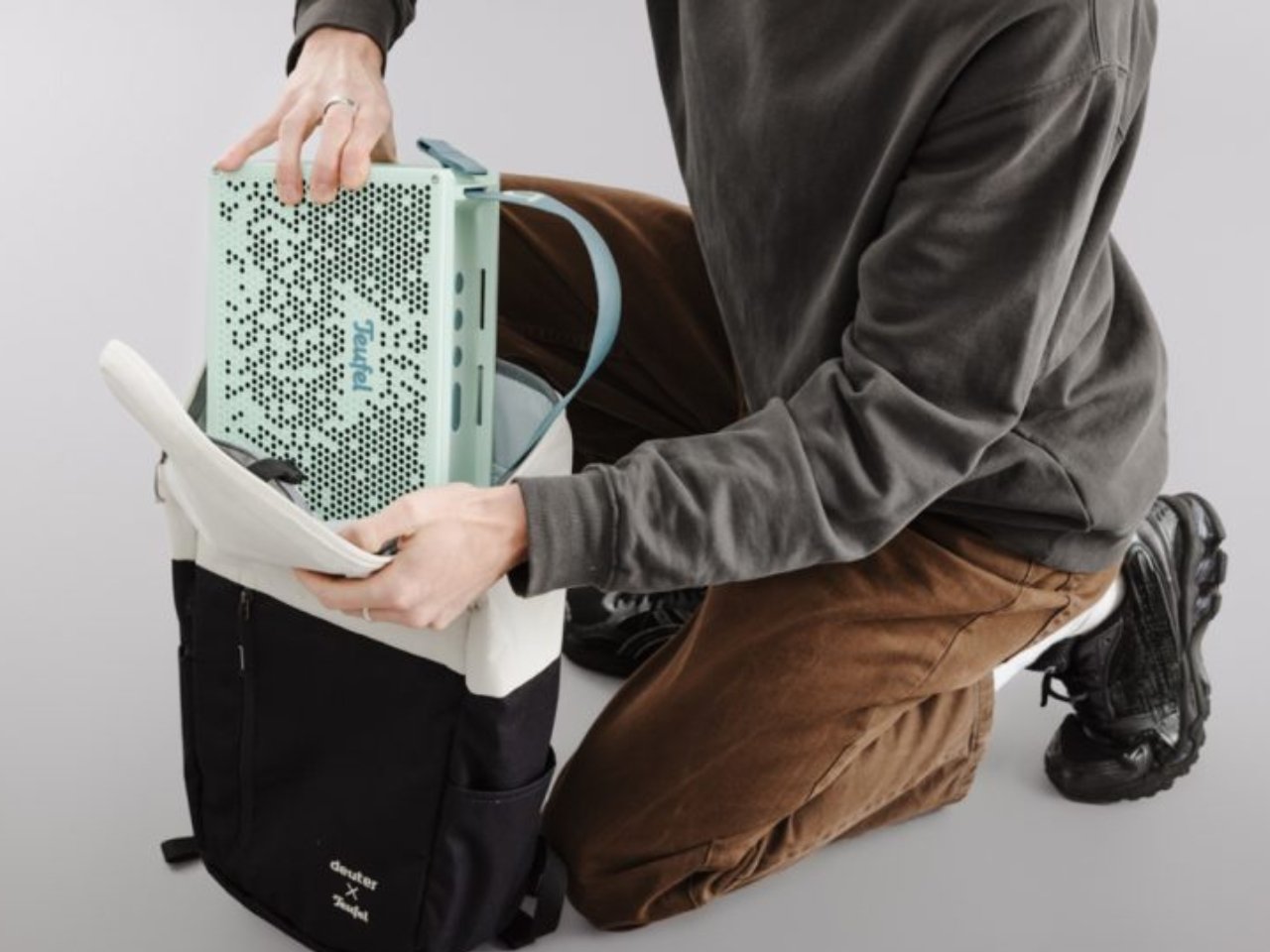
MYND’s modular design goes beyond simple repair—it extends to customization and expansion. Users can replace specific parts or add creative modifications based on their needs, transforming the device from a standard consumer product into a long-lasting, evolving tool.
This direction marks a major shift away from the philosophy of planned obsolescence—where devices are intentionally designed to degrade over time—toward a model grounded in operational longevity and genuine sustainability.
More Than Just a Device
Through MYND, Teufel presents a model that proves the audio industry can successfully combine:
- Technological innovation
- Environmental responsibility
- Community empowerment
This speaker doesn’t just deliver excellent performance—it redefines the user’s relationship with technology. It fosters a mindset of participation, repair, and continuity, rather than consumption and disposal.
In the end, MYND is more than just a speaker. It is a bold statement about what consumer electronics can become when companies embrace values beyond short-term profit and focus instead on product longevity and user empowerment.
✦ ArchUp Editorial Insight
While the MYND speaker offers an innovative vision that blends sustainability with technical openness, there are real challenges that cannot be overlooked.
For instance, relying on open-source principles and a “do-it-yourself” mindset implicitly assumes that users have both the skills and interest to engage in technical participation—an assumption that doesn’t hold true for a wide segment of everyday consumers.
Additionally, although the modular design brings advantages in repair and customization, it may also introduce added complexity compared to traditional devices that prioritize simplicity and out-of-the-box readiness.
On the other hand, there’s no denying that MYND opens up a new horizon for consumer electronics, offering users a deeper understanding of what they own. Yet it also raises an important question: is the average user truly ready to engage with technology in this way?
This tension between ideal intent and real-world execution does not diminish the significance of the MYND experiment, but it calls for a critical, balanced outlook—one that recognizes the diversity in users’ technical capabilities and levels of engagement.
Explore the Latest Architecture Exhibitions & Conferences
ArchUp offers daily updates on top global exhibitions, conferences, and professional art and design forums.
Follow key competitions, check results, and stay informed through the latest news worldwide.
ArchUp is your encyclopedic hub for discovering events and design-driven opportunities across the globe.