Time Capsule in Washington, D.C. for U.S. 250th Anniversary

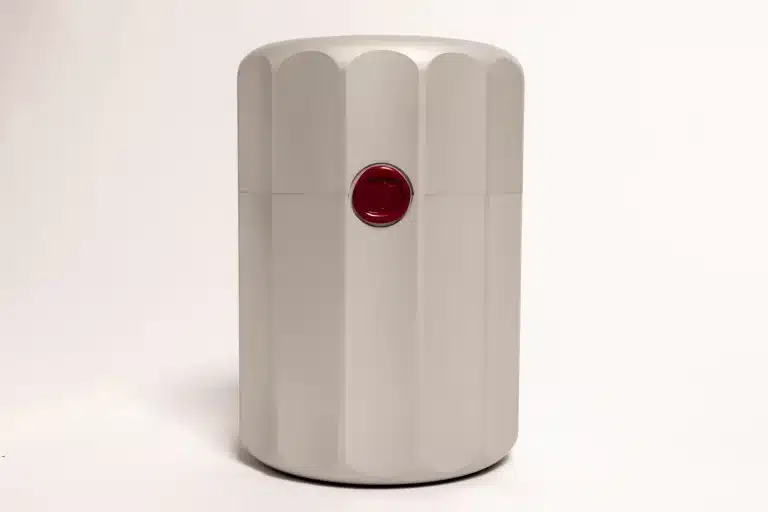
Time capsule for the 250th anniversary will mark the United States’ semiquincentennial of independence. It will be buried in a national ceremonial landscape in Washington, D.C. in 2026. British architect Norman Foster conceived the project as part of the official events program.

Architectural Narrative in Portland Stone
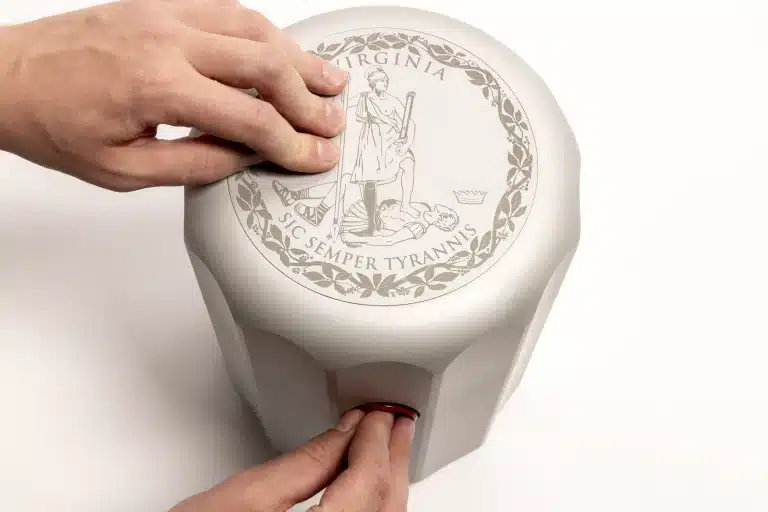
The capsule uses Portland limestone from the historic plinth of the George Washington statue in London. Foster’s team previously restored that plinth during a specialized construction effort. Its façades feature thirteen six-pointed stars from George Washington’s Headquarters Flag. This references the original thirteen states. The design merges reclaimed building materials with historical symbolism. It reflects an approach that integrates sustainability and collective memory.
Contents Documenting the Present for the Future
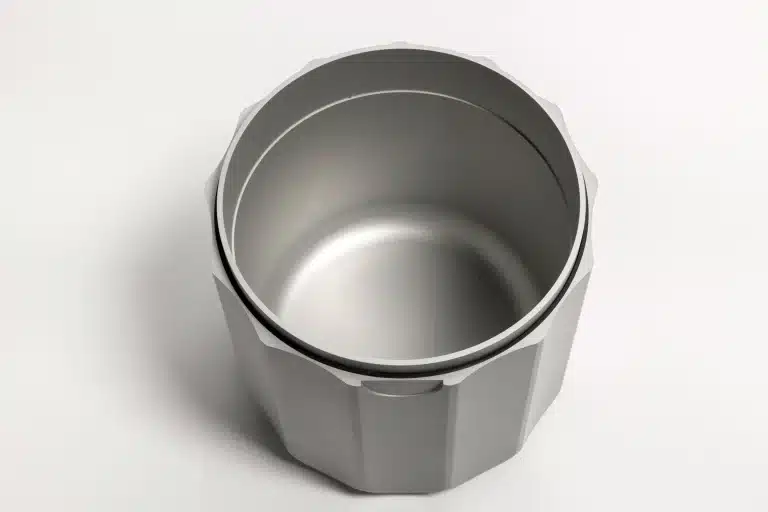
Inside the time capsule for the 250th anniversary, curators placed artifacts representing today’s America and its future. These include winning entries from Virginia’s Expressions of Freedom student design competition. They also include official letters from U.S. and U.K. leaders. Soil samples from Sulgrave Manor the ancestral home of the Washington family are included. Together, these items form a physical archive. This aligns with editorial standards for architectural documentation.
The interplay of time and place redefines the capsule as an architectural instrument, not a relic.

Strategic Placement Within the Urban Fabric
Officials plan to bury the time capsule for the 250th anniversary in a central site within Washington, D.C.’s cities framework. It will reopen on July 4, 2276 America’s 500th Independence Day. This long-term gesture highlights how small scale buildings shape national memory. It also engages questions explored in current research on architecture and time.
Design here acts as a conduit between past and future, not just an enclosure.
As nationwide preparations accelerate for 2026, Foster’s work stands out. It combines interior design, material narrative, and civic meaning. The architecture platform tracks such projects in its evolving archive. The time capsule for the 250th anniversary thus participates actively in public discourse on history and space.
Architectural Snapshot
The time capsule is not a vessel for the past but a compass for future civic identity.
✦ ArchUp Editorial Insight
This project is the logical outcome of symbolic diplomacy combined with institutional risk management and long-horizon national branding. The decision to frame a time capsule as an architectural act precedes any concern for form. Cross-border material sourcing reflects soft-power continuity rather than material necessity. Procurement choices prioritize legitimacy, heritage verification, and curatorial authority over innovation. Regulatory timelines tied to a fixed national anniversary eliminate flexibility, forcing durability and low operational-risk strategies. Cultural pressure to produce a unifying national narrative compresses complexity into sanctioned symbols and officially approved artifacts. The emphasis on burial and delayed reopening aligns with governance systems designed to externalize responsibility across centuries. Architecture emerges last as a stabilized container for institutional memory, shaped not by spatial ambition but by ceremonial assurance, diplomatic signaling, and the need to freeze the present into a manageable future record.