Grand Ethiopian Renaissance Dam: Engineering and Water Management

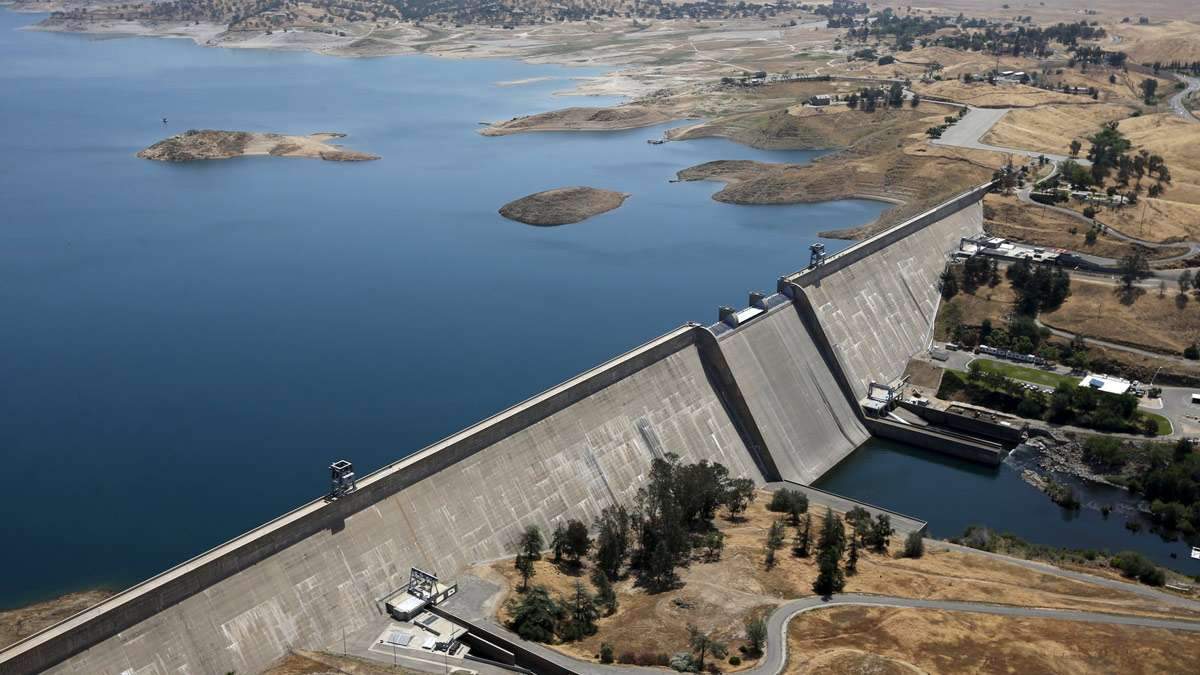
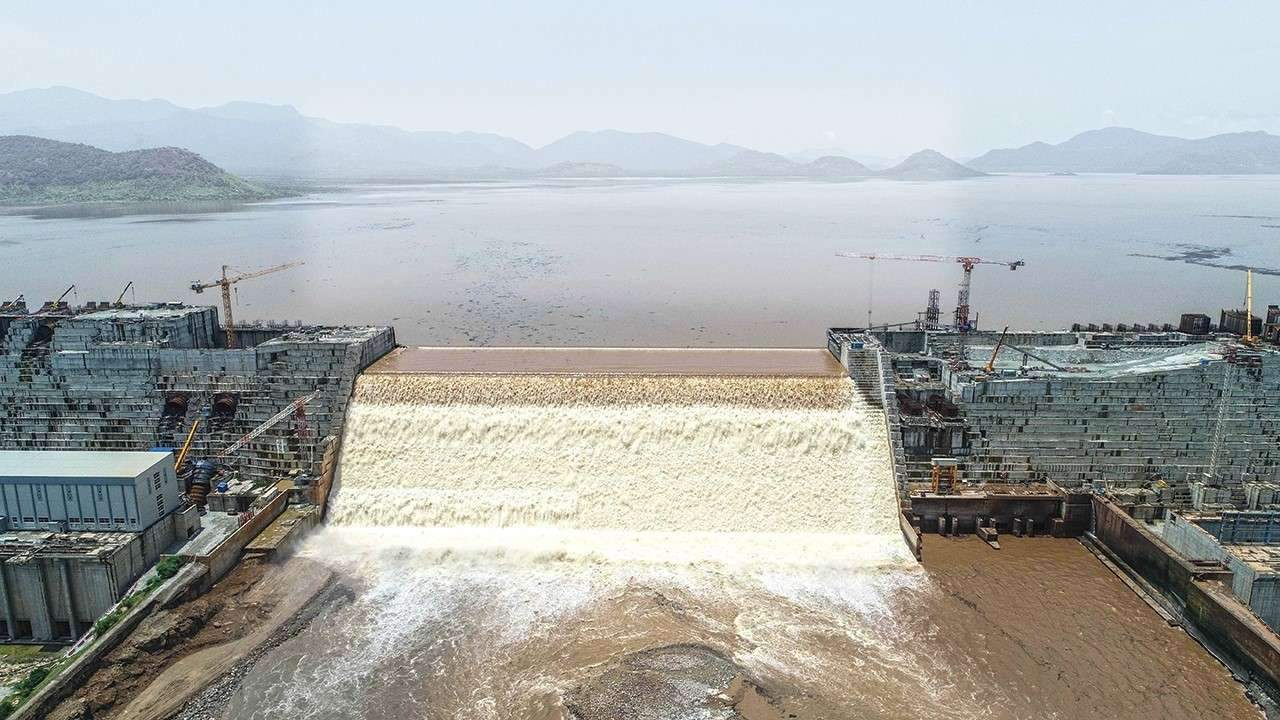
Lead image note: Its identification as the Grand Ethiopian Renaissance Dam has not been verified, so it should not be treated as a confirmed photograph of the project.
The Grand Ethiopian Renaissance Dam (GERD), on the Blue Nile in Ethiopia, brings electricity generation and shared water management into the same debate. Reuters reported its inauguration on 9 September 2025, with a generating capacity of 5,150 megawatts.
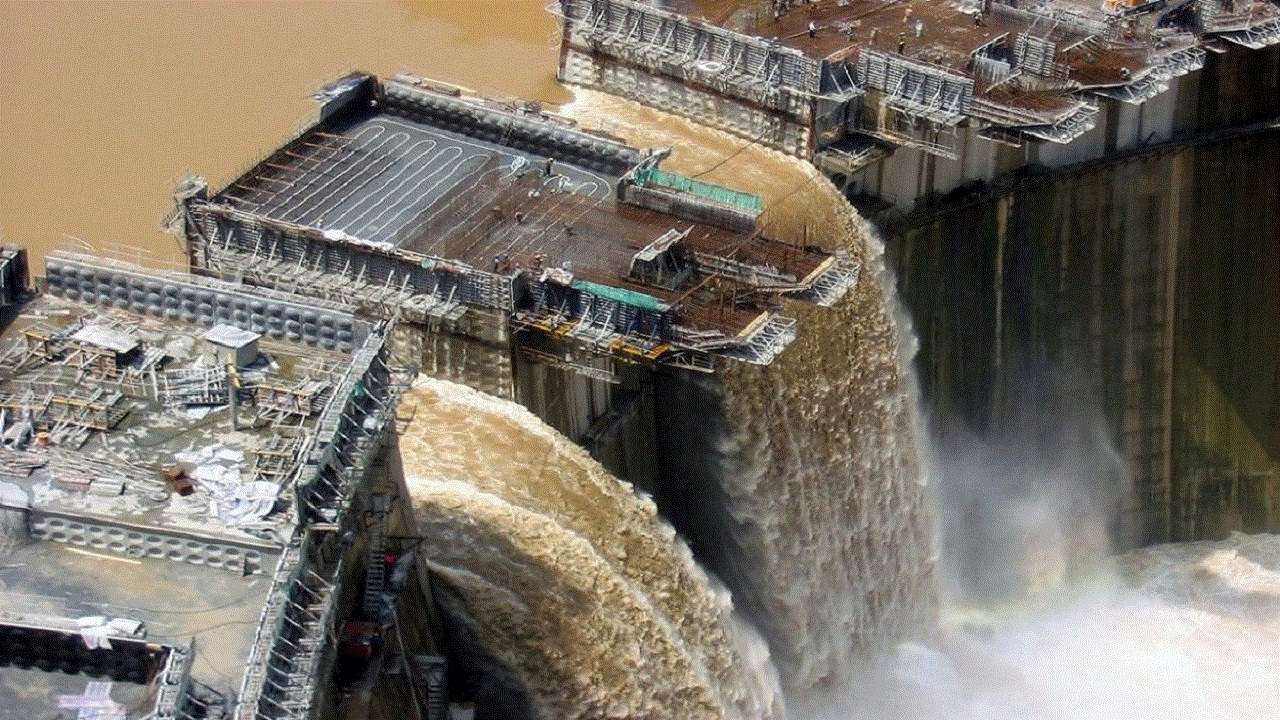
Our coverage of the dam’s inauguration places the event in the project’s development timeline. The photographs below belong to the older archive and should not be read as evidence of its condition today.
How hydropower works
As the US Department of Energy explains, hydropower uses moving water to turn a turbine connected to a generator. Available output depends on both water flow and the height difference through which it passes. A plant’s rated capacity therefore describes power, while annual generation describes energy delivered over time; the two quantities are not interchangeable.
For this article, the key engineering distinction is between building generating capacity and deciding how a reservoir will operate. A capacity figure alone cannot establish year-round output or describe water releases during dry periods. Those questions require operating records and clearly stated assumptions.
Water management beyond the structure
Reservoir operation matters to communities beyond a project boundary. In editorial terms, a useful account should ask what data are shared, how dry periods are addressed and how operating decisions are communicated. The archive’s discussion of dams from an architectural perspective offers a broader lens on infrastructure and its relationship with water and landscape.
Reading specifications and assessing safety
Specifications from different development stages need to be distinguished, as do rated capacity and actual generation. Assessing structural safety or operating lifespan requires project-specific evidence; isolated figures and general photographs cannot establish either.
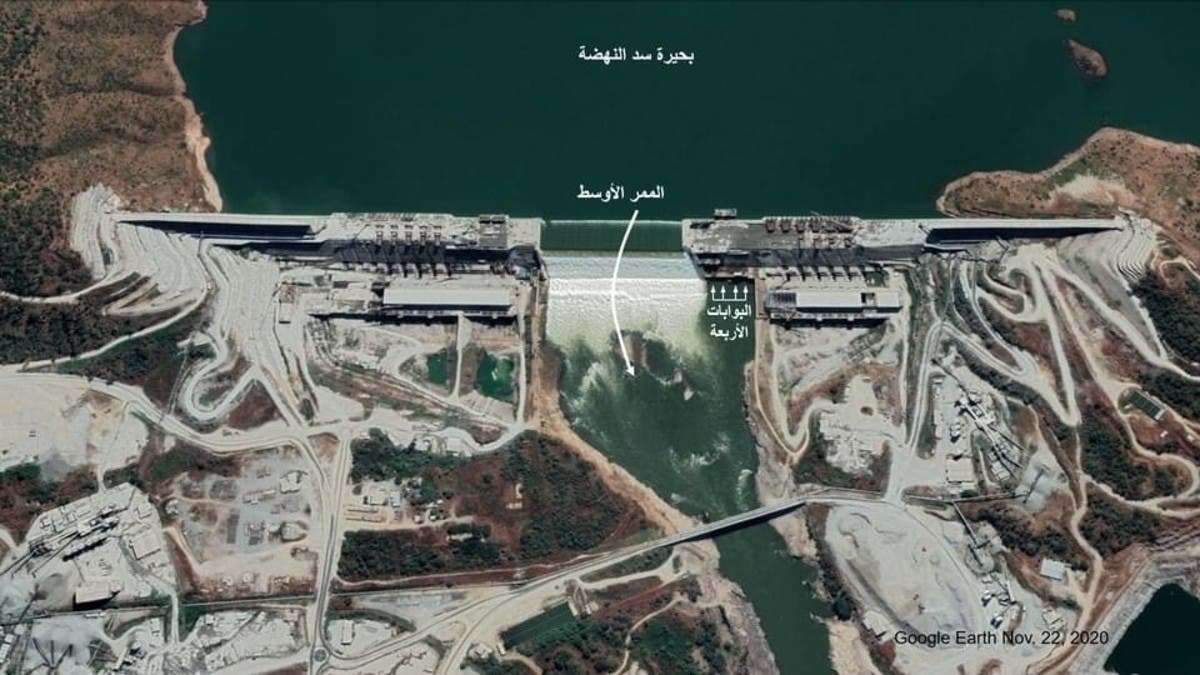
A defensible project-specific assessment would need traceable engineering documentation and qualified review. Archive photographs and political assertions cannot substitute for such evidence.