Interactive Architecture: Cultural Building Project in Dubai 2026

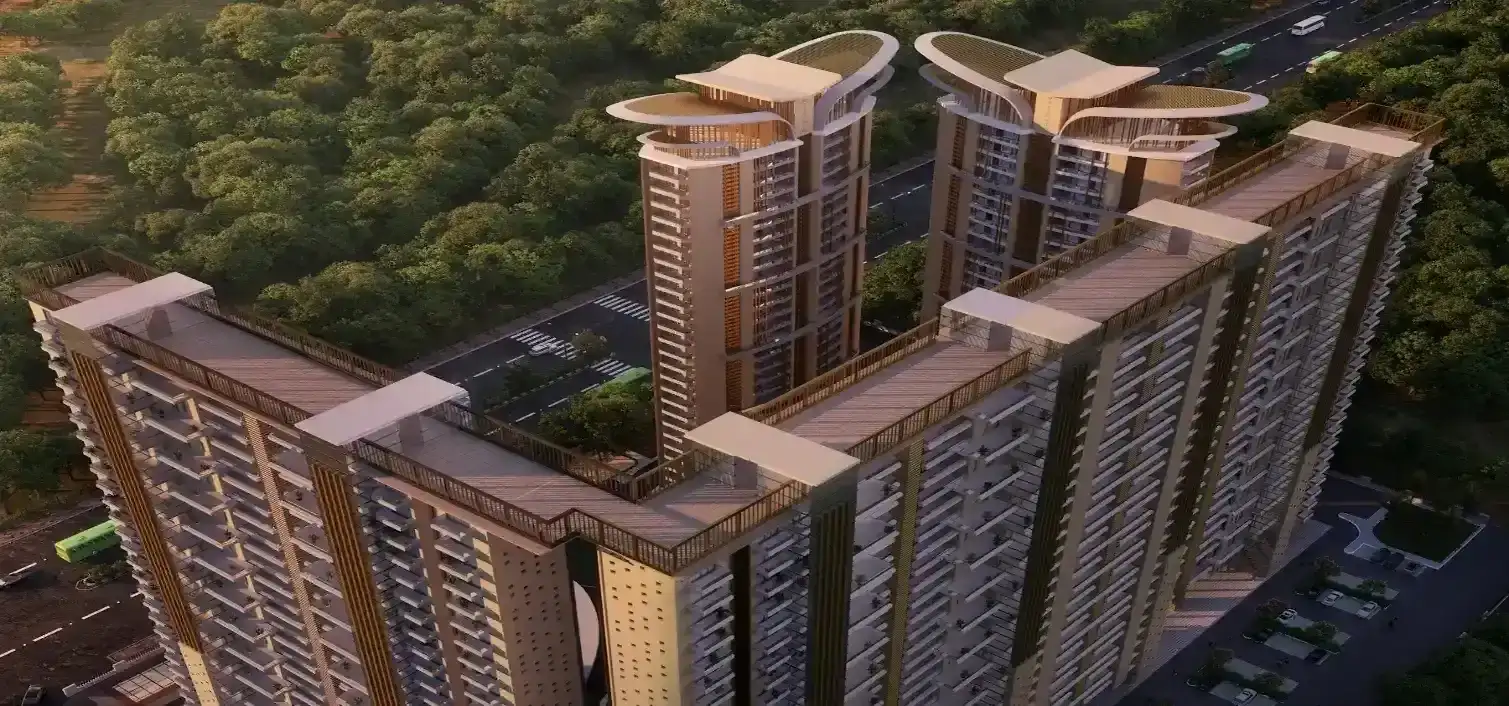
Dubai continues to explore the potential of interactive architecture through a new cultural building project that relies on advanced technologies to interact with users and the environment. The project aims to provide a sensory experience that connects movement, light, and visitor behavior while maintaining the building’s core functions. This initiative represents a concrete step in integrating technology with modern architectural design.

Dynamic Buildings and Smart Technology
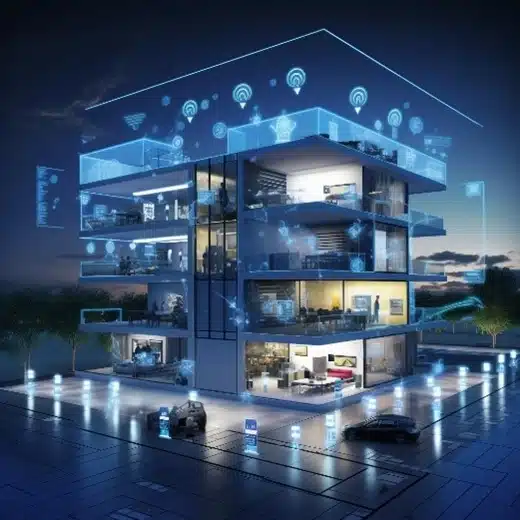
The project includes the use of buildings with dynamic features such as rotating towers, where each floor can move independently to adjust views and functions. These structures rely on advanced building materials including glass and steel to create facades capable of adapting to light and temperature changes. In addition, smart systems integrate adaptive lighting and sensors to enhance daily user experience and ensure that the building responds effectively to varying environmental conditions.

Visitor Interaction
Certain areas of the building are designed with sensory facades that react to visitor movement, changing light and colors according to surrounding activity. This approach turns visitors into active participants within the design, creating an immersive experience that connects interior design with art and engineering. These techniques are informed by research that identifies effective methods for embedding sensory responsiveness into both internal and external spaces.
Integrating Technology and the Environment
The project emphasizes sustainability by reducing energy consumption through facades that adapt to natural light, temperature, and weather conditions. The buildings employ artificial intelligence and sensors to monitor environmental factors and respond directly. This approach also contributes to more efficient construction processes and reduces the need for continuous human intervention to maintain building performance.

Global Examples of Interactive Architecture
This projects can be compared with previous initiatives such as Swarovski Kristallwelten in Austria, where facades sensitive to light and movement alter the surrounding environment for visitors. Similar projects utilize studies in architectural design to develop better strategies for interaction between buildings and users while maintaining the function of cultural and educational spaces in modern cities like Dubai.
Future Applications and Practical Considerations
The project illustrates the transition toward buildings that learn and respond to daily user needs, redefining the relationship between humans and space. Future developments suggest expanding these experiences to broader urban planning contexts while incorporating events and exhibitions within interactive buildings. It also creates opportunities for architects and jobs focused on innovation and modern technologies. The project demonstrates that integrating art, engineering, and technology can produce sensory and interactive buildings, reflecting a step forward in the global architecture platform.
Architectural Snapshot: The Dubai cultural building project exemplifies interactive architecture by integrating responsive facades, dynamic structures, and environmental sensors to create an adaptive and immersive user experience.

✦ ArchUp Editorial Insight
Patterns in urban mobility and workplace concentration indicate repeated reliance on single-entry transit nodes, extended commuting corridors, and centralization of cultural and administrative functions. Financing models favor short-term ROI metrics, creating pressure to standardize floorplates and modular construction. Labor structures show a preference for outsourced or contract-based staffing, influencing timelines and programmatic density.
Institutional decisions codify strict zoning envelopes, height limitations, and occupancy regulations, while permitting processes prioritize risk mitigation over spatial experimentation. Insurance and safety frameworks incentivize defensive forms, buffering user activity and limiting open circulation. Cultural expectations of status and security further restrict options, favoring enclosed, monitored environments.
The logical outcome is the emergence of buildings with repetitive massing, modular floor systems, adaptive façades, and compartmentalized internal spaces, demonstrating the cumulative effect of economic, social, and regulatory constraints rather than intentional aesthetic decisions.