Inuara Tower Jewel Connecting City to Sky Downtown Dubai 2026

Inuara Tower won an international design competition and now serves as a mixed-use development reshaping downtown Dubai’s architectural landscape. The high rise reaches 210 meters and features a city-to-sky motif with a central ovoid design. This layout creates a new architectural identity, documented on the architecture platform.
Inuara Tower and the City-to-Sky Motif
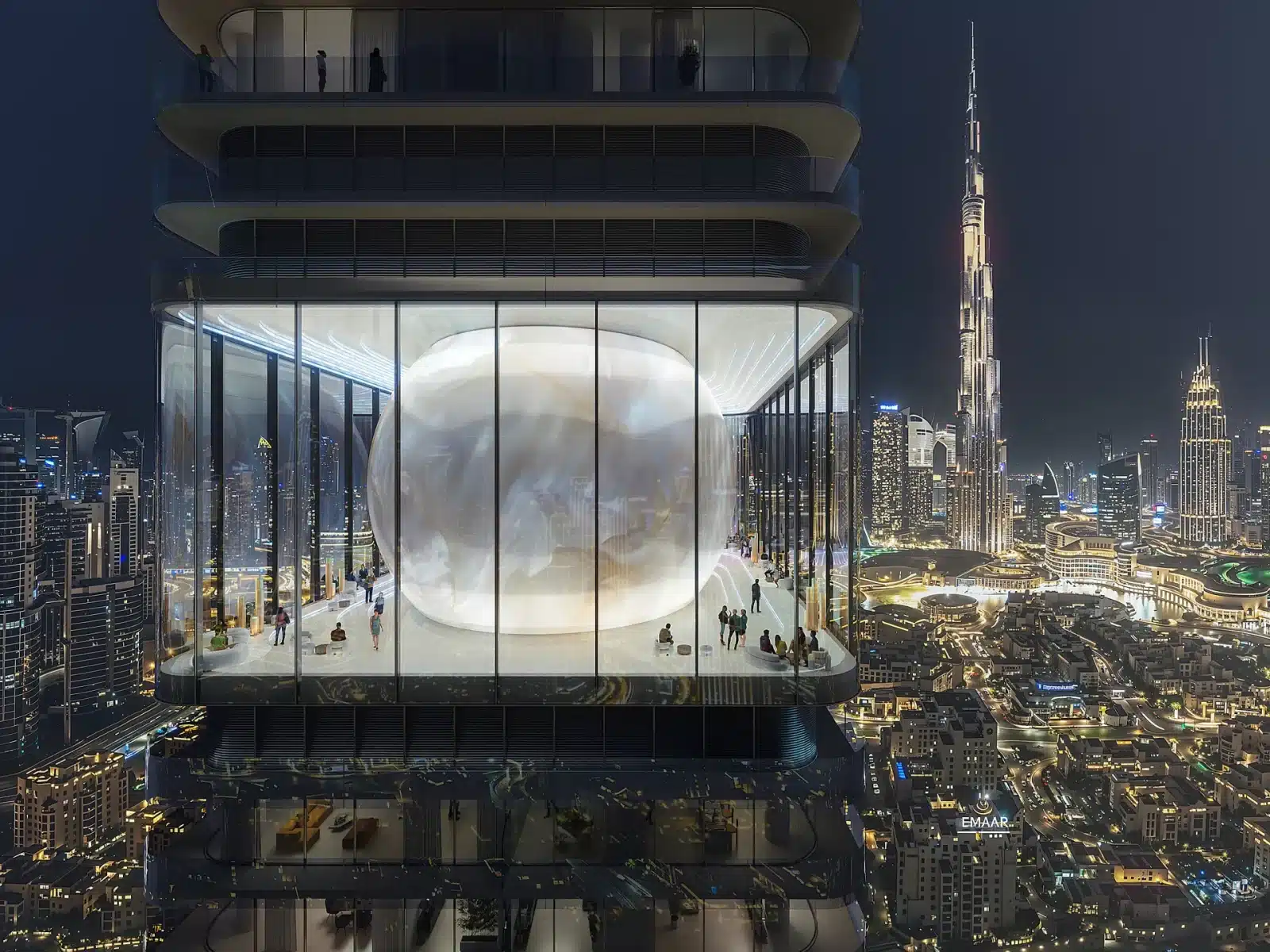
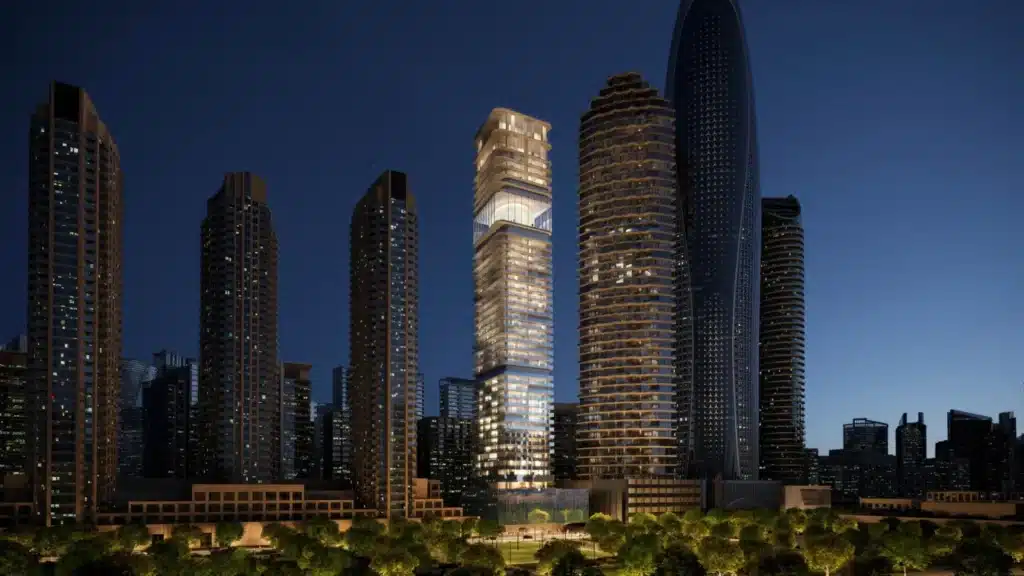
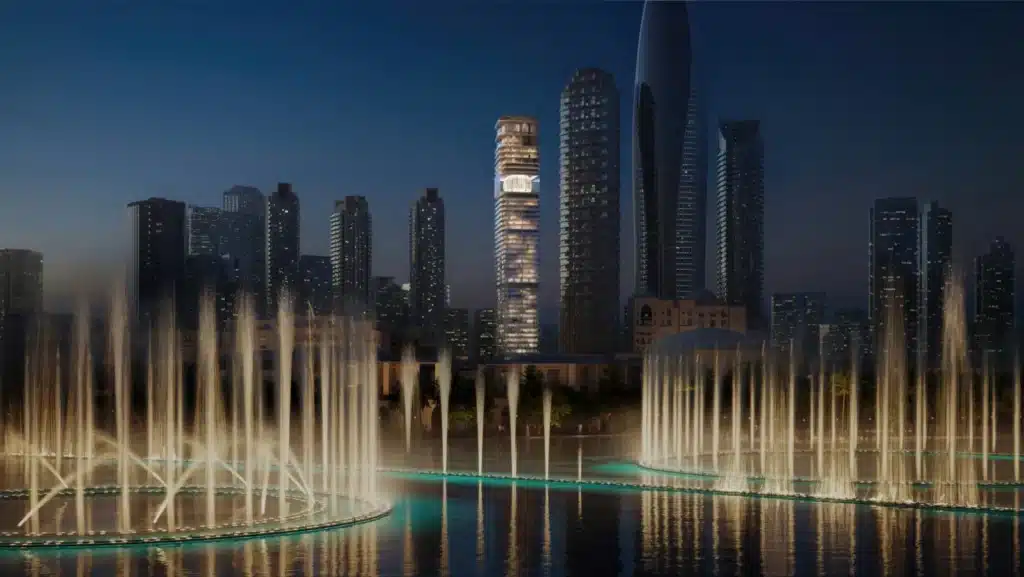
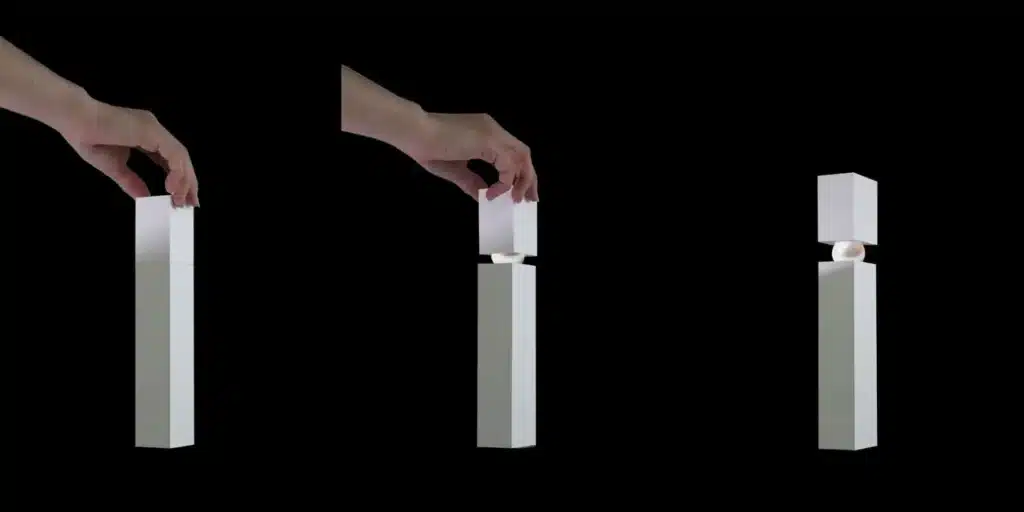
Inuara Tower interacts with Dubai’s skyline, composed of multiple landmarks. The design team aimed to attract attention without using exaggerated features. They chose a rectilinear form to contrast with nearby twisted towers. The upper portion rises to reveal a luminous ovoid resembling a pearl. It sits between floors at roughly three quarters of the tower’s height, directing focus inward. The city-to-sky motif shows a gradual vertical transformation and adds to the archive of unique projects.
The Luminous Ovoid
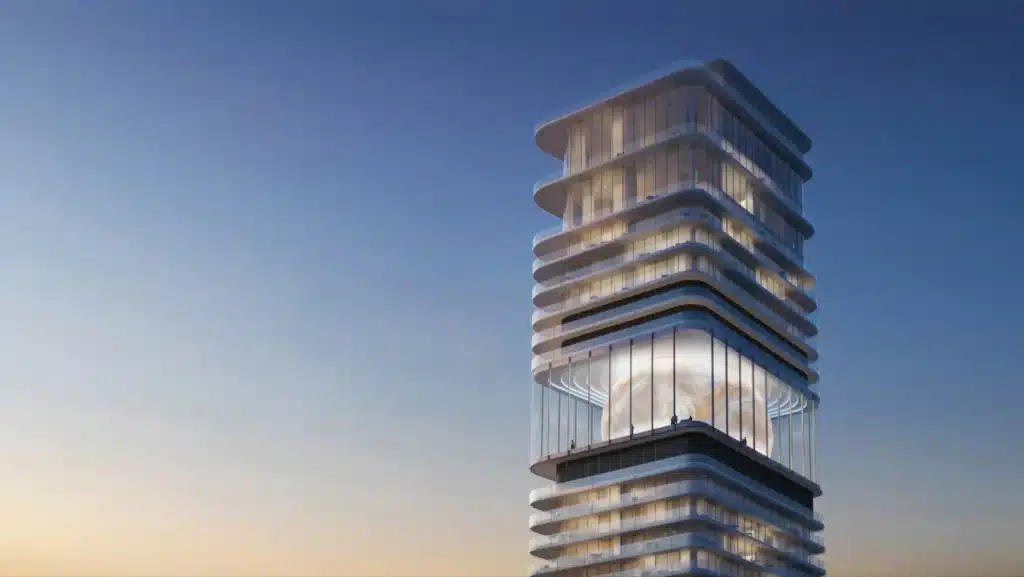
The base has sharp rectangular corners and reflective glass that mirrors the city and nearby towers in Business Bay. The ovoid houses the Sky Lounge, offering 360 degree views of Burj Khalifa, Business Bay, and the Dubai Fountain. This follows principles of interior design. Seven floors above contain residential units with open layouts, large terraces, and floor to ceiling glazing. A Sky Penthouse crowns the top, spanning three levels with six bedrooms and 17,000 square feet.
Facade Engineering
Inuara Tower facades withstand harsh Middle Eastern conditions while maintaining visual identity. Two-meter-deep wraparound balconies act as an exoskeleton. They shade interiors and reduce cooling loads. Northern balconies flare outward to frame Burj Khalifa views. The design follows concepts in building materials and sustainability. Engineers analyzed wind effects and designed the facade to ensure performance and safety. This shows the role of construction in complex high rise projects.
Architectural Snapshot
Inuara Tower shows how vertical transitions from city to sky reshape interaction between buildings and the urban environment
✦ ArchUp Editorial Insight
The development of Inuara Tower is the logical outcome of persistent urban densification in downtown Dubai, combined with economic pressures favoring high value mixed use projects and regulatory frameworks that incentivize landmark visibility. The decision to concentrate luxury residential, hotel, and public social spaces in a vertical arrangement reflects repetitive patterns in capital allocation, risk management, and real estate return expectations, as documented in cities and construction frameworks.
Facade articulation and the central ovoid structure result from institutional codes for solar shading, privacy buffering, and thermal performance. The repetition of deep balconies and the sculptural void emerges from standard responses to environmental stressors, operational efficiency, and high-rise engineering constraints, referenced in building materials and sustainability.
The placement of the Sky Lounge, upper residences, and Sky Penthouse demonstrates predictable social assumptions about exclusivity, status, and panoramic visibility, enforced by regulatory and financial instruments. The tower’s geometry, material choices, and vertical zoning are therefore a direct manifestation of economic, cultural, and technical pressures rather than purely aesthetic intent, recorded in archive of recent developments.