Kenmore House: Rethinking Narrow Sites and Interior Layouts

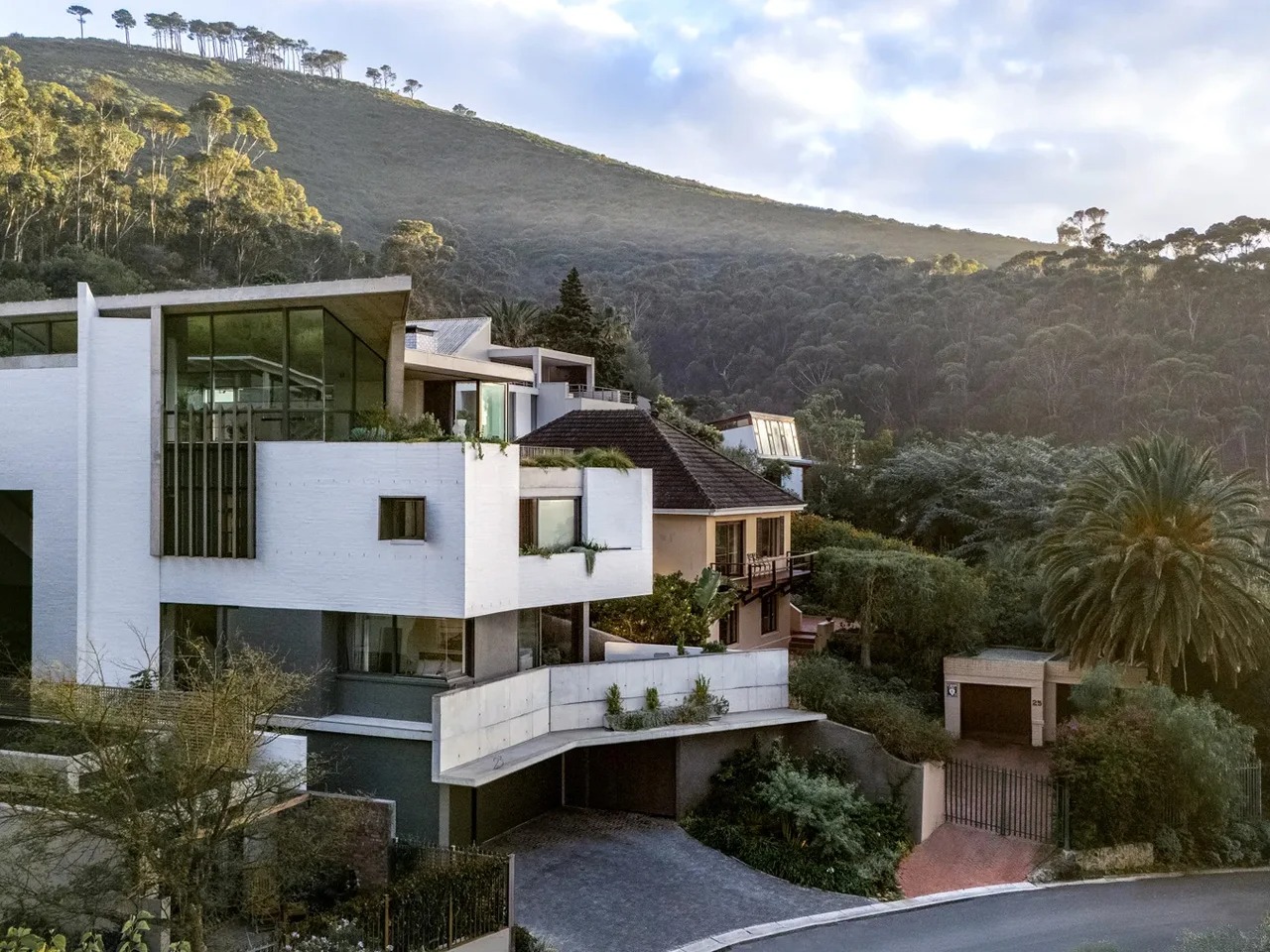
Dealing with Narrow and Sloped Sites in Architecture
When architects face a narrow and steep plot of land, it often presents a significant challenge in designing a practical and appealing residence. Many experts might avoid such sites, but specific case studies show that innovative design can turn constraints into opportunities.
Space Constraints and Their Impact on Design
For example, a plot measuring 58 meters in length and only 14 meters in width demonstrates how narrow dimensions can limit interior planning options. The maximum interior width, reaching around 7.5 meters, highlights the need for creative thinking in arranging rooms and communal spaces so that occupants do not feel cramped or confined.
Rethinking Existing Structures
Plots containing old buildings often face issues of shading and impractical space division. Removing these structures can open the way for intelligent redesigns that allow full utilization of the site.
Leveraging Terrain and Natural Views
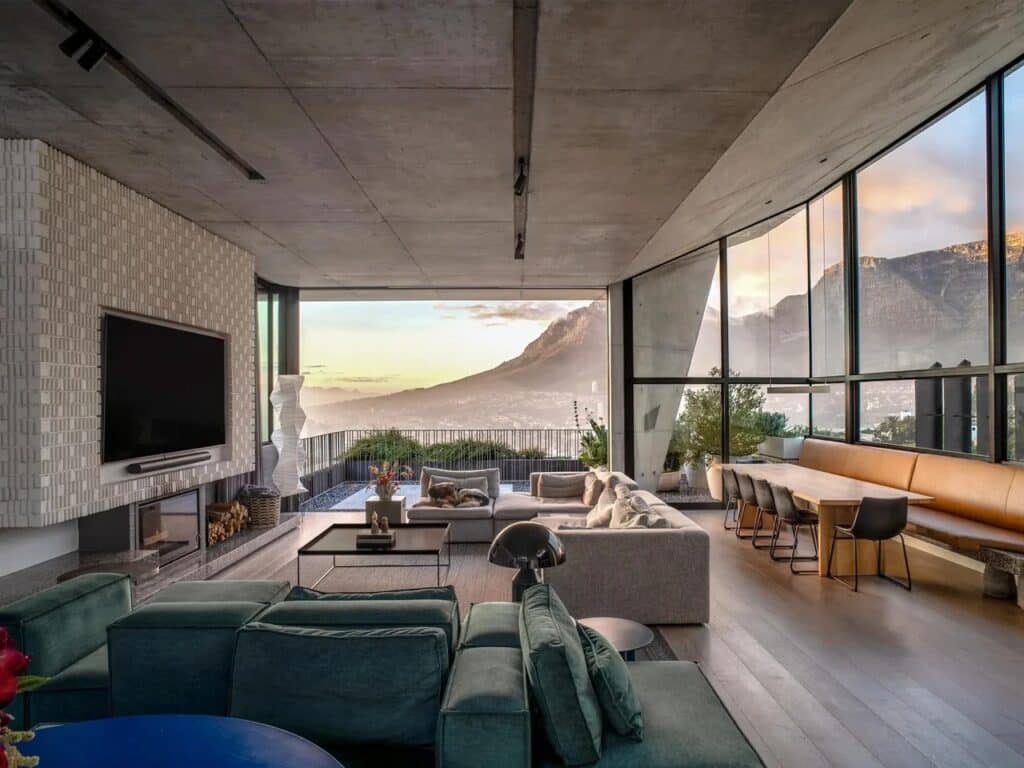
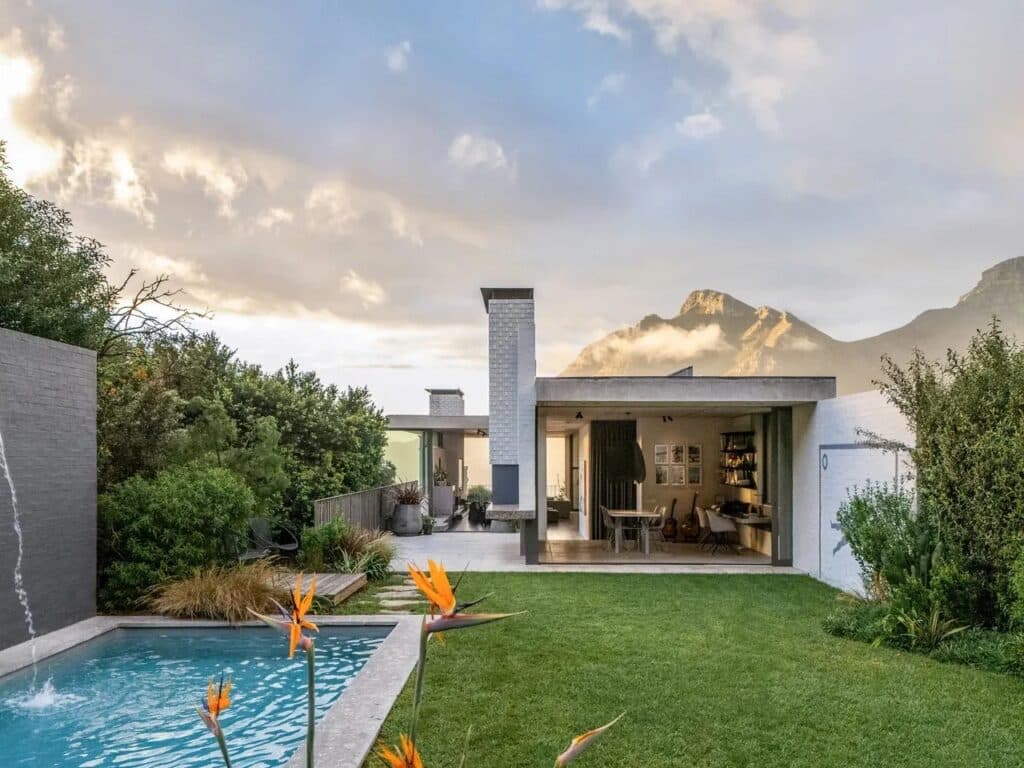
Extending terraces outward and incorporating large windows that frame the landscape can transform a house from a mere enclosed space into a comprehensive viewing experience. In this way, the design becomes not just a building but a vantage point for enjoying the surrounding environment, reflecting the architect’s ability to effectively exploit narrow terrain.
Turning Constraints into Advantages through Spatial Orientation
In architectural design, the importance of a site goes beyond its dimensions, extending to its orientation and surrounding views. When examining narrow plot cases, it becomes evident that defining the main visual axes can transform constraints into strengths. For example, the best views may be located along the shorter sides of the property, prompting the architect to organize spaces around these axes to maximize visual impact.
Design Aligned with the Site
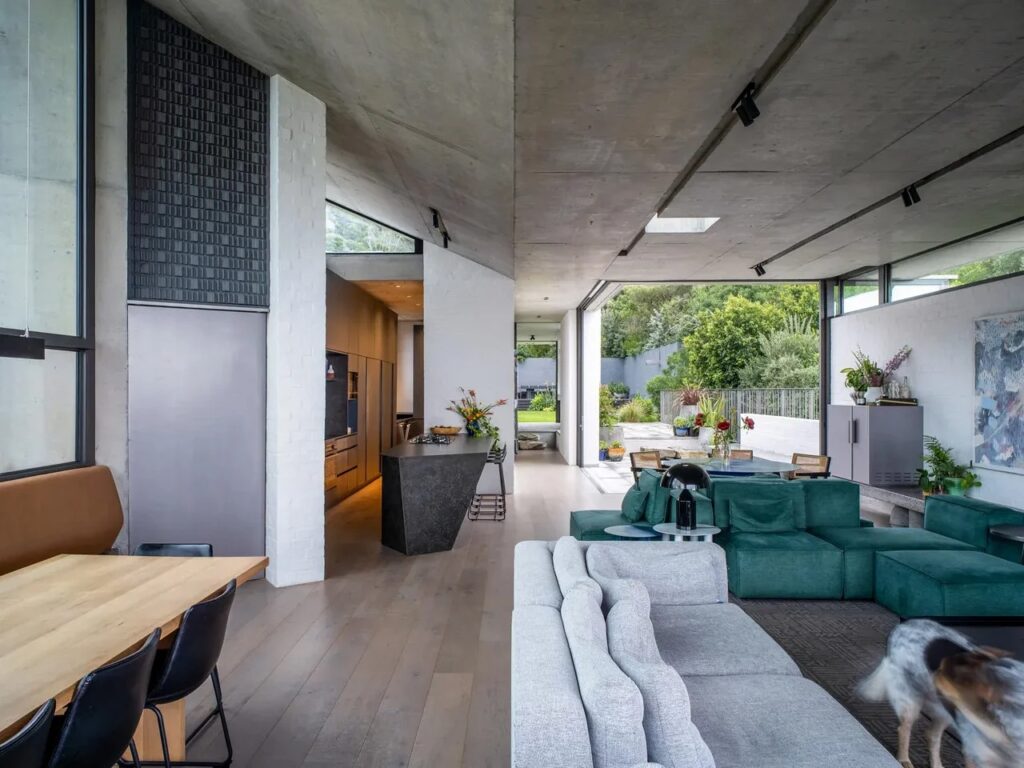
Instead of resisting the narrow footprint, it can be leveraged to guide internal movement and visual flow. In this case, the natural inclination of the design toward the footprint created an open living space that visually connects the front and back, avoiding the fragmentation that plagued previous buildings. This approach demonstrates how geometric constraints can inspire a more fluid and functional design.
Elevating Living Levels to Maximize Light and Views
Placing the main living level at the top of the house not only frames the views but also maximizes sunlight exposure, especially in sites with limited northern exposure. This strategy also allows for the creation of meaningful outdoor spaces, such as elevated gardens, which act as extensions of the home and establish a direct connection between the architecture and its surroundings, transforming the roof from a secondary idea into a central part of the living experience.
Designing Open Spaces in Narrow Environments
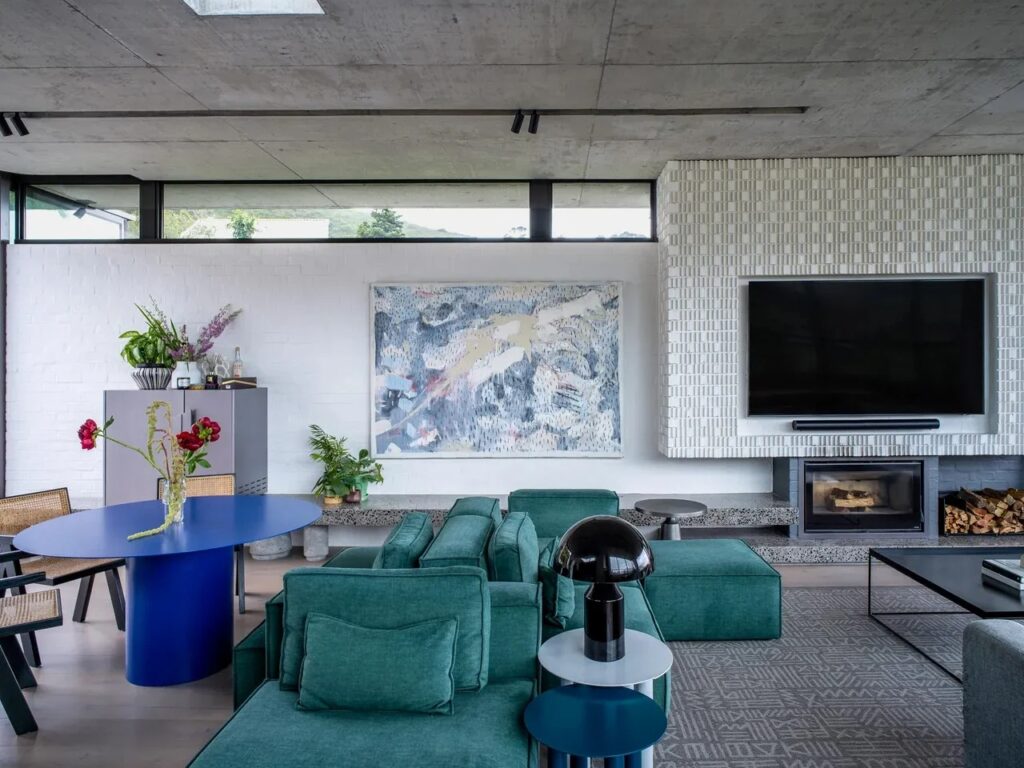
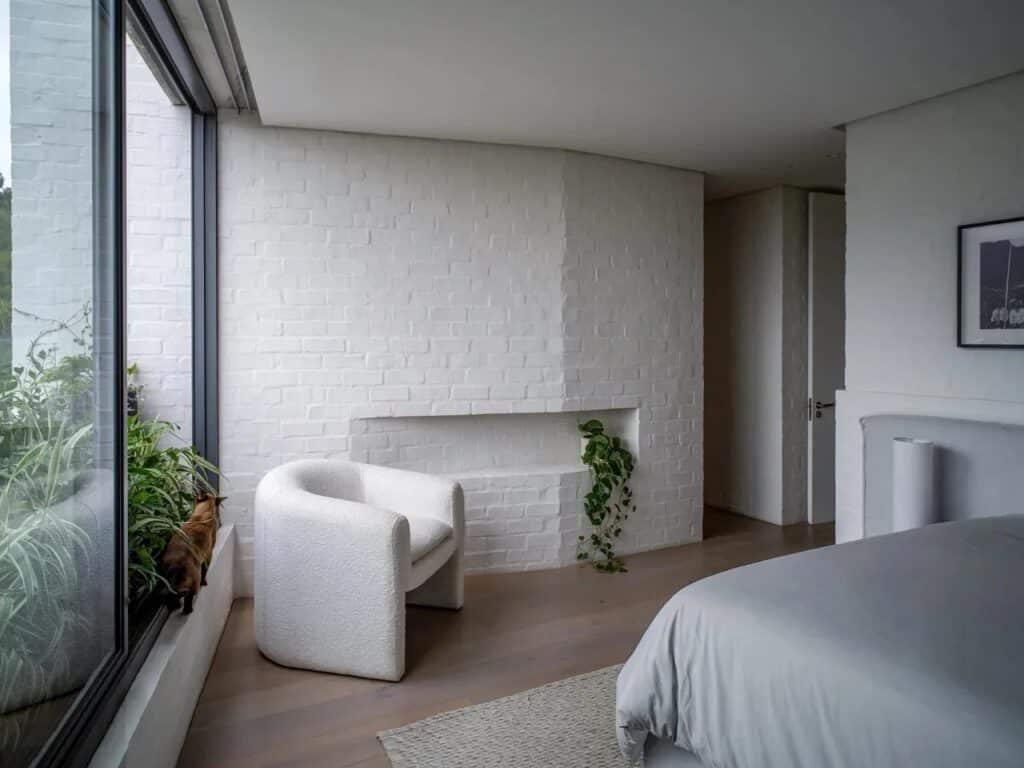
Studies of multi-level homes show that having several bedrooms does not necessarily result in a feeling of confinement or fragmentation. For instance, a house spanning three levels with five bedrooms can still achieve a sense of openness if the room distribution is carefully considered.
Fluidity versus Closed Rooms
This requires organizing communal spaces in a smooth and generous manner, avoiding the traditional impression of a narrow house as a corridor branching into small, closed rooms. This strategy demonstrates that spatial constraints do not have to limit the quality of living; instead, they can act as a catalyst for a freer and more fluid design.
Integration with Terrain as a Design Element
Additionally, designing the home to align with the surrounding terrain enhances the sense of belonging to the site. The house is not confined within the boundaries of the land but takes advantage of its natural curves and extensions, turning a narrow site into an opportunity for a unique living experience fully integrated with the environment.
✦ ArchUp Editorial Insight
Kenmore emerged on a narrow, sloped plot at the intersection of speculative land valuations and regulatory density constraints, which incentivized maximizing the building’s volume within a limited footprint. Labor costs and slow permitting processes dictated a vertically stepped programmatic solution, while sunlight requirements and the site’s limited northern exposure shifted the primary living level to the upper floor.
The spatial plan addresses these pressures by unifying shared flows along the longitudinal axis, creating a continuous corridor that balances structural compliance, light access, and adaptation to the terrain. Setbacks and terraces act as compensatory elements, satisfying zoning regulations while enhancing perceived market value.
In this way, the building becomes a tangible embodiment of capital pressures, bureaucracy, and population flow patterns, where “architecture” is viewed not as an autonomous creation but as a residual effect of underlying financing and risk management strategies.