

Kernan Residence: Where Concrete Becomes a Visual Narrative of Identity and Family

Speaking Concrete: The Journey of Transforming Material into Identity
In the world of architecture, it is rare for a traditional building material like concrete to become a visual narrator carrying themes of memory and identity. The Kernan Residence, designed by architecture firm PCG, represents an exceptional case of this transformation. Here, concrete’s role extends beyond creating the structure to becoming a living fabric that tells the story of the homeowner’s family and their personal, hands-on involvement in the construction process. Every wall, every surface, and every step on the staircase becomes a chapter in a unique architectural narrative, creating a home where the structure itself is an expression of identity.
(Facade and Visual Identity)
The Sculpted Facade: A Dialogue Between Concrete and Bamboo
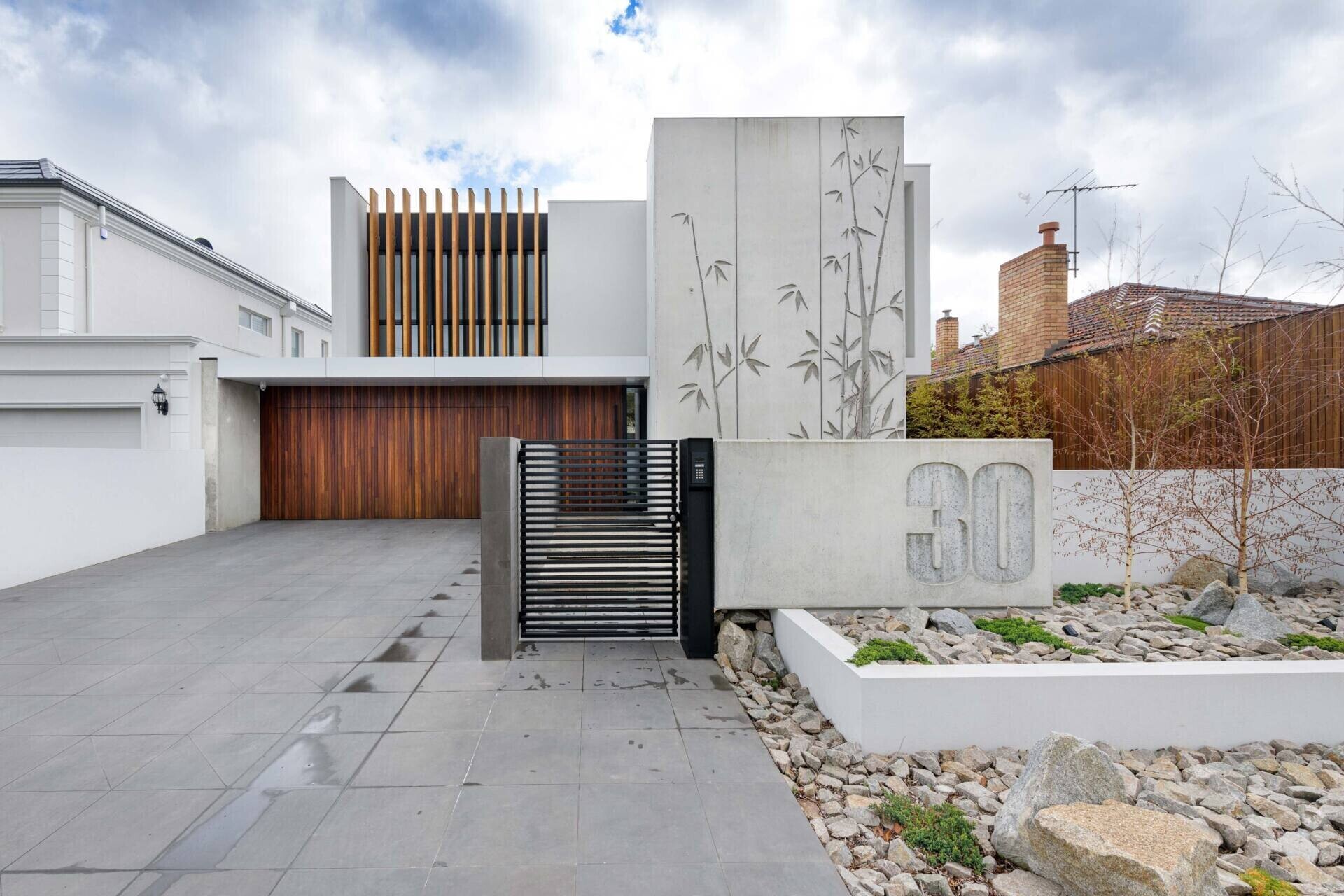
Tilt-up concrete panels, embedded with bamboo impressions, form the primary visual identity of the home. This technique not only gives the facade a unique sculptural character but also establishes a continuous dialogue between the industrial roughness of raw concrete and the innate organic grace of the bamboo patterns. This intentional fusion not only achieves a unique aesthetic balance but also creates a sense of heritage and nature, carved directly into the building’s envelope, setting the foundation for a design language that resonates in every corner of the dwelling.
(Interior Spaces and User Experience)
Connected Volumes: Light and Height Transform Sensory Perception
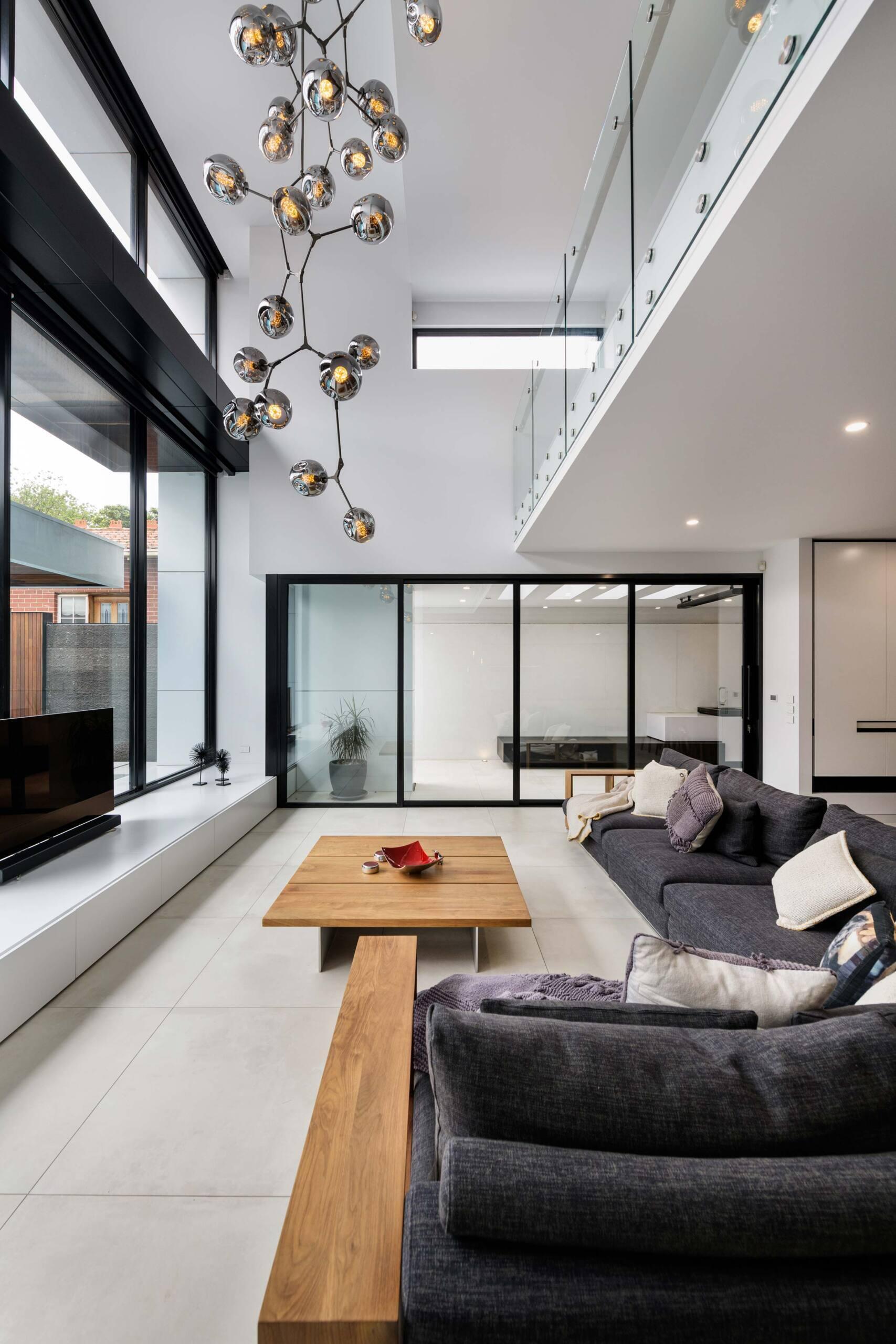
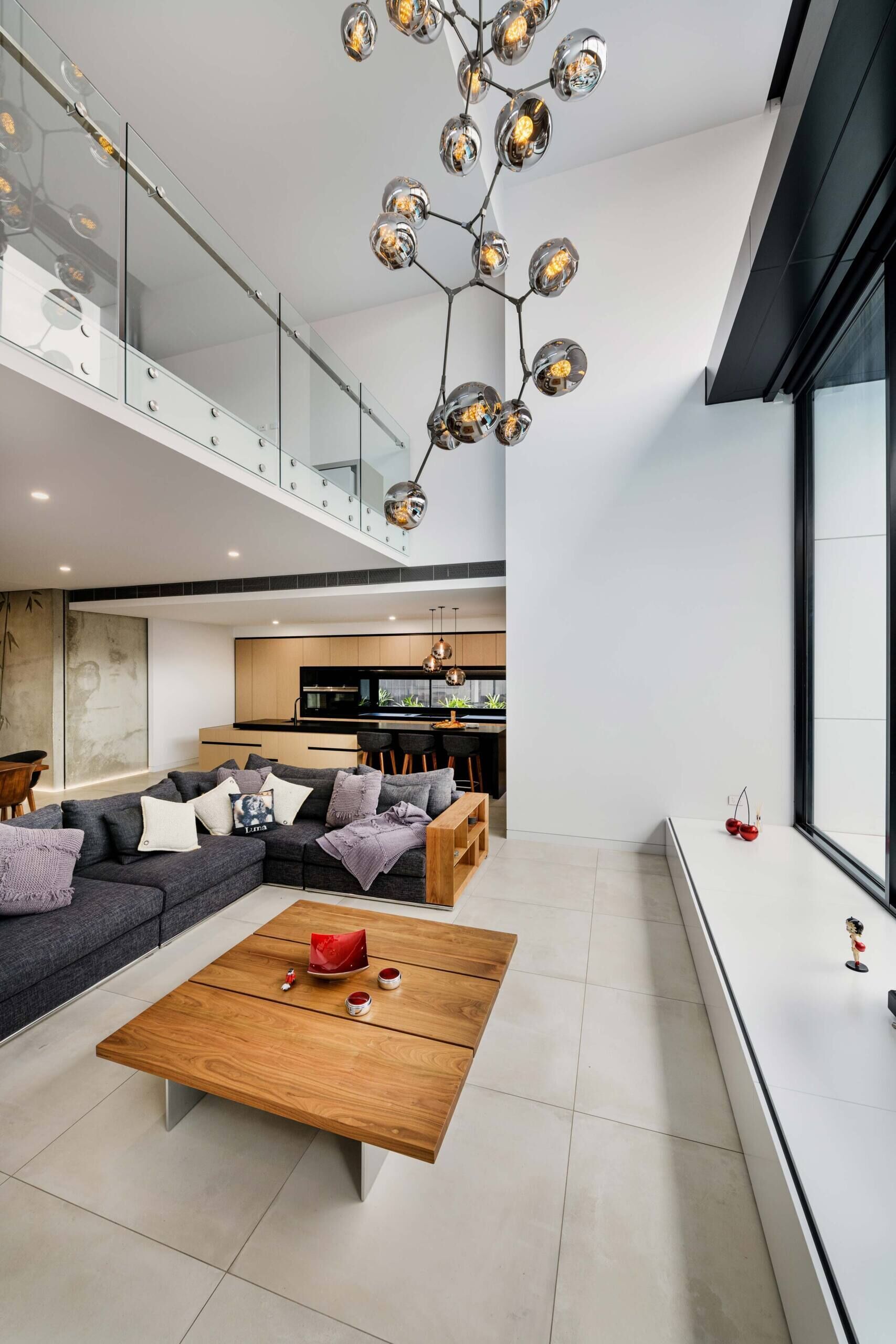
Inside the home, the double-height living space redefines the concepts of flow and connection. By linking the ground floor to the first floor, this space not only creates a sense of expansiveness but also acts as a main channel for natural light. Light floods in, softening the concrete surfaces and transforming the feeling of material density into a comfortable and vibrant visual experience. Large architectural openings open directly onto the courtyard and exterior pools, enhancing natural ventilation and ambient lighting while creating a continuous visual and physical connection with the natural surroundings, blurring the traditional boundaries between inside and outside.
(Interactive and Sensory Elements)
Water Reflections: Bringing Concrete to Life Through Movement and Nature
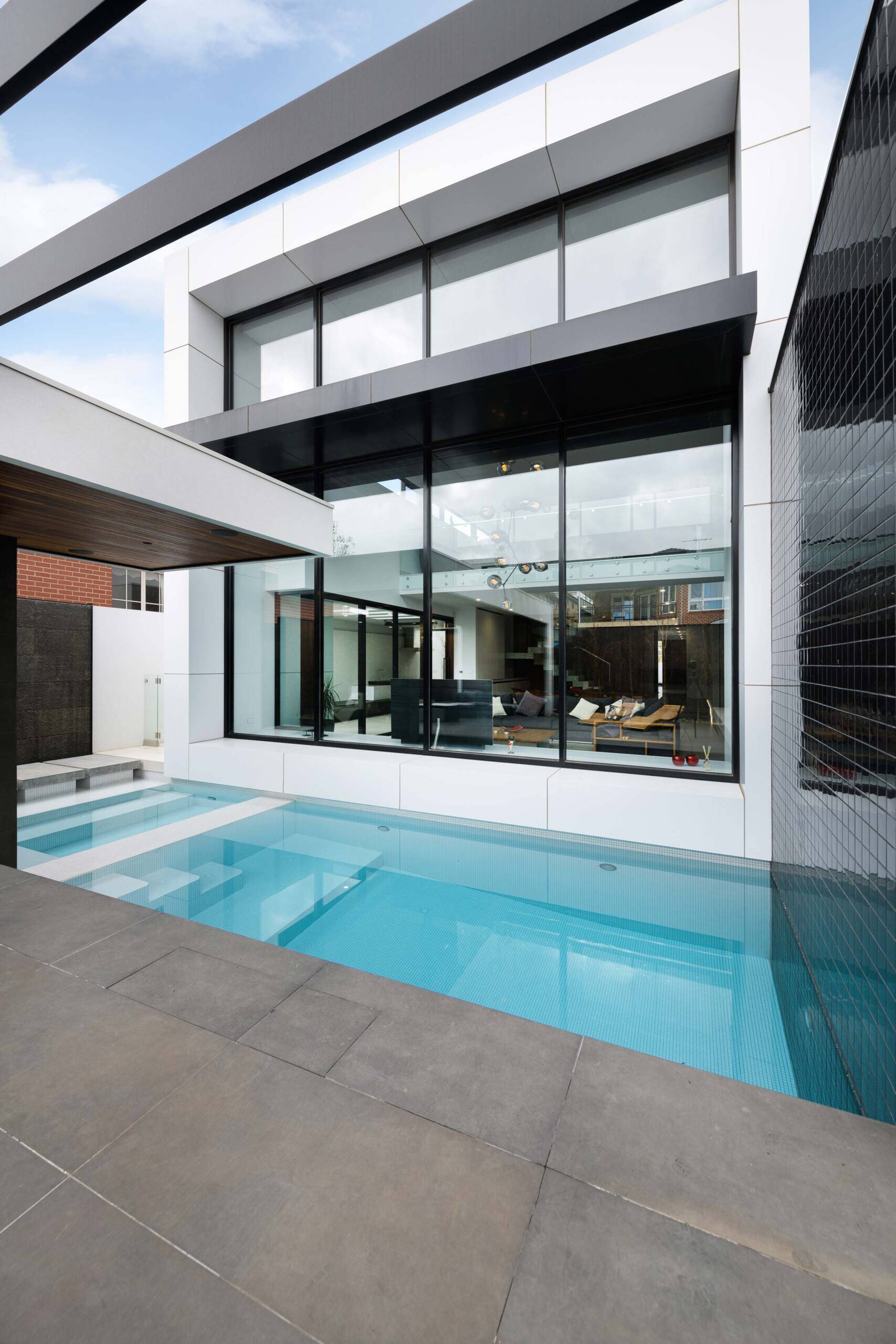
The element of water plays a central role in enriching the sensory experience within the home. The moving reflections of light from the swimming pool on the interior concrete walls create a dynamic, ever-changing canvas of shadows and light patterns. This constant interaction between the liquid and solid elements adds not only a mesmerizing aesthetic dimension but also deepens the sense of calm and contemplation, transforming the dwelling into a living entity that interacts with the natural elements around it. The pool becomes a visual and conceptual extension of the architectural structure.
(Functional Spaces: Kitchen and Study)
The Kitchen: A Monument to Precision and Functionality
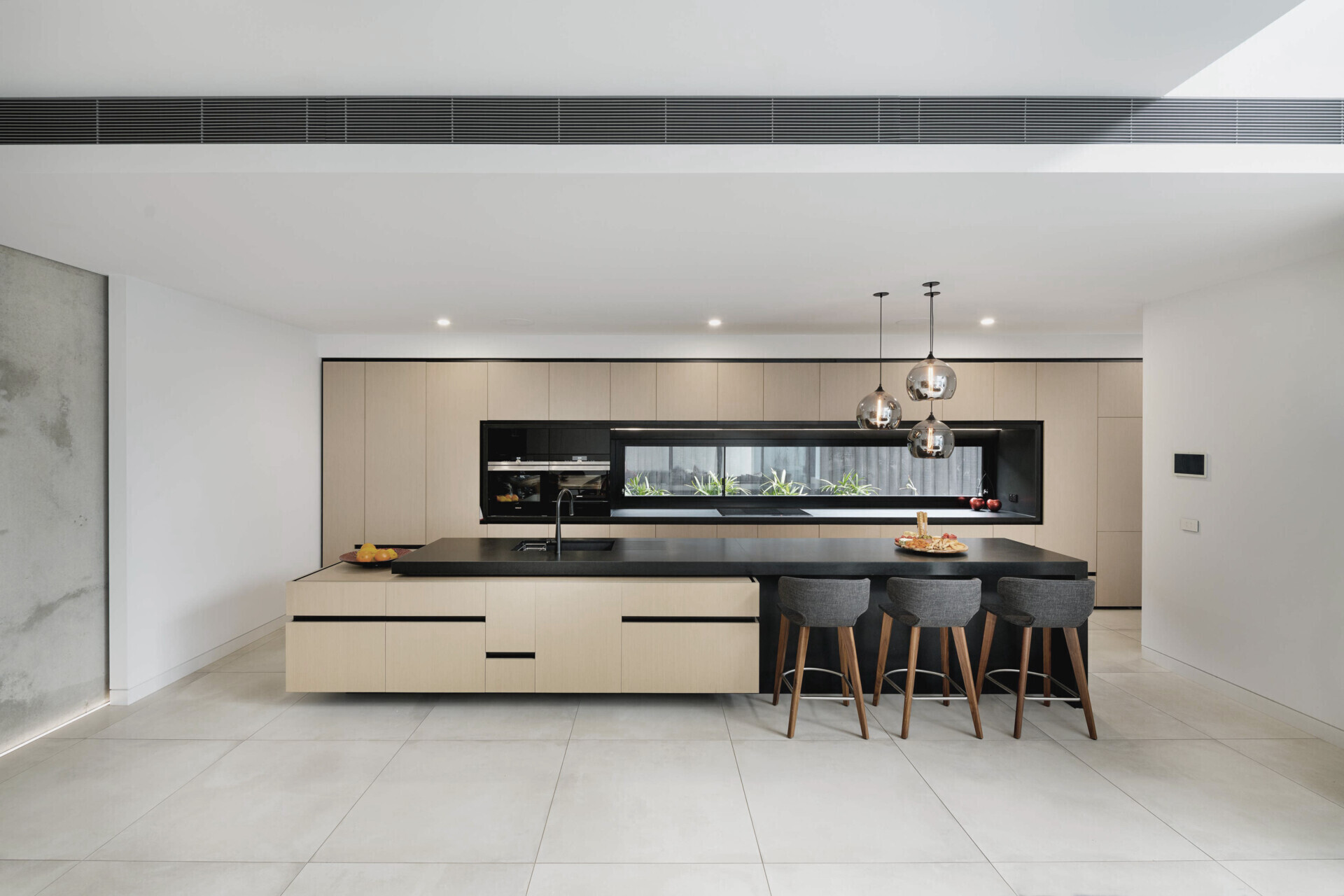
The kitchen continues the overall design theme of the home by focusing on functional precision and aesthetic restraint. The central island, with its light-colored cabinetry, stands in visual dialogue with the robustness of the surrounding concrete structure, creating a beautiful contrast between apparent strength and intended gracefully. The fully integrated appliances and suspended glass lighting maintain sleek, uninterrupted lines, while a strategically placed horizontal window provides additional natural light and serene views of the surrounding greenery.
The Home Study: Clarity and Inspiration in the Workspace
The home study presents a model for a work environment that combines mental clarity with sensory inspiration. Polished concrete floors reflect the soft daylight filtering through full-height glass windows, creating a sense of openness and connection to nature. These windows frame curated views of bamboo fronds and exterior wooden screens. Simple white cabinetry and built-in shelves maintain a distraction-free work environment, focusing on the tranquil, light-filled atmosphere, resulting in a stimulating workspace that makes one feel part of nature while maintaining deliberate, focused design.
(The Staircase as a Centerpiece)
The Floating Staircase: A Masterpiece Challenging Structural Expectations
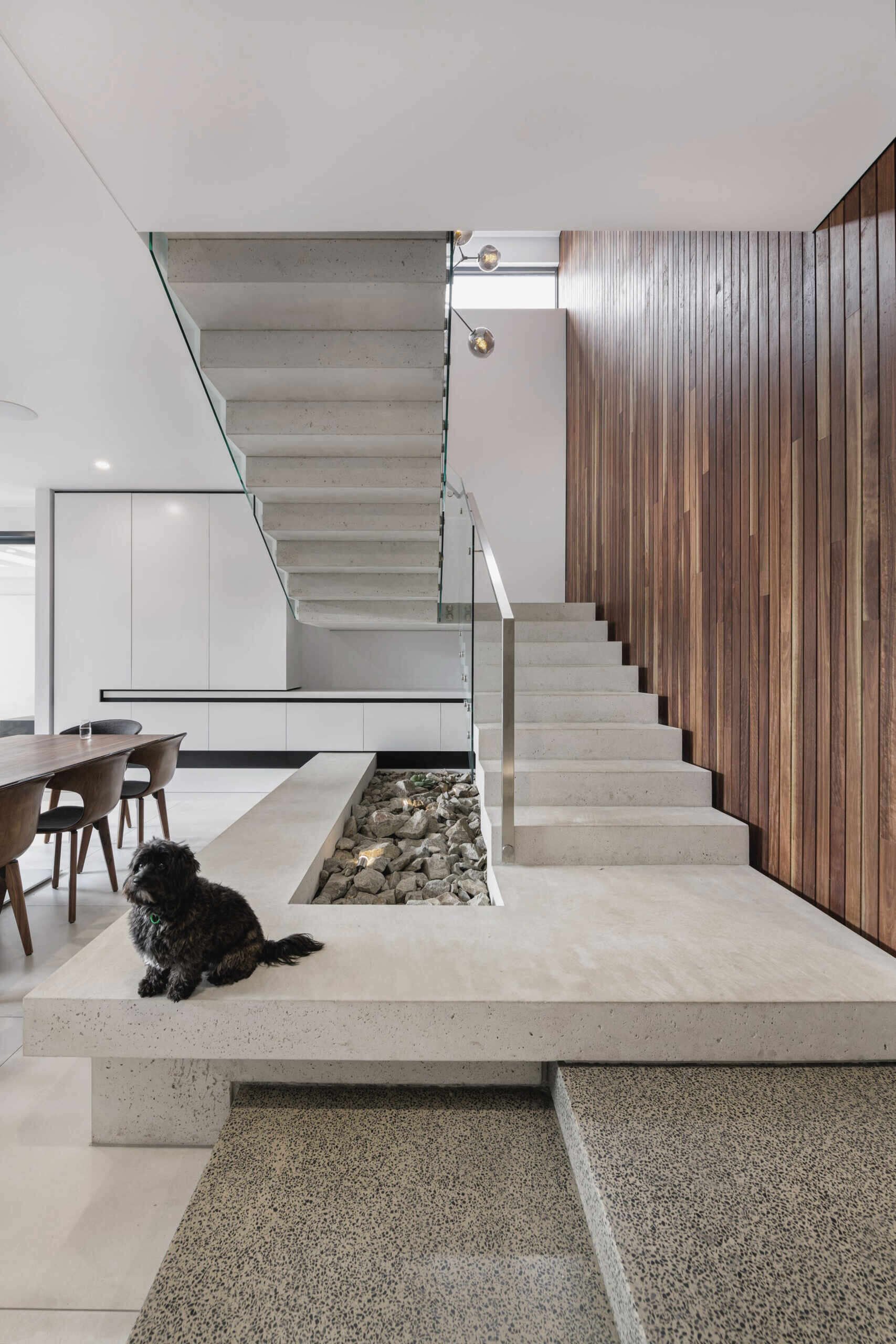
The white concrete staircase with a floating appearance stands at the heart of the home not merely as a means of vertical circulation, but as a pivotal structural art piece. This design element embodies the fundamental contradiction that defines the entire project’s philosophy: structural weight that appears light, and solid material that gains visual fluidity. The execution of such an element requires exceptional craftsmanship and precise engineering, making it a testament to the unlimited potential of concrete when met with architectural creativity.
(Private and Intimate Spaces)
Bedrooms and Bathrooms: The Intimate Quiet of Concrete
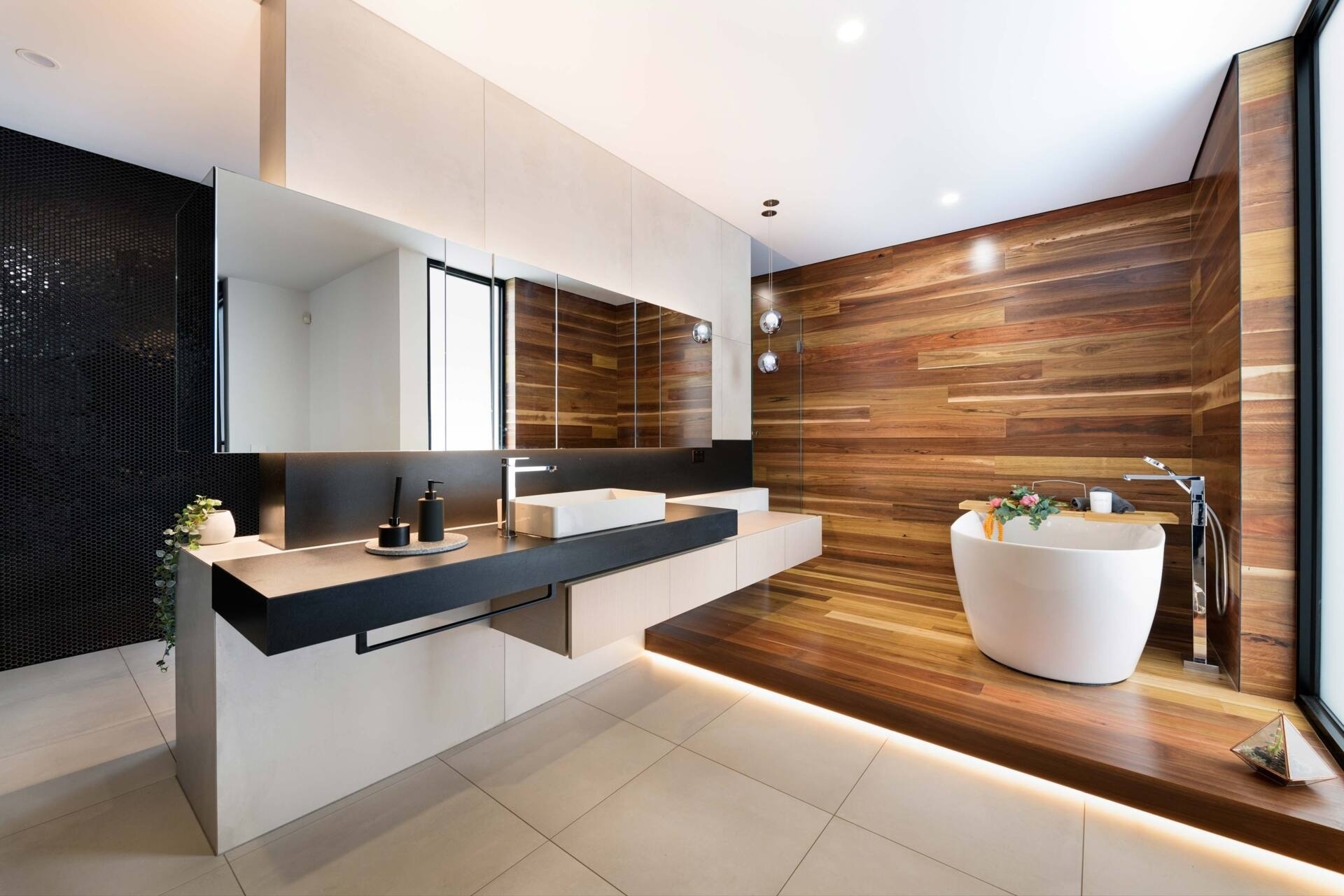
In the more private spaces of the home, concrete adopts a quieter, softer character. Here, polished concrete finishes meet warm, soft wooden tones, reaffirming the entrenched design principle of “Truth to Materials.” Light and shadow remain in constant, calculated motion across these surfaces, maintaining the dynamism and vitality of these intimate spaces even in moments of complete stillness, creating immersive, comfortable, and personal atmospheres.
(Conclusion)
A Legacy in Concrete: When a House Tells the Story of Its Inhabitants
The Kernan Residence remains a profound architectural study in how to transcend the structural function of materials to achieve a narrative and identity-forming dimension. Every design decision in this project is subject to enhancing the narrative of the residents and their emotional connection to the place, merging artisan skill with deep architectural concept. The project confirms that true architecture lies not only in shaping spaces but in its ability to contain memories and express identity, proving that concrete can be a vessel for memory and emotion just as it is a framework for dimensions and forms.
✦ ArchUp Editorial Insight
The Kernan Residence project delves into transforming concrete into a narrative medium expressing the occupants’ identity. Through an architectural reading, the predominant use of tilt-up concrete panels in the exterior and interior design raises questions about the design’s flexibility and its potential for future adaptation. Furthermore, the near-total reliance on raw concrete in intimate spaces may fail to provide the desired sensory warmth in such volumes without significant dependence on natural elements and the strategic management of light as a compensatory measure. However, the project’s strength shines in its treatment of the relationship between interior and exterior. The design achieves an exceptional visual and physical integration through the extensive openings and the double-height living space, creating a persistent sense of connection to nature and effectively expanding the perceived limits of the interior space.
Brought to you by the ArchUp Editorial Team
Inspiration starts here. Dive deeper into Architecture, Interior Design, Research, Cities, Design, and cutting-edge Projectson ArchUp.


