La Maraude and Quiet Architecture in Quebec

Non-Spectacular Architecture and Project Context
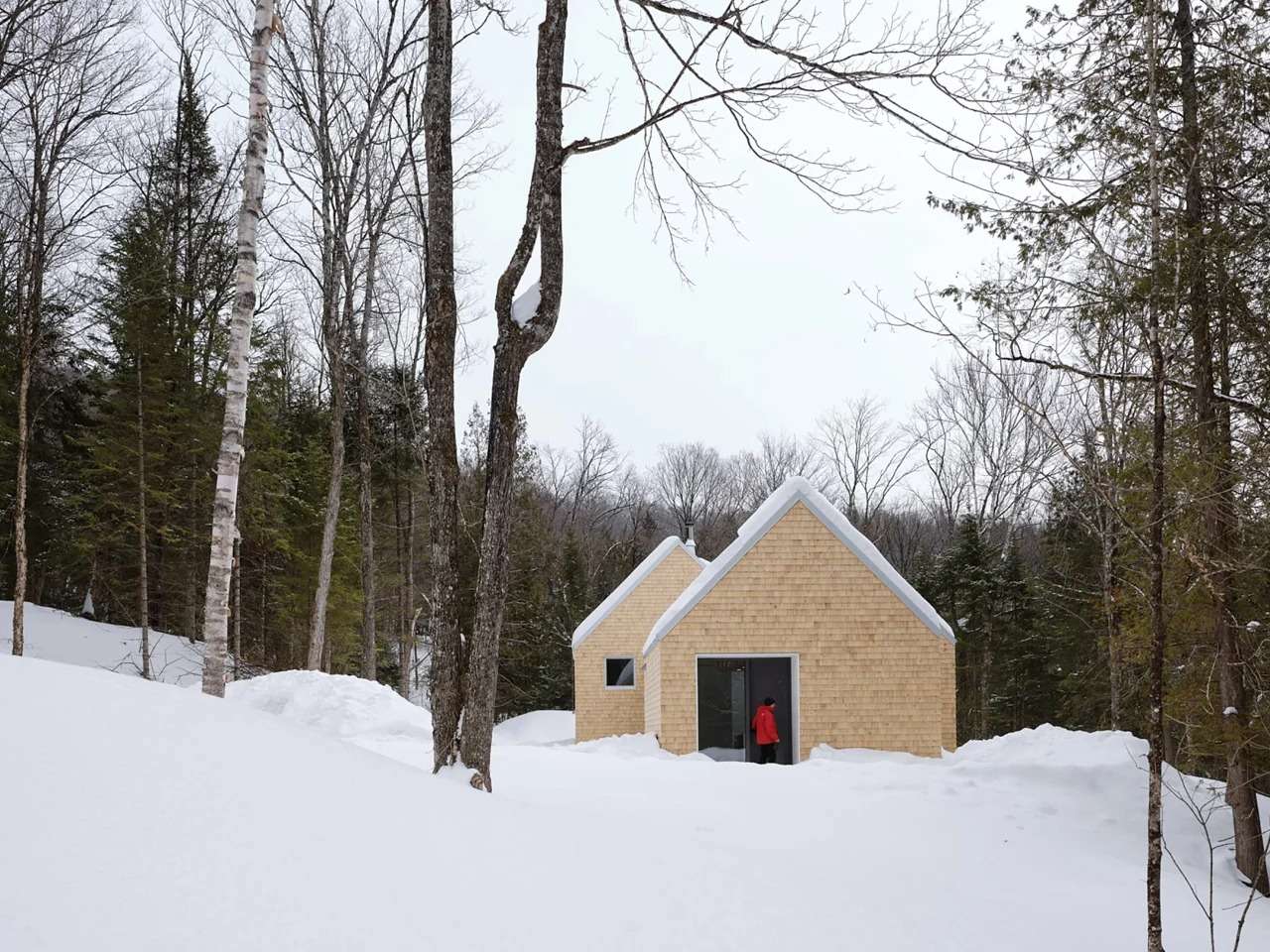
The project La Maraude, designed by Nathalie Thibodeau Architecte, represents a form of architecture that does not rely on visual spectacle. Located within the dense woodlands of Boileau in the Outaouais region of Quebec, the residence establishes its presence through restraint rather than overt formal expression. Completed in 2024, the project emerges within a residential context that treats nature as the governing framework of the architectural composition.
The Meaning of the Name and Relationship to the Site
The name “Maraude” carries connotations of wandering and searching, reflecting the relationship between the building and its natural surroundings. Rather than functioning as an isolated symbolic gesture, the name subtly suggests the way the project interacts with the surrounding forest, where the site itself becomes essential to understanding the broader architectural idea.


Spatial Positioning and Orientation of the Interior
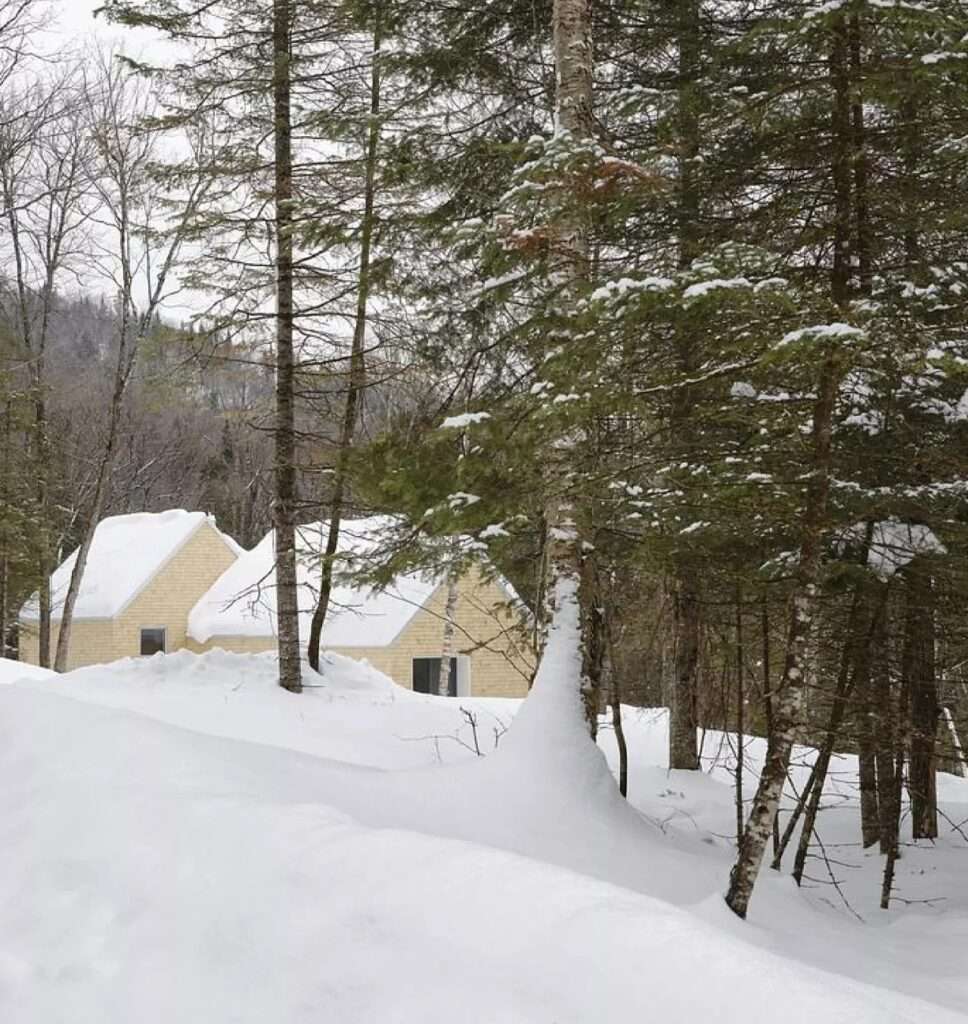
Instead of occupying the river’s edge or asserting a direct visual presence within the landscape, the building is embedded deep within the tree line. This spatial decision redirects the entire interior experience toward the surrounding forest, making the visual and functional relationship with nature a structuring element of the architecture without resorting to formal excess or expressive gestures.
Local References and Reinterpretation of Materials
The design draws from Quebec’s vernacular architectural traditions, including steeply pitched roofs, grounded proportions, and a material palette closely tied to its regional context. Natural cedar wood clads the façades, while metal roofing reinforces the vocabulary of local construction practices. These elements are not presented as nostalgic references, but rather as contemporary reinterpretations based on formal reduction and the removal of ornament, preserving the essential structure of the composition.
The use of cedar wood and metal roofing also reflects a careful consideration of building materials suited to Quebec’s harsh climate and regional building culture.


Organizing Space Through Courtyards
The spatial sequence relies on two courtyards that function as devices for mediating the relationship between interior and exterior. Rather than opening directly onto the landscape, the natural environment is drawn into the composition through framed views that shift with the seasons. The first courtyard faces north with a more enclosed character tied to elevated ground, while the second opens southward with a broader relationship to the lower terrain. This contrast generates a constantly shifting reading of the site through changes in light and time.
Architectural Massing and Directed Views
The second volume of the building is organized across two levels in response to the site’s slope, giving it a more introverted character compared to the rest of the composition. Openings here are limited and carefully positioned, focusing on framing specific moments within the tree canopy rather than offering expansive panoramas. As a result, the visual experience is constructed through selected fragments of the natural landscape rather than complete openness to the surroundings.


✦ ArchUp Editorial Insight
La Maraude can be understood as a residential unit shaped by the logic of regulatory compliance within Quebec’s low-density land market, where forest subdivision regulations and limited construction possibilities determine the project’s position more than any formal ambition. The primary driver relates to rural land valuation and patterns of seasonal occupation, imposing a program centered on thermal stability and the requirements of cold-climate building codes.
Points of friction emerge through local timber supply constraints, structural requirements associated with snow loads, and liability considerations tied to infrastructure embedded deep within the forest. The resulting spatial organization, structured around two courtyards, operates as a mechanism for controlling movement and visibility as much as managing environmental risk, rather than constructing a purely visual narrative. The massing is therefore oriented toward natural insulation and protection instead of panoramic exposure to the landscape.
In this sense, the building becomes a negotiated outcome between regulatory limitations, material availability, and fluctuating patterns of residential use, reflecting broader discussions within contemporary design, regional projects, and ongoing research into climate-responsive residential typologies.