LAVA Unveils the Riyadh Expo 2030 Masterplan: Nature-Inspired Vision Near King Salman International Airport

German architecture studio LAVA has revealed the highly anticipated masterplan for the 2030 World Expo, to be hosted in Riyadh, Saudi Arabia. Set against the backdrop of King Salman International Airport to the north of the capital, the design introduces an architectural language rooted in nature, innovation, and sustainable growth. This ambitious undertaking positions Riyadh as the stage for one of the most significant global events following Expo 2025 Osaka, and further cements Saudi Arabia’s role in shaping international conversations around urbanism, culture, and sustainability.
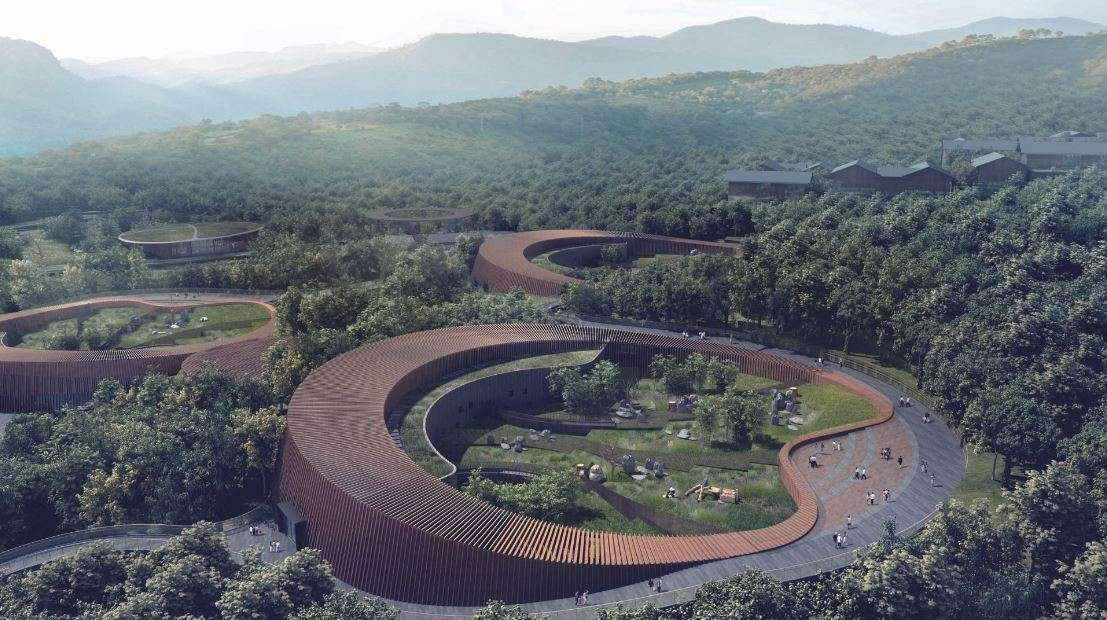
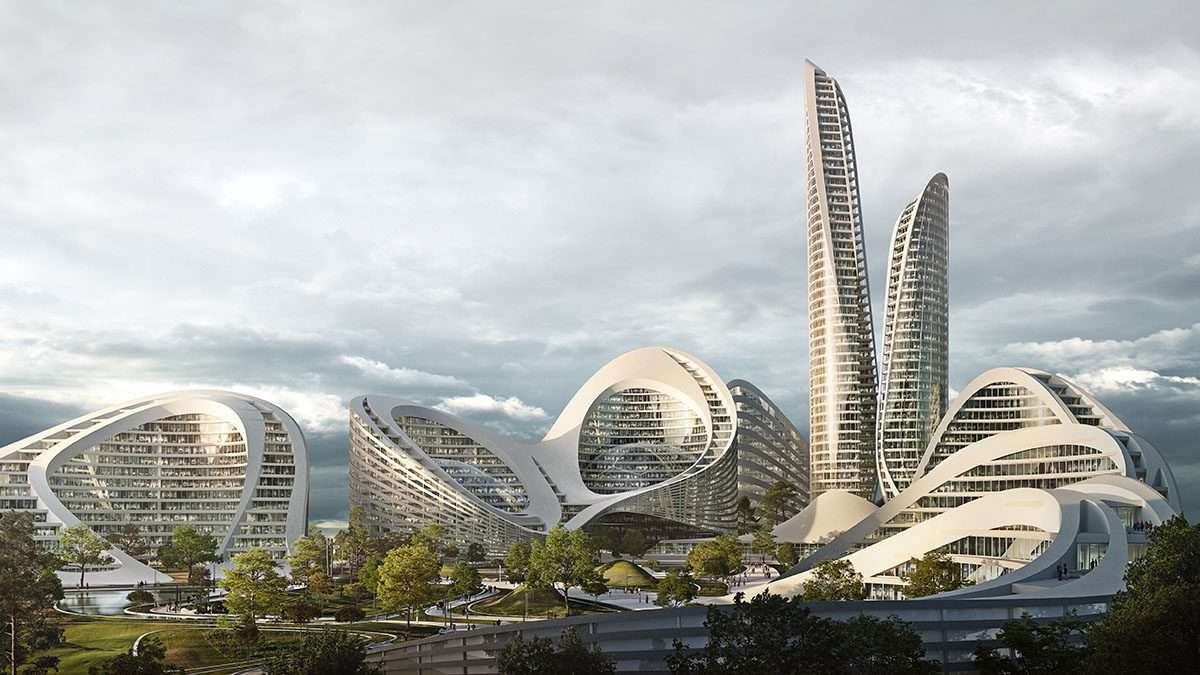
The masterplan is not conceived as a temporary event site alone but as a long-term urban strategy that transforms into a retail and leisure district after the Expo concludes. Inspired by the organic qualities of the kingdom’s landscapes, rivers, and wadis, LAVA’s design integrates fluid geometry, pedestrian connectivity, and environmental restoration. Renderings show sweeping, rock-like buildings organized around a central river, their arrangement resembling petals radiating outward. Bridges and open spaces link these clusters, creating a networked, walkable environment infused with symbolic and functional value.
With Expo 2030 scheduled between October 1, 2030, and March 31, 2031, under the theme “The Era of Change: Together for a Foresighted Tomorrow”, LAVA’s masterplan embodies the balance between technological progress and natural heritage. It not only envisions an extraordinary event space but also introduces a framework for the capital’s future growth, aligning with Saudi Arabia’s larger trajectory of hosting landmark international gatherings such as the 2030 FIFA World Cup and the Asian Winter Games.

Design Vision and Concept
At the heart of the Expo 2030 masterplan lies an ambition to merge nature with innovation. LAVA co-founder Chris Bosse emphasizes that the design is “anchored in nature,” reflecting Saudi Arabia’s diverse ecosystems while incorporating cutting-edge technological solutions. The organic-shaped, rock-like buildings draw inspiration from rivers and wadis, natural systems that have historically shaped the country’s landscapes and settlements. These forms carry metaphorical weight, signaling resilience, continuity, and life in the desert.
Five-Petal Spatial Organization
The masterplan radiates outward in five petal-like formations around a central river. Each cluster symbolizes an interconnected facet of the Expo experience, linked by bridges that encourage movement, exploration, and cross-cultural exchange. This radial plan fosters cohesion while maintaining diversity, reflecting the Expo’s global spirit. The river not only serves as a visual and symbolic axis but also introduces ecological value, promoting cooling, biodiversity, and atmospheric balance in the arid climate.
Integration with Riyadh’s Infrastructure
Strategically located near King Salman International Airport and bounded by major roads, the site benefits from unparalleled accessibility for international visitors. Proximity to iconic projects such as the Zaha Hadid Architects-designed King Abdullah Petroleum Studies and Research Centre and the under-construction King Salman Stadium by Populous further situates the Expo within a network of architectural landmarks. Together, these projects reinforce Riyadh’s image as a global destination for culture, sports, and innovation.

Architecture Informed by Nature
The built environment draws heavily from the visual and functional qualities of natural landforms. Rock-inspired volumes, softened edges, and fluid geometries create an immersive landscape of structures that appear to emerge from the earth itself. This approach bridges the dichotomy between permanence and adaptability, symbolizing how architecture can echo nature’s resilience while providing contemporary utility. The design also supports environmental restoration by incorporating sustainable materials, passive cooling strategies, and water-sensitive landscaping.
| Design Feature | Description |
|---|---|
| Central River | Acts as the spatial and symbolic axis, reflecting natural systems |
| Five Petal Clusters | Radial organization symbolizing unity and diversity |
| Bridges | Connectivity between districts, enhancing circulation and cohesion |
| Rock-Like Architecture | Organic-shaped volumes inspired by wadis and rivers |
| Post-Expo Future | Planned conversion into a retail and leisure hub |
Post-Expo Legacy
Unlike many Expo sites that struggle with long-term viability, LAVA’s Riyadh Expo 2030 masterplan anticipates transformation beyond the six-month event. Its design as a retail and leisure destination ensures that infrastructure, investment, and cultural value persist. The integration of public spaces, pedestrian corridors, and flexible architecture makes the site adaptable, able to serve as both a memory of global collaboration and a catalyst for Riyadh’s continued development.
Thematic Alignment: “The Era of Change”
The Expo’s guiding theme — The Era of Change: Together for a Foresighted Tomorrow — is woven into the masterplan’s DNA. Nature-inspired architecture reflects foresight through environmental stewardship, while the radial organization symbolizes togetherness. The design becomes a physical manifestation of the Expo’s message: that change, when anchored in heritage and directed by innovation, can shape a sustainable, interconnected future.
| Challenge | Design Response |
|---|---|
| Hosting a Global Event | Designing flexible infrastructure for millions of visitors |
| Post-Event Viability | Planned legacy as retail and leisure district |
| Environmental Integration | Nature-inspired architecture with ecological value |
| Symbolic Identity | Five petals and central river embodying unity and diversity |
Architectural Analysis
The Expo 2030 masterplan exemplifies a hybrid architectural language that reconciles natural inspiration with technological ambition. The decision to structure the site around a central river reflects both symbolic and ecological intent, creating microclimatic benefits in a desert setting. The five-petal arrangement reinforces thematic unity while offering spatial flexibility. From a critical perspective, the project avoids the pitfalls of event architecture by embedding post-Expo legacy within its DNA, although its long-term success will depend on careful governance and programming after 2031.

Project Importance
LAVA’s masterplan for Riyadh Expo 2030 represents more than a venue; it embodies Saudi Arabia’s commitment to innovation, sustainability, and cultural dialogue. For architecture, it provides a model of how temporary event planning can catalyze long-term urban transformation. For Riyadh, it marks a milestone in global positioning, aligning with other mega-events like the FIFA World Cup and Asian Winter Games. By bridging nature, technology, and urban strategy, the project reinforces architecture’s role as both stage and agent of societal change.
✦ ArchUp Editorial Insight
LAVA’s masterplan for Riyadh Expo 2030 presents a nature-inspired vision located just north of King Salman International Airport. The design unfolds as five petal-shaped clusters arranged around a central river, with rock-like organic volumes, fluid geometries, and bridges that enhance pedestrian connectivity. Natural and suspension elements such as wadis and waterways inform both the symbolic and spatial language of the proposal. Materials and planning strategies emphasize environmental restoration, passive cooling, and sustainability from the outset.
While the plan is compelling in merging innovation with heritage, key questions linger. How will the infrastructure perform under the scale of millions of visitors? Can the ecological systems—especially in an arid climate—be maintained over long-term use? Also, will the post-Expo conversion into a retail and leisure district preserve the site’s integrity and avoid becoming a generic mixed-use environment?
Nevertheless, this masterplan stands out for integrating a legacy beyond event rhetoric. Its nature-driven urban strategy and symbolic spatial composition offer enduring value for Riyadh’s future growth.
Conclusion
LAVA’s unveiling of the Riyadh Expo 2030 masterplan marks a defining chapter in Saudi Arabia’s architectural and cultural trajectory. By rooting the design in nature and weaving it with the Expo’s theme of The Era of Change, the project aligns with both local heritage and global aspirations. The five-petal clusters, the central river, and the rock-like buildings all signal a design intent that transcends the ephemeral nature of Expos to create a lasting legacy.
Critically, the project acknowledges the challenges of sustainability, event architecture, and post-event viability. Its strategy of converting into a retail and leisure hub reflects foresight in urban planning, ensuring the Expo site contributes to Riyadh’s fabric long after the international event concludes. This approach sets it apart from many past Expos, which have struggled to repurpose massive investments.
Ultimately, Riyadh Expo 2030 is more than a global showcase — it is a blueprint for how architecture can bridge the global and the local, the temporary and the permanent, the natural and the technological. LAVA’s masterplan offers a compelling case study in design’s ability to respond to today’s urgencies while shaping tomorrow’s opportunities.
Explore the Latest Architecture Exhibitions & Conferences
ArchUp offers daily updates on top global architectural exhibitions, design conferences, and professional art and design forums.
Follow key architecture competitions, check official results, and stay informed through the latest architectural news worldwide.
ArchUp is your encyclopedic hub for discovering events and design-driven opportunities across the globe.
Brought to you by the ArchUp Editorial Team
Inspiration starts here. Dive deeper into Architecture, Interior Design, Research, Cities, Design, and cutting-edge Projects on ArchUp.