Low-Carbon Cement: A New Step Towards Sustainable Construction in Europe


Introduction
In the global effort to reduce carbon emissions, low-carbon cement has emerged as an innovative solution to minimize the environmental impact of the construction industry. Recently, a low-carbon cement product received a European Technical Assessment (ETA), paving the way for its widespread adoption in Europe by 2026. This cement achieves a 70% reduction in CO₂ emissions compared to traditional cement, marking a significant step toward sustainability goals.
Low-Carbon Cement Technology
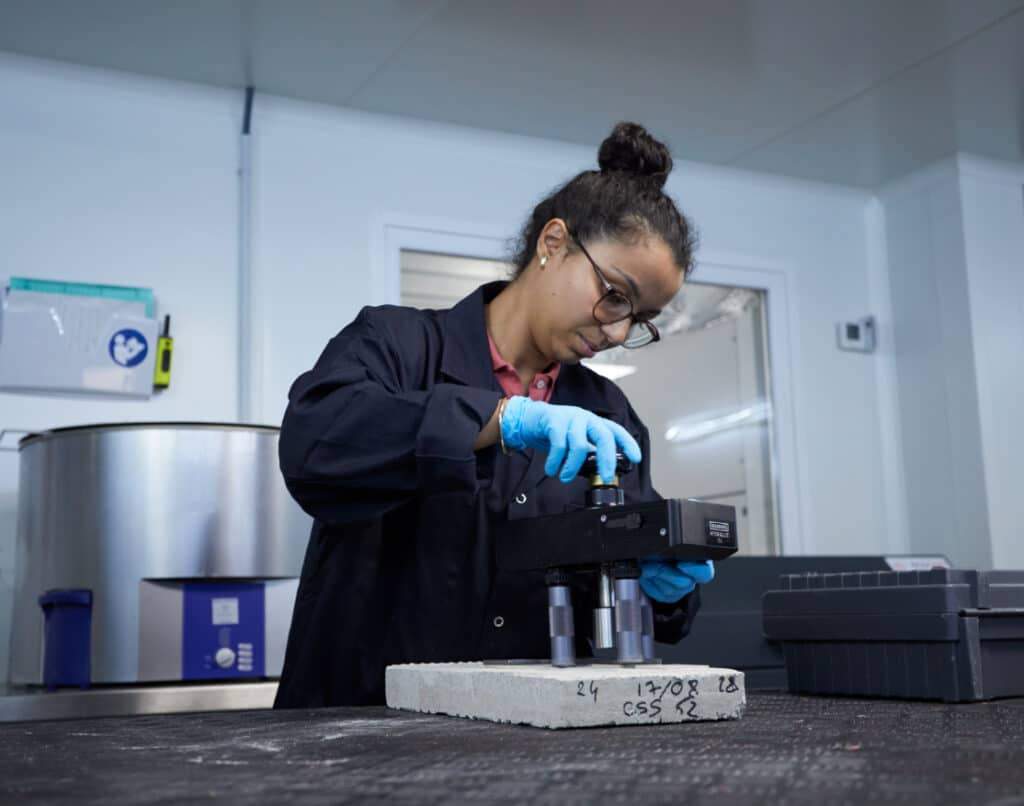
This type of cement reduces clinker content by up to 70%, replacing it with locally available supplementary cementitious materials and performance enhancers. Known as “ACT” technology, this innovation has been tested and proven to maintain strength, durability, and workability, making it both a practical and environmentally friendly choice.
Expansion in European and Global Markets
Following its European certification, the developer plans to expand production in several European countries by enhancing output at existing plants and establishing new facilities for raw material processing. Additionally, future projects aim to introduce this cement to the US market, with ongoing efforts to secure permits for a new manufacturing facility.
The Role of Low-Carbon Cement in Climate Goals
This advancement marks a turning point in the global cement industry, helping achieve a 50% reduction in carbon emissions within the next decade. It also supports the global movement toward net-zero emissions by 2050, aligning with the Paris Agreement on climate change.
Summary Table
| Aspect | Details |
|---|---|
| Carbon Reduction Rate | 70% compared to traditional cement |
| Certification Obtained | European Technical Assessment (ETA) |
| Manufacturing Technology | 70% clinker reduction, replaced with alternative materials |
| Cement Performance | High strength, durability, and workability |
| European Market Expansion | Expected by 2026 |
| Global Future Plans | Expansion into the US and other markets |
Conclusion
Low-carbon cement represents a significant step toward a more sustainable future in the construction sector. With its adoption in European and global markets, it can play a crucial role in reducing the industry’s carbon footprint, contributing to the fight against climate change.