Types of Marble and Their Uses: A Comprehensive Guide


When considering marble types and shapes, marble is a popular material in architecture, interior design, and construction due to its durability, elegance, and timeless appeal. It comes in two main types — natural and artificial — each with its own characteristics, applications, and pros and cons.
In this article, we will cover:
- The difference between natural and artificial marble
- Types of each category
- Advantages and disadvantages
- Common uses in construction and design
- Tips for choosing the right marble
- A professional opinion on selecting marble wisely
1. What is Marble?
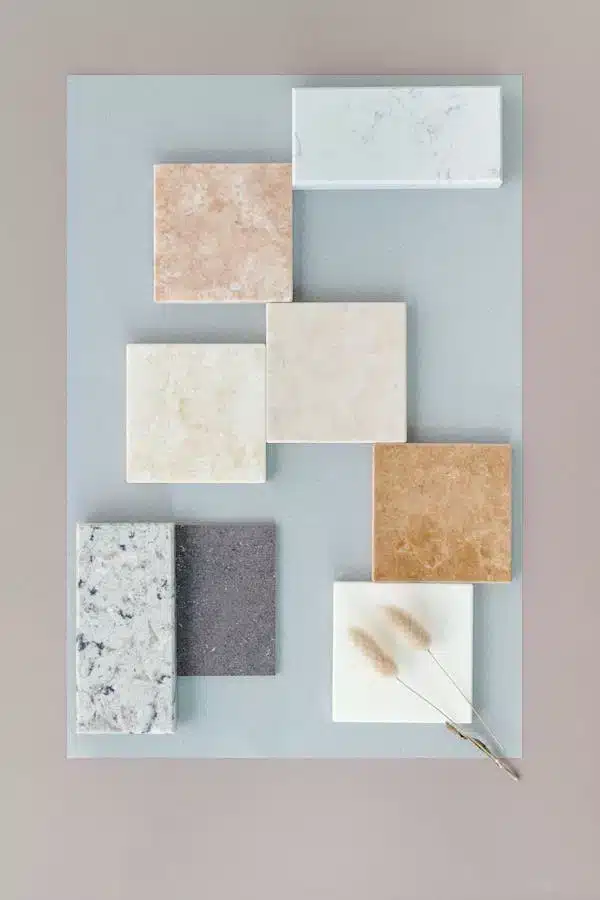
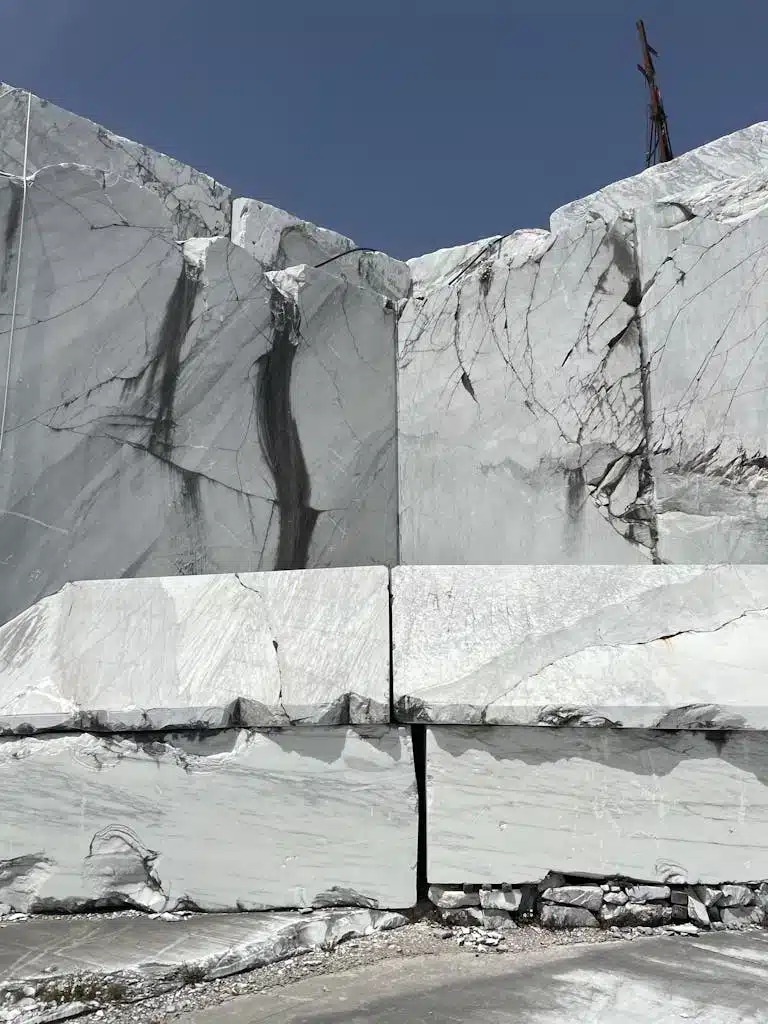
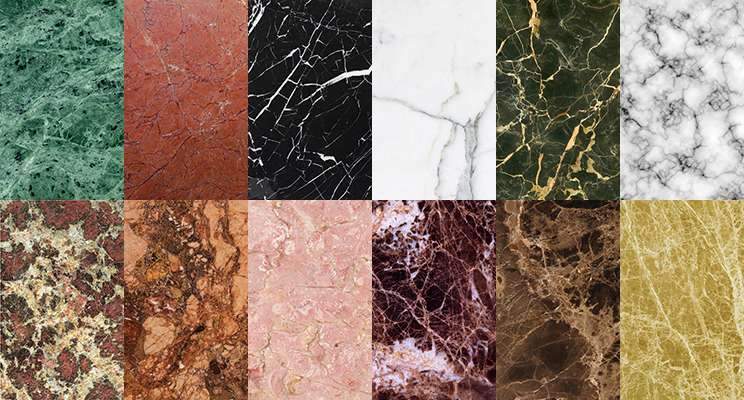
Marble is a metamorphic rock formed over millions of years through intense heat and pressure beneath the Earth’s surface. It mainly consists of recrystallized carbonate minerals, such as calcite or dolomite. Depending on its composition, it can have a wide range of colors and veining patterns, making it a preferred material for both decorative and structural purposes.

2. Types of Marble
Natural Marble
Natural marble is extracted directly from quarries and shaped by geological forces. It is known for its luxurious look and unique patterns.
Main Types of Natural Marble:
| Type | Characteristics |
|---|---|
| Dolomitic Marble | Contains about 40% magnesium carbonate; usually white or gray |
| Green Marble | High in serpentine mineral; considered the hardest type |
| Agate Marble | Rich in calcium carbonate; known for purity and transparency |
| Live Stone Marble | Contains hydrated magnesium silicate; less commonly used |
Artificial (Engineered) Marble
Artificial marble is manufactured using chemical compounds and resins designed to mimic the appearance of natural marble while reducing some of its drawbacks.
Main Types of Artificial Marble:
| Type | Description |
|---|---|
| Acrylic Marble | Highest quality, eco-friendly |
| Polyester Marble | More affordable but lower quality than acrylic |
| Calcium Carbonate Marble | Resembles limestone; cheapest option |
3. Pros and Cons of Using Marble
Advantages of Natural Marble:
- Highly resistant to weathering
- Reflects light beautifully
- Long-lasting and durable
- Adds aesthetic value to any space
Disadvantages of Natural Marble:
- Susceptible to staining from oils and liquids
- Can be slippery when wet
- Expensive compared to alternatives
Advantages of Artificial Marble:
- Fire-resistant
- Easier and cheaper to repair
- Less likely to develop mold or mildew
- More cost-effective than natural marble
Disadvantages of Artificial Marble:
- May lack the authentic look and feel of natural stone
- More vulnerable to strong chemicals

4. Common Uses of Marble
Marble has a wide range of applications across various architectural and design fields:
- Building Facades : Enhances external aesthetics and durability
- Flooring : Popular in villas, hotels, and luxury interiors
- Staircases : Adds elegance to home interiors
- Kitchen Countertops : Especially engineered marble due to easier maintenance
5. Tips for Choosing the Right Marble
When selecting marble, consider the following factors:
- Check for cracks, scratches, or imperfections before purchase
- Choose tiles at least 2 cm thick for flooring to ensure strength
- Match the color with the overall interior design scheme
- Ensure the size fits the intended space appropriately
6. ArchUp’s Perspective
From a practical and professional standpoint, marble remains a strong choice for many architectural projects. However, its selection should always align with the project’s budget and functional needs.
Natural marble is ideal for long-term investments like hotels or hospitals, where aesthetics and endurance are key. On the other hand, artificial marble offers a more economical and versatile solution for residential spaces.
It’s worth noting that some builders use marble without considering its suitability for the environment — especially in wet areas like bathrooms — which can lead to safety issues such as slipping. Additionally, overusing marble in small spaces may create a visually overwhelming effect. Therefore, thoughtful application is essential.
Frequently Asked Questions (FAQ)
Q1: Is natural marble always better than artificial?
A: Not necessarily. While natural marble offers a premium look, artificial marble provides cost-efficiency and ease of maintenance, making it suitable for certain applications.
Q2: How should marble be cleaned safely?
A: Use pH-neutral cleaners specifically designed for marble. Avoid acidic substances like vinegar or lemon juice that can etch the surface.
Q3: Can marble be used outdoors?
A: Yes, especially treated natural marble that is resistant to weathering and erosion.
Q4: What is the difference between marble and granite?
A: Granite is harder and more scratch-resistant, while marble has a more refined, crystalline appearance.
Summary Table
| Feature | Natural Marble | Artificial Marble |
|---|---|---|
| Origin | Natural | Man-made |
| Durability | High | Moderate |
| Cost | High | Low |
| Appearance | Elegant and unique | Mimics natural marble |
| Insulation | Good | Limited |
| Safety | Slippery if not treated | Safer for wet areas |
Source Reference:
General information regarding marble composition and properties is based on scientific references from environmental and mineral resources departments in several Arab countries.