Worker Village Faces Demolition After Dam Project Completion in Canada


Remote Location and a Large-Scale Project
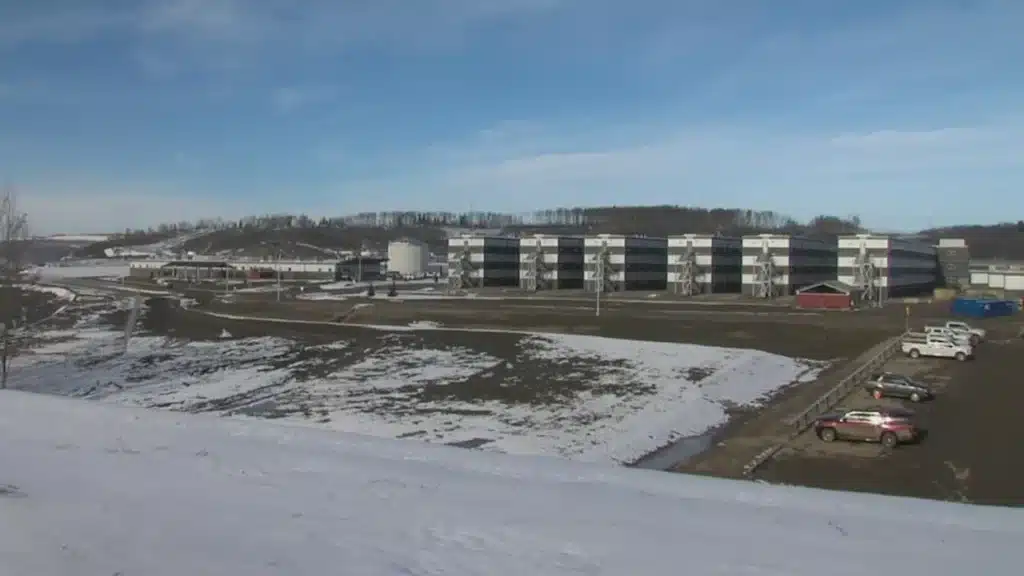
As the Site C hydroelectric dam in northeastern British Columbia, Canada, approaches full operation in autumn 2025, a new issue has emerged: what to do with the temporary worker village that housed more than 1,700 construction workers during the 10-year project. Built near the remote city of Fort St. John, the village may now be demolished, with no clear plan for reuse in another modern industrial facility.
Details of the Temporary Village
Constructed at a cost of CAD 470 million, the village includes:
- 21 three-storey dormitory buildings
- 39 three-storey connecting corridors
- 131 kitchen, dining, and recreation units
- 24 modular office units
- A gymnasium, fitness centre, and a cinema
The Disposal Dilemma
At a March 20 meeting of the Peace River Regional District (PRRD), board members expressed concern after receiving an inquiry from a BC Hydro subcontractor about the waste sorting requirements at the local landfill, in preparation for potential demolition of this modern industrial facility.
“This could drastically shorten the timeline for constructing a new landfill site and cost us millions of dollars,”
— Bradley Sperling, PRRD Director
He added:
“From day one, BC Hydro never once said the village would be demolished and sent to our landfill. We have always requested first right of refusal on any dismantled parts.”
Efforts Toward Reuse
BC Hydro stated it has been reaching out to local governments, non-profits, Indigenous Nations, and the private sector since 2023, seeking options for repurposing the camp rather than disposing of it. This reflects their efforts to align with modern industrial facility practices for sustainable development.
“We wanted to ensure others were aware of the opportunity to assess whether the camp could potentially be repurposed instead of having to properly dispose of it,”
— BC Hydro spokesperson
Actions Taken
During the meeting, the PRRD board resolved to:
- Seek legal advice regarding their rights and liabilities
- Invite BC Hydro for a formal discussion about compensation if the landfill is used
- Explore alternatives to demolition, such as relocation, sale, or donation to another modern industrial facility
Summary Table
| Item | Details |
|---|---|
| Project Name | Site C Hydroelectric Dam |
| Location | Near Fort St. John, British Columbia, Canada |
| Number of Workers | 1,700 |
| Village Cost | CAD 470 million |
| Dormitory Buildings | 21 buildings (three-storey) |
| Additional Facilities | Corridors, kitchens, offices, gym, cinema |
| Owner | BC Hydro |
| Main Concern | Overloading local landfill with demolition waste from the modern industrial facility |
| Current Measures | Legal consultation, talks with BC Hydro, exploring reuse |