Morocco Signs $2.9 Billion Deal to Acquire 168 Trains from France, Spain, and South Korea

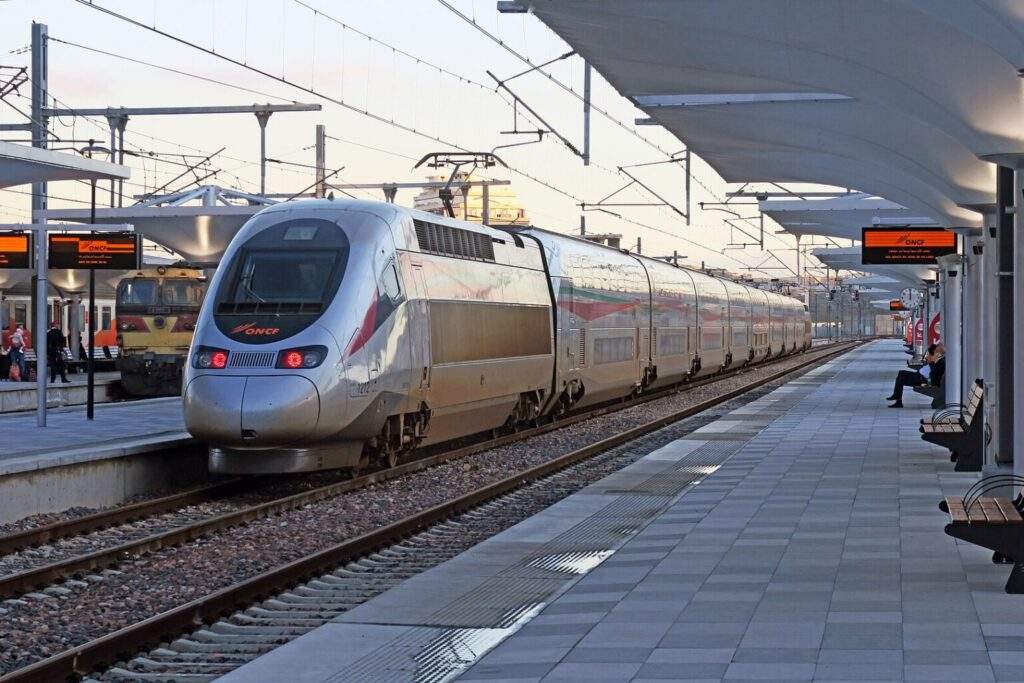
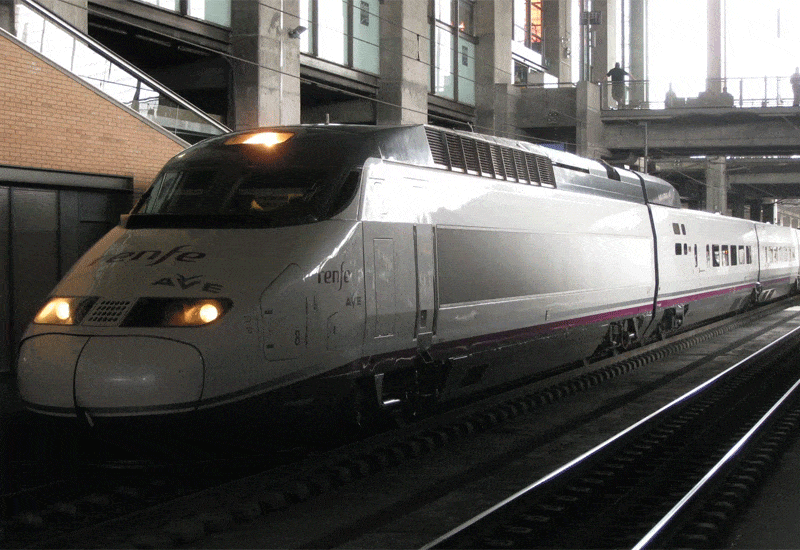
As part of a strategic move to enhance its transportation infrastructure, Morocco’s National Railway Office (ONCF) has announced the signing of $2.9 billion contracts with companies from France, Spain, and South Korea to supply 168 new trains, including the AVE high-speed train. This initiative aims to strengthen Morocco’s railway network in preparation for hosting the 2030 FIFA World Cup, which Morocco will co-host with Spain and Portugal.
Contract Details
- Alstom (France): Will supply 18 high-speed trains, similar to the AVE trains.
- CAF (Spain): Will provide 40 intercity trains, with an option for 10 additional trains.
- Hyundai Rotem (South Korea): Will deliver 110 commuter trains.
These contracts were awarded after a competitive bidding process lasting over a year and are designed to enhance the national railway system. Additionally, the agreements include a commitment from the manufacturers to provide maintenance services for several years, ensuring the sustainability and quality of passenger services.
Future Expansion of the Railway Network
Morocco plans to expand its high-speed rail network by extending the line from Kenitra to Marrakesh, and later to Agadir, aiming to connect more cities and boost economic development. The ONCF also intends to increase the number of cities served by trains from 23 to 43 by 2040, covering 87% of Morocco’s population, potentially utilising AVE high-speed train technology.
Investment in Local Manufacturing
As part of this initiative, Morocco plans to build a local factory for producing commuter trains, with ambitions to export trains in the medium and long term. This will strengthen the local industry, create new job opportunities, and position Morocco as a regional hub for railway manufacturing.
Financing and International Support
These projects, including the acquisition of the AVE trains, will be financed through favorable funding agreements with France, Spain, and South Korea, reflecting international confidence in Morocco’s economy and its future growth prospects.
Summary Table of Contracts
| Manufacturer | Country | Train Type | Quantity |
|---|---|---|---|
| Alstom | France | High-speed trains | 18 |
| CAF | Spain | Intercity trains | 40 |
| Hyundai Rotem | South Korea | Commuter trains | 110 |
These developments highlight Morocco’s commitment to modernizing its infrastructure and transportation sector, reinforcing its position as a leading investment and tourism destination in the region.