

Revealing the Details of the New Malaga Tower Changing the City Skyline

Visitor Experience from the First Moment
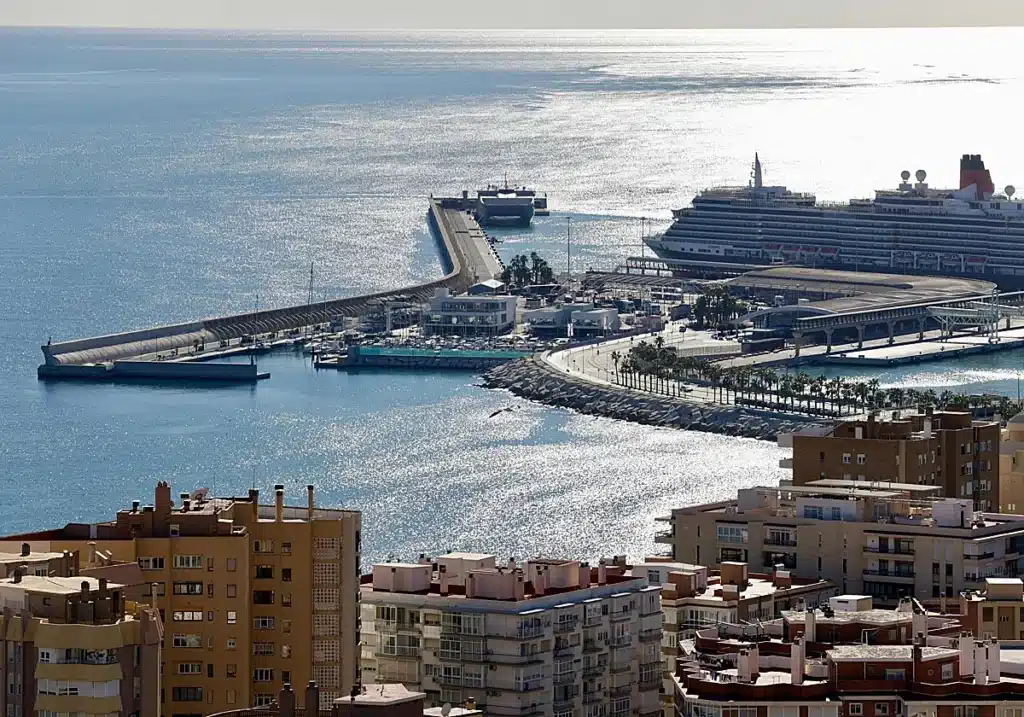
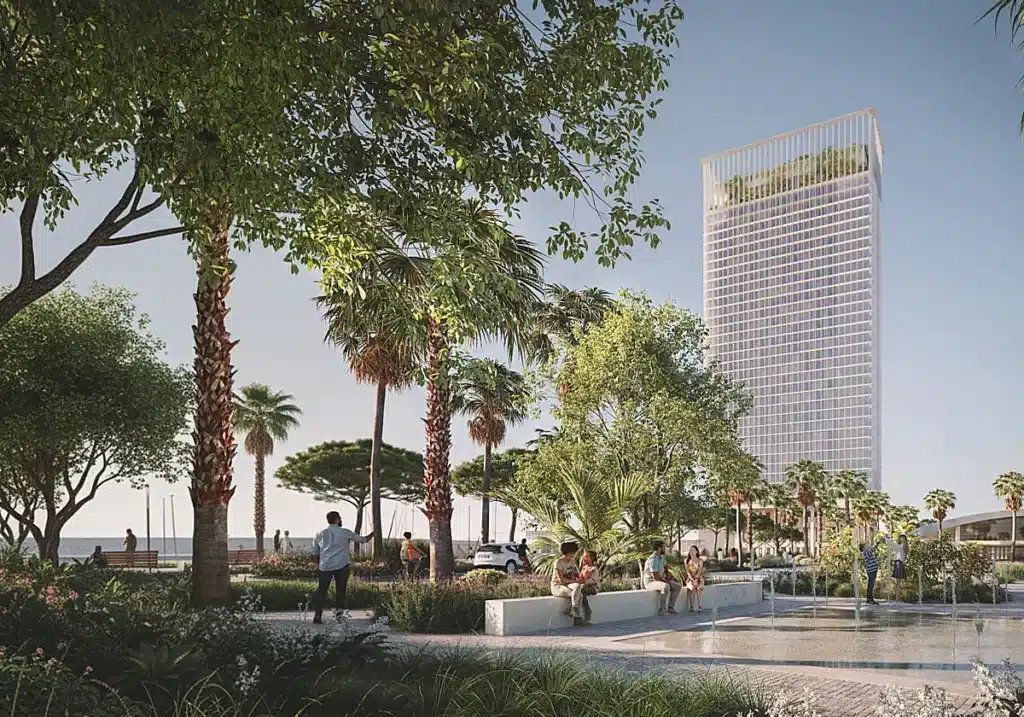
The New Malaga Tower rises in the heart of the port, surrounded by open spaces and a promenade along the waterfront. From the moment visitors approach, they feel the seamless flow between interior and exterior areas. The glass façades interact with sunlight, reflecting the sea and the city’s historic skyline, while the wooden and stone walkways provide a tactile walking experience. The surrounding public spaces offer multiple viewing points, allowing visitors to observe the sea, the lighthouse, and the gardens from different angles. This design creates a smooth and connected experience with both the maritime and historical environment.
Location and Design Concept
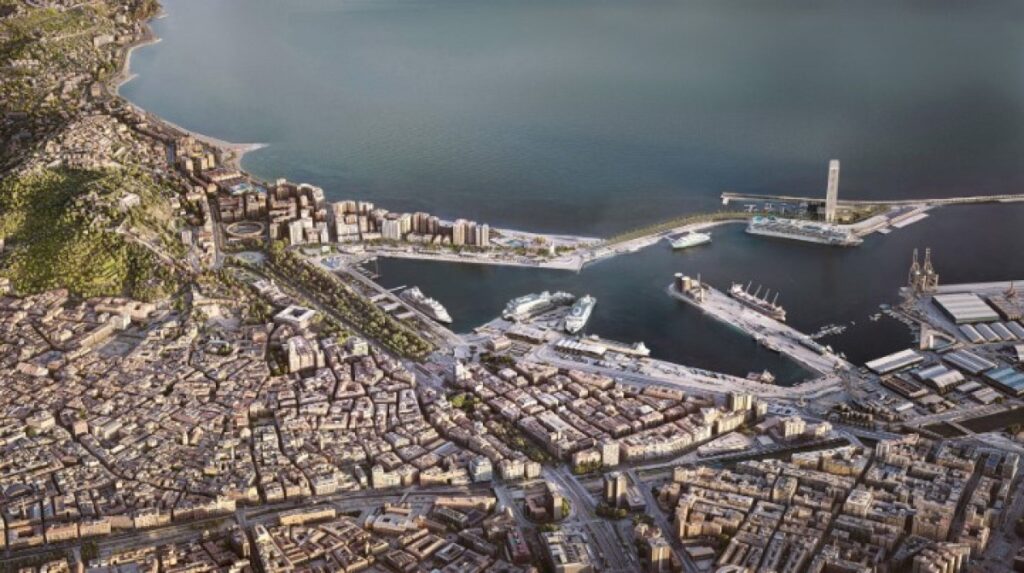
The New Malaga Tower was designed to blend with its surroundings without obstructing the sightlines toward historic landmarks. Its rectangular structure allows an efficient distribution of rooms and platforms, achieving a balance between height and open public spaces. The design emphasizes the integration of the building with nature while providing a 1,300-meter-long promenade linking the lighthouse and the surrounding gardens. This layout allows visitors to enjoy the natural scenery and port views from multiple perspectives.
Visitor Movement and Flow
Visitors move effortlessly through the tower’s plazas, where carefully designed visual interaction points guide attention toward the sea and natural landscapes. The sea facing platforms provide a dynamic experience, and the fluid layout enhances the sense of openness and freedom. The interior spaces facilitate movement and offer panoramic views from different floors, while exterior areas encourage strolling and interaction with the environment. Each pathway and corner has been designed to maintain the visitor’s connection with the surroundings and the historic cityscape.

Architectural Details and Materials
The tower is built around a reinforced concrete structure supported by a central core with a compressive strength of 60 MPa. This core distributes vertical loads efficiently and provides lateral stiffness against waterfront winds. The design includes a suspended glass façade system weighing 950 tons. Its 12 mm-thick panels create visual transparency and a direct connection to the sea.
Sustainability systems improve the building’s overall performance. The HRV air-handling units operate at 85% efficiency to enhance indoor air quality. Solar panels add up to 120 kWh of operational capacity. The rainwater harvesting system stores 50,000 liters per day for reuse in outdoor areas.
The façades use double Low-E glazing with a thermal transmittance of 1.4 W/m²·K. This reduces heat transfer and supports effective light control. Local materials also play a key role. The design integrates 8-cm sandstone and teak wood panels with a vapor permeability of 35, producing a warm texture suitable for the coastal setting.
The project achieves strong environmental performance. It reduces energy consumption by 45% relative to local standards. It also decreases the carbon footprint by 30% through the use of nearby material and production sources.
Materials and Construction Techniques:
- Reflective glass façades 100% of the exterior surface.
- Natural sandstone covering approximately 25% of the ground surfaces and external walls.
- Treated wood 15% of interior and exterior walkways.
- Green spaces and landscaping 30% of the surrounding land area.
- Energy-saving and natural ventilation systems implemented in 80% of rooms and interior corridors.
The distribution of materials ensures a balance between construction and nature, maintaining visual harmony with the surroundings.
Sustainability and Environmental Integration
The tower is designed to preserve surrounding natural areas and promote public access. The 1,300 meter long promenade links the lighthouse with the gardens and offers an interactive experience for visitors. Materials were chosen to reflect the local environment and support sustainability, while the glazing and interior spaces provide natural ventilation and adequate daylight. Every element of the project aims to deliver a fully integrated visitor experience without impacting the environment or historic views.
Final Vision of the Project
The New Malaga Tower provides a comprehensive architectural experience focused on movement and interaction with the city’s maritime and historical environment. The design allows visitors to circulate smoothly between open and interior spaces, offering panoramic views of the city and the port from every angle. The extensive public areas and long promenade enhance the visitor experience, while the materials and techniques achieve a balance between construction and sustainability. Although the project faces public debate over its impact on heritage and social aspects, it presents a model of a modern tower that interacts with its surroundings and redefines the visitor experience in the area.
✦ ArchUp Editorial Insight
The New Malaga Tower stands as a rectangular glass structure, reflecting sunlight over the port waters while offering unobstructed views of the city’s historic skyline. Walkways and plazas are carefully designed to harmonize with the maritime environment, featuring organized viewing points for visitors. Critically, the design emphasizes height and fluidity, raising questions about its visual impact on surrounding historic landmarks. The use of natural materials such as sandstone and wood provides tangible balance while maintaining a smooth visitor circulation. Overall, the project delivers clear urban value by integrating public spaces with the waterfront experience.




ArchUp Editorial Management
The article provides a documentary perspective on the New Malaga Tower as a case study in urban integration and the controversy surrounding high-rise urban projects. To enhance its archival value, we would like to add the following technical and design data:
We would like to add that:
· Structural Data: Reinforced concrete structure with a central core strengthened to 60 MPa compressive strength, supporting a 950-ton glass facade system with 12 mm thickness
· Sustainability Systems: HRV air handling units with 85% efficiency, 120 kWh solar panels, and rainwater harvesting system with 50,000-liter daily capacity
· Advanced Materials: Double Low-E glass with 1.4 W/m²·K thermal transmittance, 8 cm thick local sandstone, and treated teak wood panels with vapor permeability of 35
· Environmental Performance: LEED Platinum certification with 45% lower energy consumption than local standards, achieving 30% carbon footprint reduction through use of local materials
Related Link:
Please review for a comparison of urban environment integration in architectural projects:
[Architecture and Urban Development: Balancing Modernity and Local Identity]
https://archup.net/coastal-infrastructure-and-urban-park-resilience/