Organic Building Materials: How MycoMuseum is Redefining Sustainable Architecture


In the heart of the Venice Architecture Biennale 2025, under the theme “Intelligens. Natural. Artificial. Collective,” the MycoMuseum project emerges as a bold shift toward regenerative architecture. Developed by the Indian studio Anomalia in collaboration with Indonesian biotech company MYCL, the project introduces a revolutionary concept using organic building materials that grow, disassemble, and return to nature—replacing traditional, extractive methods in construction.
MycoBlox: A Lightweight, Biodegradable Innovation
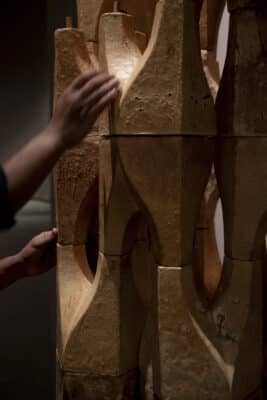
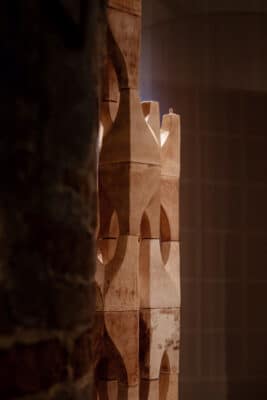
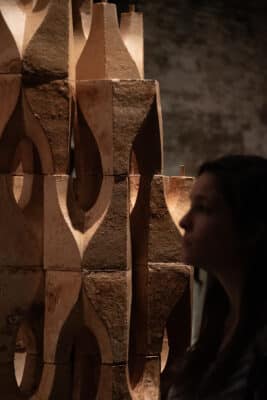
At the core of the installation are MycoBlox—25 cm modular units grown from mycelium and agricultural waste. Each block weighs only 1.6 kg yet withstands compressive loads up to 1.55 tonnes, an impressive feat for materials rooted in organic building concepts. Despite being light and biodegradable, the material shows impressive strength, insulation properties, and structural stability.
Rather than relying on glues or metal fasteners, the blocks are connected using wooden dowels, allowing full disassembly and reuse. This design principle supports a truly circular construction system.
Environmental Impact Backed by Data
The MycoMuseum project demonstrates measurable sustainability:
| Environmental Metric | Value |
|---|---|
| Agro-waste reused | 142 kg |
| Carbon sequestered | 89 kg |
| CO₂ emissions avoided | 522 kg CO₂-e |
| Water saved | 470 liters |
These figures show how employing building materials from organic sources can significantly reduce a building’s environmental footprint—making them a viable option for circular construction.
Modular Thinking and Circular Design
The project is driven by four main research pillars:
- Biological Intelligence: Studying how mycelium grows, interacts with materials, and adapts.
- Material Performance: Testing structural strength, insulation, and fire resistance.
- Modular Design: Ensuring visual openness, spatial flexibility, and stability.
- Circularity: Using dry assembly techniques and compostable materials to align with the Circularity Manifesto of the Biennale.
From Installation to Real-World Application
MycoBlox have been successfully adapted into modular furniture, including compostable tables and benches. This step bridges the gap between experimental architecture and practical everyday design, demonstrating the versatility of building materials created from organic sources.
A Humble Beginning with Global Vision
Anomalia’s journey started in a kitchen in Mumbai, where designers Bhakti V. Loonawat and Suyash Sawant experimented with fungi in cupcake trays, revealing potential for applying organic materials in building. That passion evolved into an international collaboration with MYCL, and now, a featured spot at the world’s most prestigious architecture exhibition.
Their mission is clear: shift from extractive systems to regenerative materials, inviting collaboration among architects, scientists, policymakers, and builders.
More Than an Installation — A Living Prototype
The MycoMuseum exhibit runs until 23 November 2025 at the Arsenale. It’s not just an installation, but a living prototype of architecture that breathes, decomposes, and regenerates. In a world facing urgent climate and material challenges, using organic materials for building offers a credible, scalable solution.
ArchUp is your platform to follow everything “architectural“: news, analyses, and designs from the heart of the modern architectural movement.