Parco Dei Principi Sorrento A charming villa turned hotel

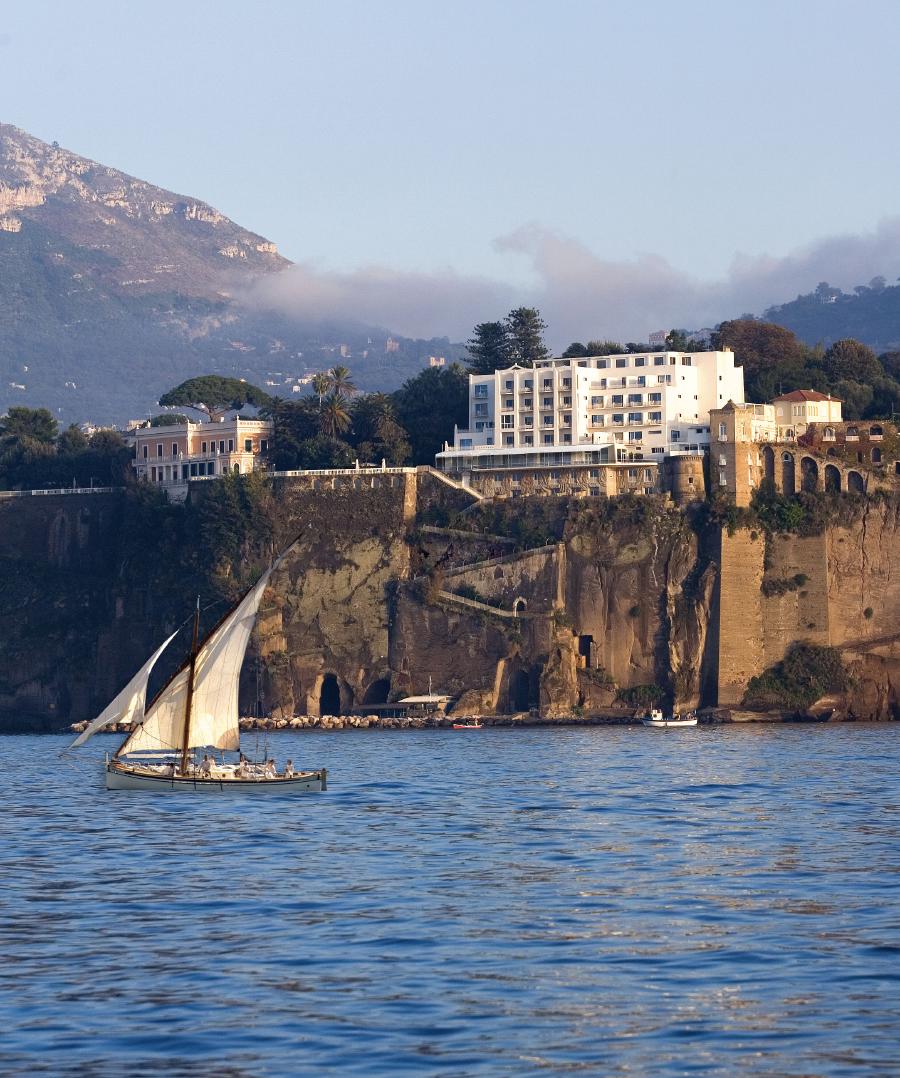
The charming villa captivated its new owner, the Neapolitan architect Roberto Fernandez,
with its magnificent historical heritage, its exceptional location and its natural message of hospitality and charm.
This inspired him to transform it into a hotel. The demanding composition of the structure,
whose mission was to reconcile the practicality of the modern era with the charm of ancient traditions,
Fernández urged to entrust this delicate task to one of the most enlightened figures in contemporary architecture, Gio Ponti.
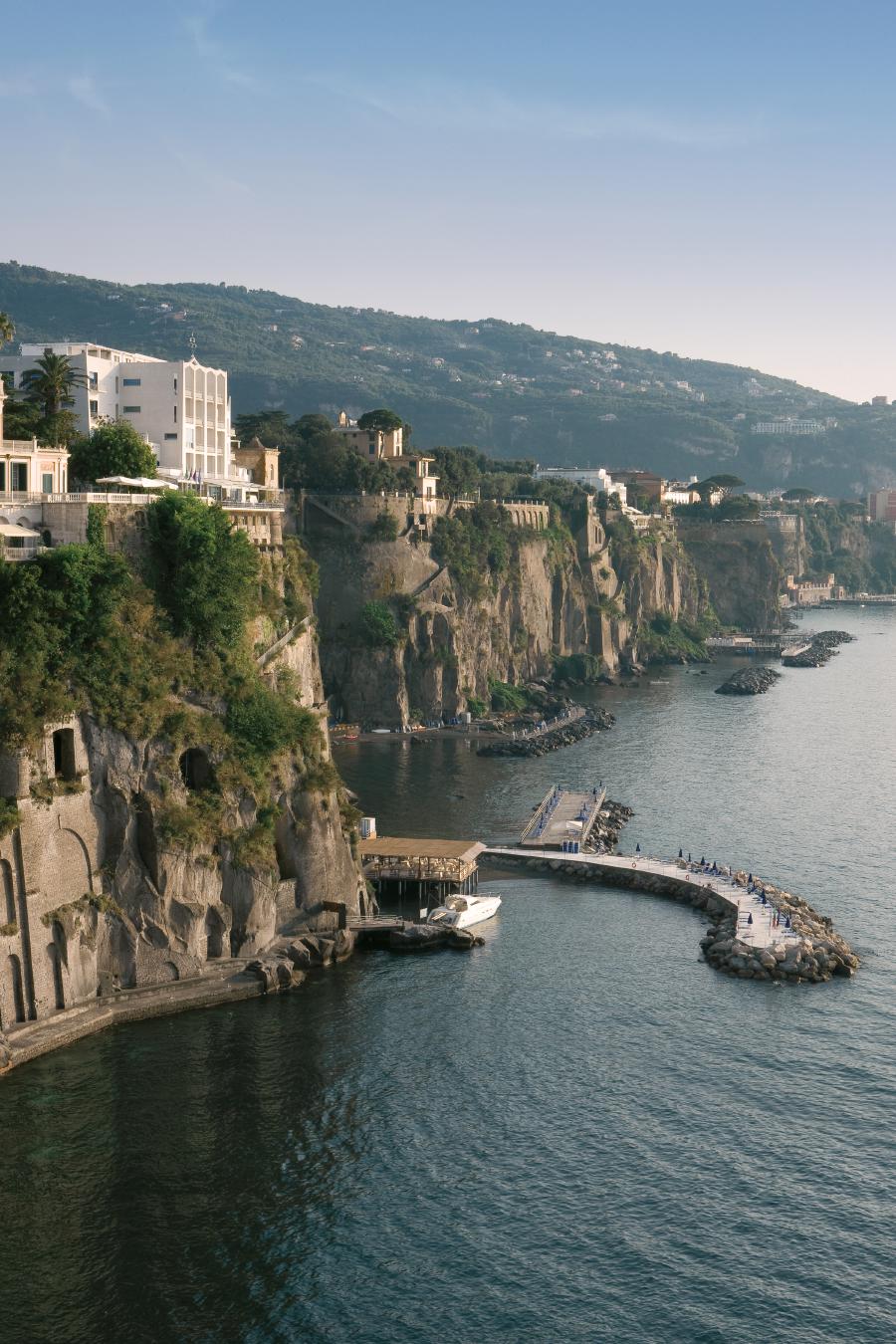
The hotel was built on the ruins of Dasha’s house, which was never completed.
His exceptional adaptation to form and his original dynamic relationship between the dangling objects and the same structure also made his installation unique.
The Milanese architect and artist, famous for his eccentricity,
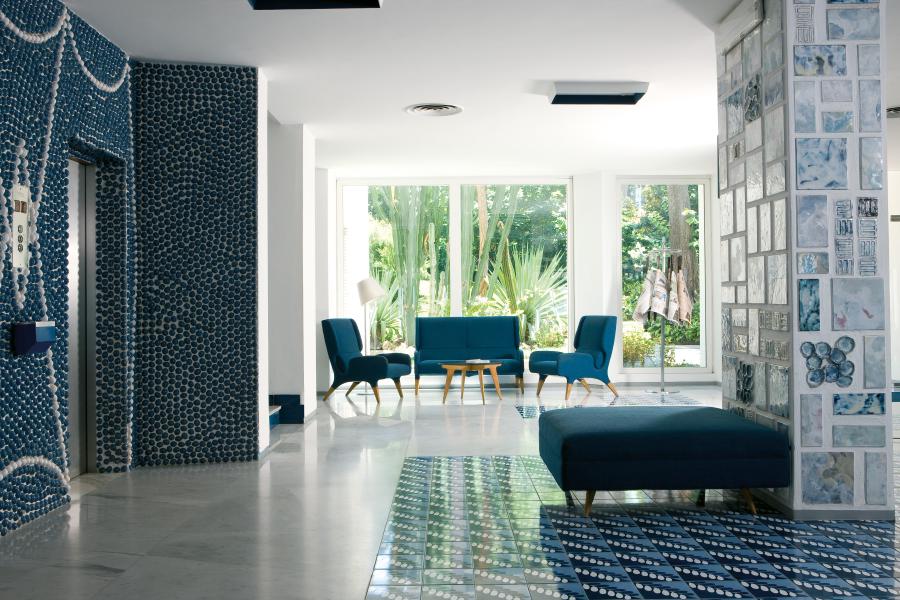
managed to combine local influences (Salerno porcelain) with artistic endowments of other cultures (Meloti porcelain panels),
Move in color choices that respect the environment and nature, through the color scheme.
Today, more than ever, the hotel is celebrated as an exemplary work of contemporary architecture.

History of Parco Dei Principi Sorrento
The hotel was inaugurated on April 11, 1962, and since that day it has been a witness to the absolute
and delightful intuition of the engineer Roberto Fernández, who (as Ponti wrote in the pages of Domus):
“He had a gift for discovering the qualities that everyone had.”
“He was taken for granted, but no one knew about him.”
A man thanks to whom everyone can continue to dream and enjoy this special uniqueness.
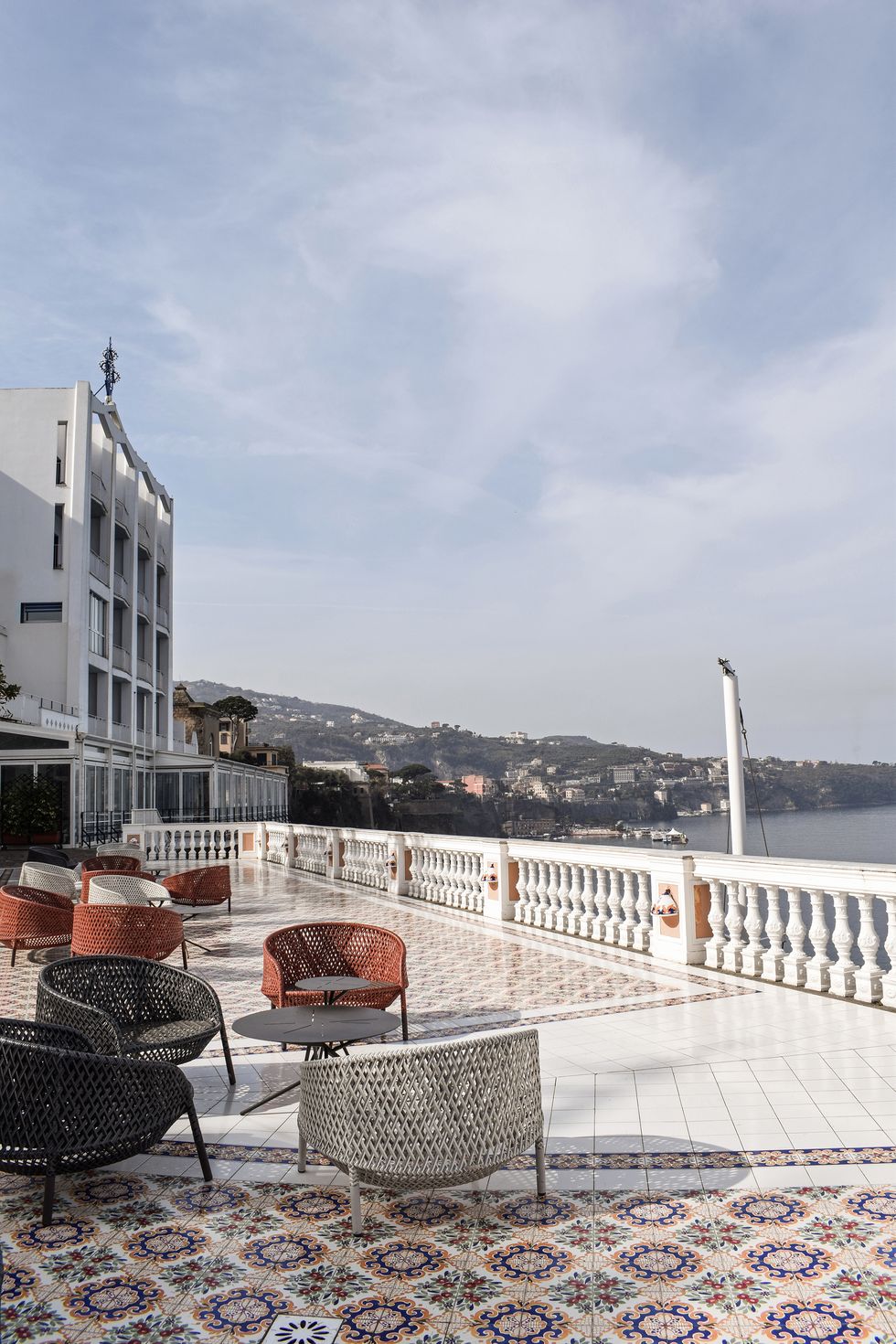
The land on which the hotel is located belonged to the Jesuit order until the eighteenth century,
when King Ferdinand IV of Naples, King of Bourbon, acquired the property.
He gave part of it to his cousin Paul Leopold of Bourbon, Count of Syracuse.
In 1792, the Count built Villa Poggio Siracusa,
Its luxurious rooms hosted ladies and barons eager to spend leisure time in the joyful Garden of Eden.
After the tragic death of the Count’s lover, a period of decline began that lasted until 1885,
when the Korczakau family bought the area.
The villa was returned to its original glory to become a scene of stories, emotions and famous receptions.
The new owners then began the stunning construction of a country house in the English Gothic style for use for the future visit of the famous cousin Tsar Nicholas II of Russia.
Now the hotel sits directly on the remains of the country house, which was never completed.
Buying a villa and turning it into a hotel
Roberto Fernandez, the Neapolitan architect, bought the land in 1959 and commissioned the architect Gio Ponti to convert the place into a hotel.
The historical legacy, exceptional location and natural colors inspired Ponti to create a structure rooted in the land that is characterized by the verticality of the ancient dacha and the coast of Sorrento.
The hotel’s private beach was connected through tunnels dug into the rock.
A path leads through rock tunnels from the hotel to the private beach.
https://archup.net/deus-videt-te-house-and-ceramic-studio-objekt-architecten/
The two slopes equipped with a solarium provide the pleasure of being in the sun,
but in close contact with the crystal clear water.
Within the gardens there is a saltwater swimming pool surrounded by rare plant specimens,
designed by Gio Ponti.
Small, relaxing islands emerge from the pool,
and a diving board appears to be suspended above the water.
While Gio Ponti Restaurant gives an instant telescope effect that magnifies the sea view with its wide spaces and absence of frescoes.
In the hotel’s main restaurant, it is possible to start each new day with a delicious breakfast or dinner to end it with joy.
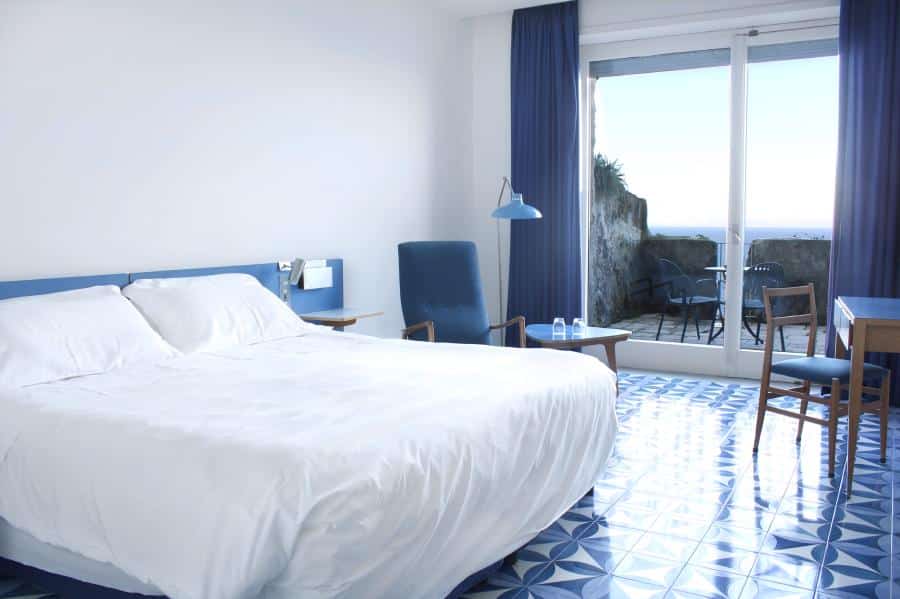
The hotel has bright rooms overlooking the botanical gardens,
where blue in all its shades envelops the interior spaces and green surrounds the view from the outside.
https://archup.net/bromelia-shelter-plup-studio-costa-rica/