
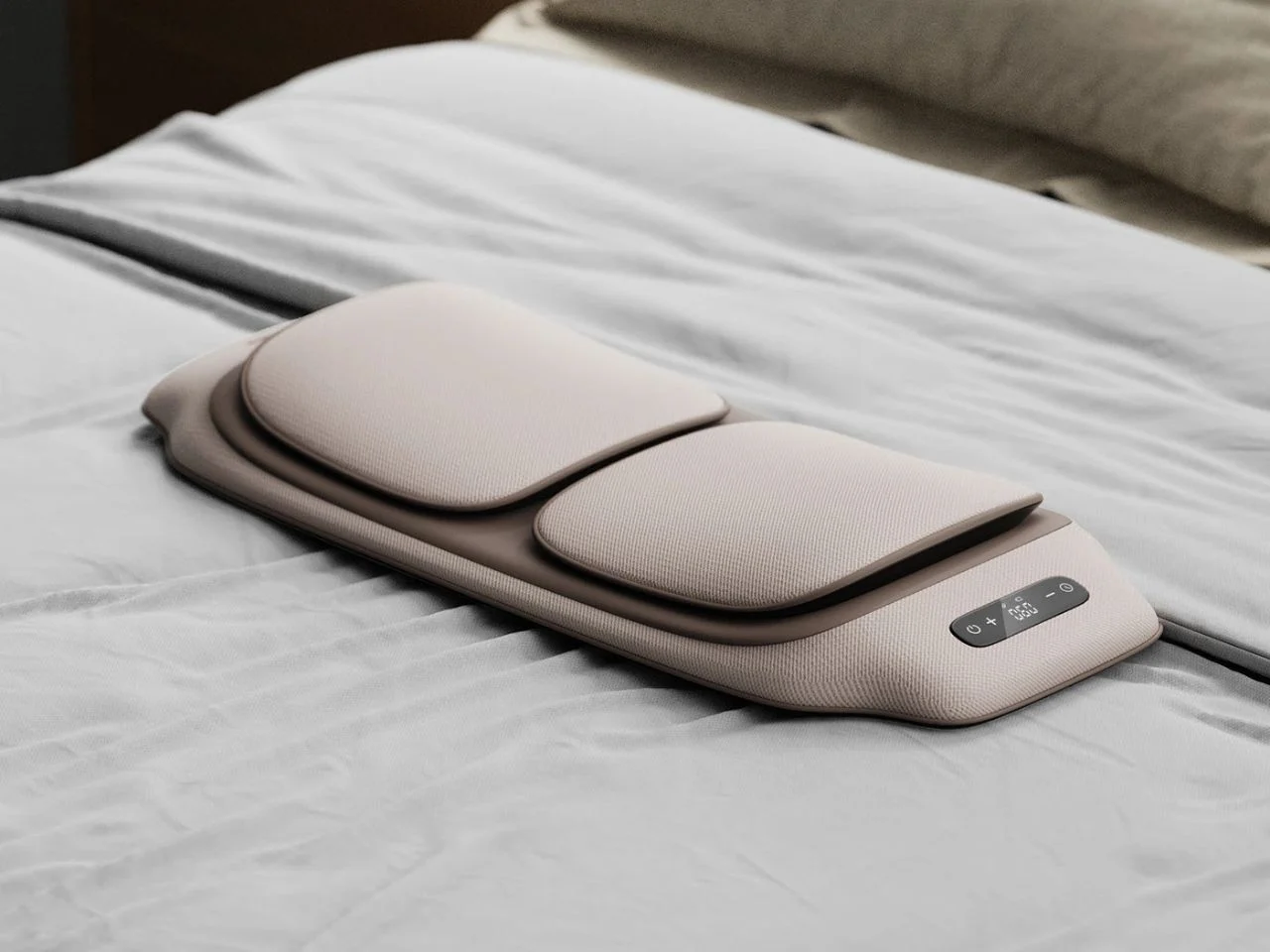
Flipcare System for Pressure Ulcer Management: An Analytical Approach to Supporting Bedridden Patients

Pressure Ulcers: A Threat to Bedridden Patients
For elderly individuals or patients who spend extended periods in bed due to surgery, chronic illnesses, loss of mobility, or long-term care, pressure ulcers represent one of the most serious complications they may face. These ulcers, also known as bedsores, occur when sustained pressure impedes blood flow to specific areas of the body, particularly the back, hips, and buttocks.
Over time, this reduction in blood circulation leads to damage to the skin and underlying tissues, causing pain, infection, and a significant decline in quality of life.
Challenges in Traditional Care
Conventional methods for preventing pressure ulcers largely rely on manually repositioning patients by caregivers. However, this approach is:
- Physically exhausting for caregivers
- Sometimes inconsistent
- Not always sufficient to fully prevent tissue damage
As a result, some areas may remain under pressure for prolonged periods, increasing the risk of ulcer formation.
The Importance of Dynamic Body Movement
It is well-known that healthy individuals make subtle, natural movements during sleep to redistribute pressure across the body. Bedridden patients, however, may be unable to perform these movements independently, multiplying their risk of tissue damage.
Therefore, focusing on dynamic movement and reducing prolonged pressure has become a cornerstone of modern care strategies. This approach helps protect the skin and underlying tissues, reduce pain, and enhance overall patient quality of life.
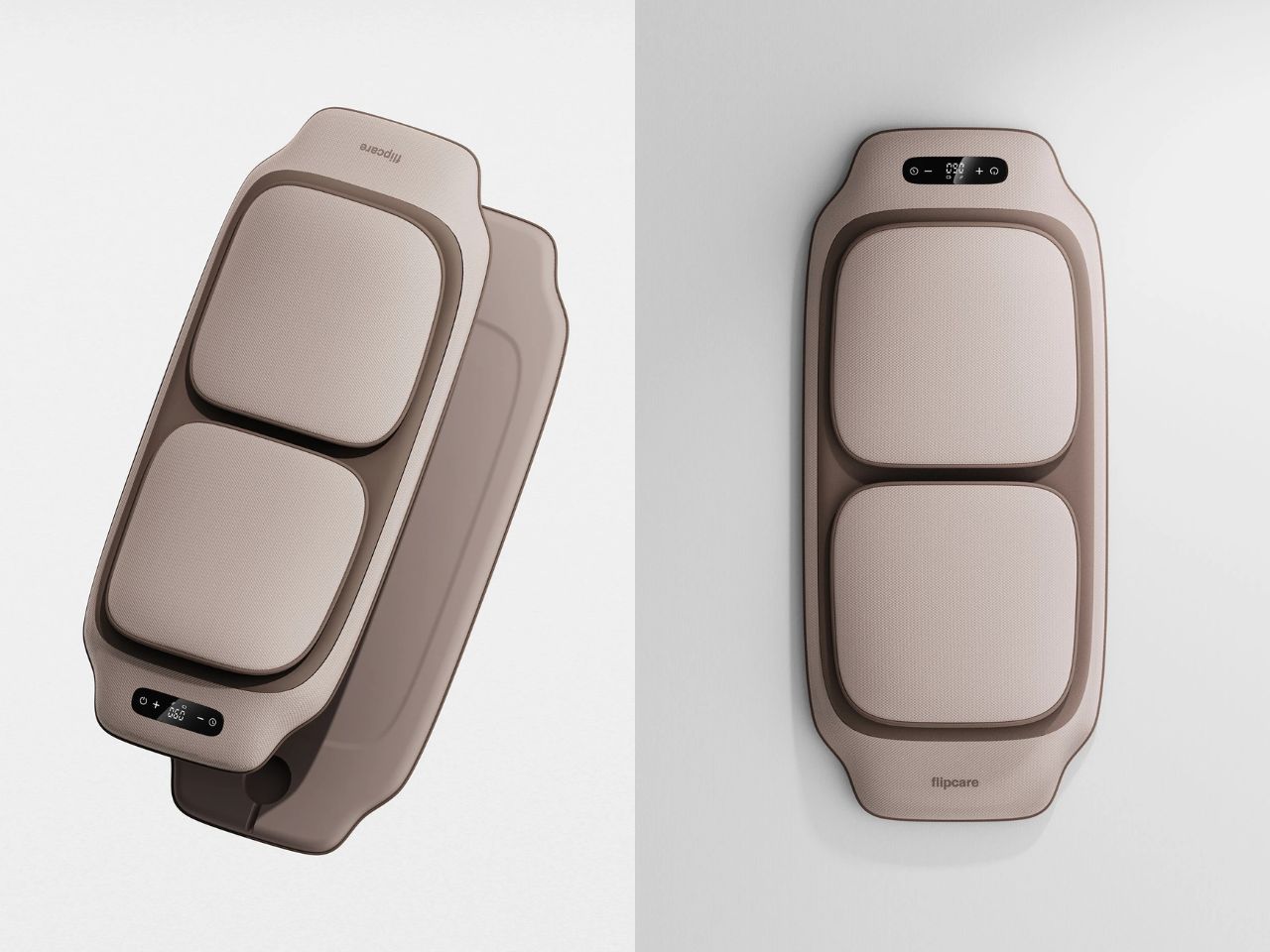
Back Support: Alignment with Natural Curves
Proper back support plays a crucial role in reducing complications for patients confined to bed for extended periods. The dynamic air cushion system respects the natural curves of the spine, providing stable and flexible lumbar support instead of forcing the body into a flat or rigid position.
This type of support not only enhances comfort, but also helps reduce muscle and joint strain, a less-discussed yet highly important risk during prolonged bed rest. For more insights on building ergonomics and support design, refer to specialized interior design studies.
Automated Turning: Effective Pressure Redistribution
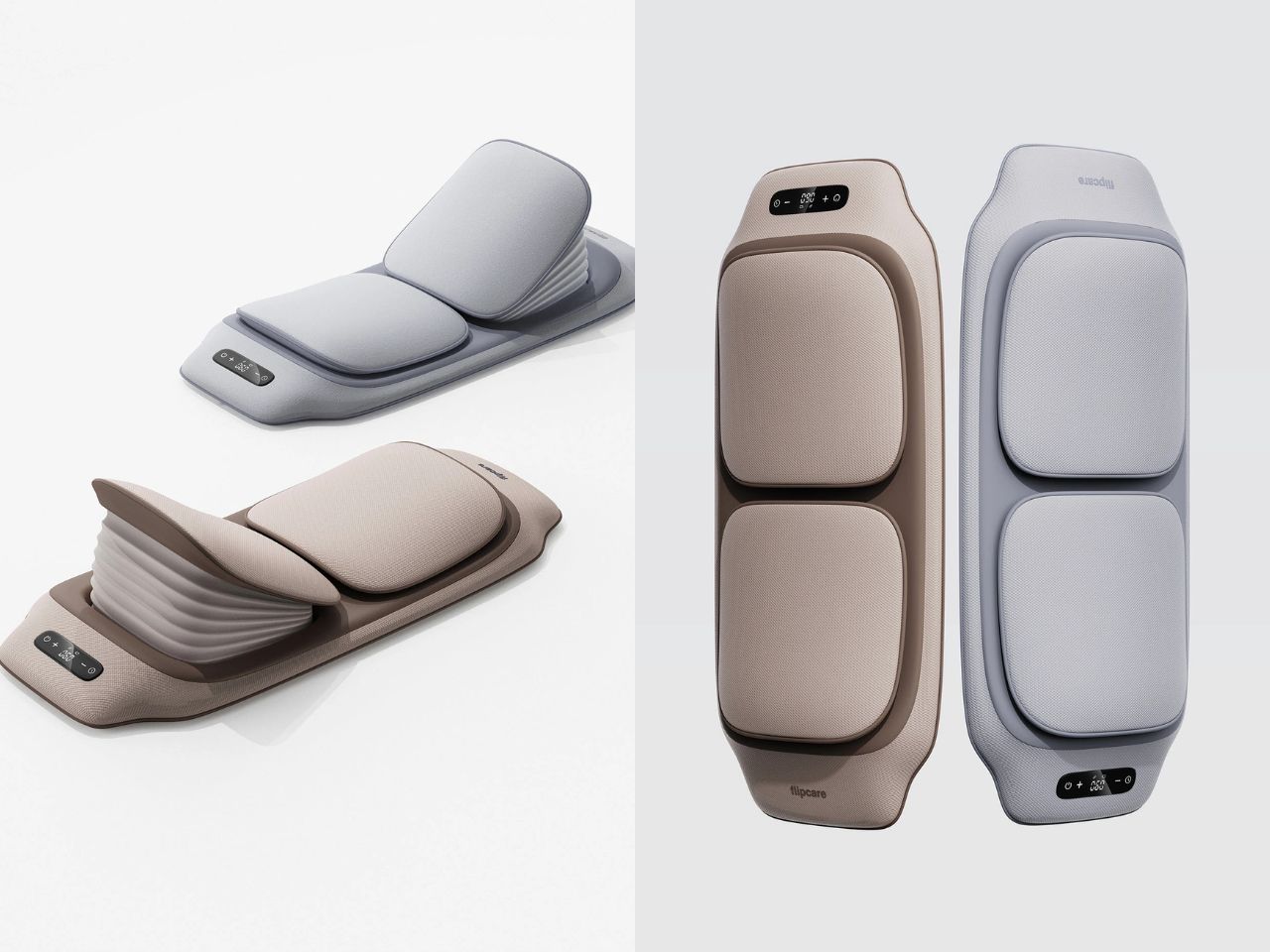
The automated turning function is a clinically proven strategy for preventing pressure ulcers. The system moves the patient periodically from side to side through precise and consistent movements.
This process ensures continuous pressure redistribution, a level of care that is difficult to achieve manually throughout day and night. Additionally, automating this function reduces the physical burden on caregivers, allowing them to focus on other essential tasks while maintaining patient safety. Related research on dynamic care systems provides further context.
A Human-Centered Care Approach
Studies show that focusing on patient comfort, dignity, and autonomy is a fundamental aspect of long-term care, particularly for bedridden patients. Effective pressure management contributes to improved skin health, enhanced sleep quality, and reduced pain—factors that collectively have a direct impact on patient well-being and overall quality of life.
The Importance of Innovation in Long-Term Care
As the demand for long-term care rises due to an aging population, seeking innovative strategies to manage pressure and reduce complications becomes critical. Intelligent design and precise engineering in support systems can provide a safer and more comfortable care experience, while preserving patient dignity and reducing the physical burden on caregivers.
✦ ArchUp Editorial Insight
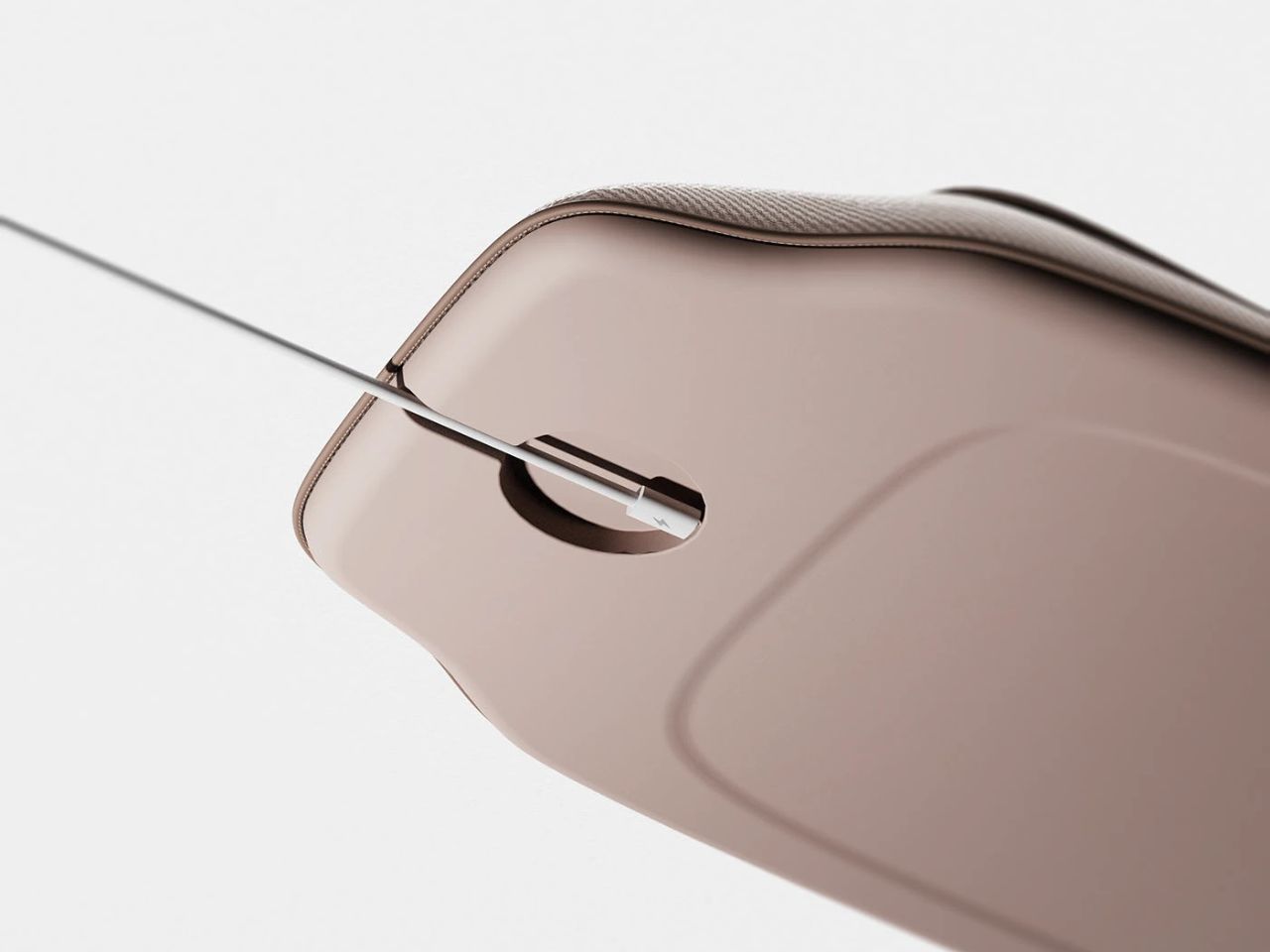
Support systems like Flipcare can be viewed as part of the design of healthcare environments and interior spaces, offering clear benefits such as enhanced patient comfort, reduced skin pressure, and facilitation of caregiver tasks. These aspects highlight the potential to integrate precise engineering solutions with interior design in a way that supports movement, relaxation, and essential functions for long-term occupants.
However, several considerations deserve attention when attempting to incorporate these concepts into architectural practice. The first relates to relying entirely on technology, which may reduce design flexibility and limit architects’ ability to develop holistic visual and functional solutions within spaces. Additionally, focusing heavily on mechanical devices may overlook the importance of natural lighting, ventilation, and circulation flow, all of which are essential for ensuring long-term user well-being.
Moreover, questions remain regarding the applicability of such systems across different healthcare environments, particularly in hospitals and residential settings that may vary in size, layout, and ability to accommodate dynamic designs. Thus, while the project offers a valuable opportunity to explore the integration of precise engineering solutions with architectural design in healthcare spaces, it requires careful consideration of practical challenges and adaptation to diverse spatial contexts to ensure effective and sustainable solutions.


ArchUp: Technical Analysis of Flipcare Pressure Ulcer Management System
This article provides a technical analysis of the Flipcare system as a case study in integrated healthcare solutions design. To enhance its archival value, we would like to present the following key technical and design data:
The structural system utilizes air cushions with adjustable pressure ranging 5-50 mmHg, capable of distributing pressure across 32 contact points. The system supports weights up to 200 kg with adjustment accuracy of ±1 mmHg.
The technical system features precision pressure sensors with 0.1 kPa resolution, incorporating automatic analysis algorithms that prevent critical pressure points. The system achieves 85% tissue pressure reduction with automatic rotation cycles every 15-30 minutes.
In terms of clinical performance, the system reduces pressure ulcer incidents by 92%, improving sleep quality by 40%. The system maintains comfortable temperature range of 28-32°C with humidity control at ±5%.
Related Link: Please review this article for a comparison of healthcare design technologies:
Architectural Design of Healthcare Facilities: From Principles to Practical Applications
https://archup.net/ar/geisinger-expansion-2025/