Reverse Thinking: A Chair That Invites Sensory Participation and Redefines Well-being

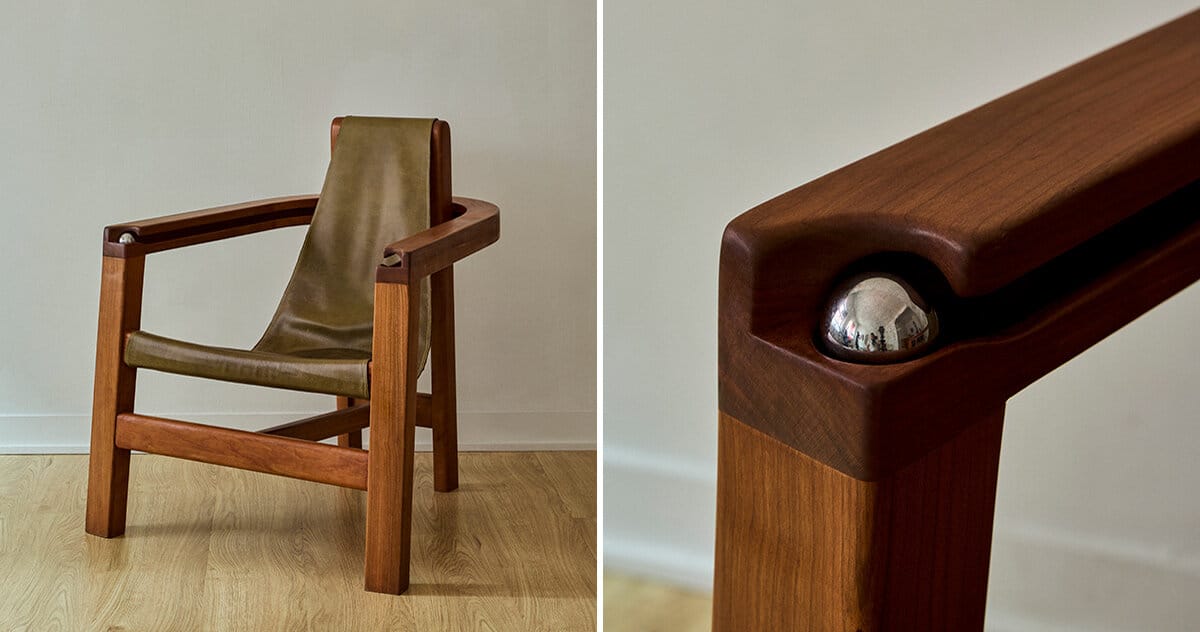
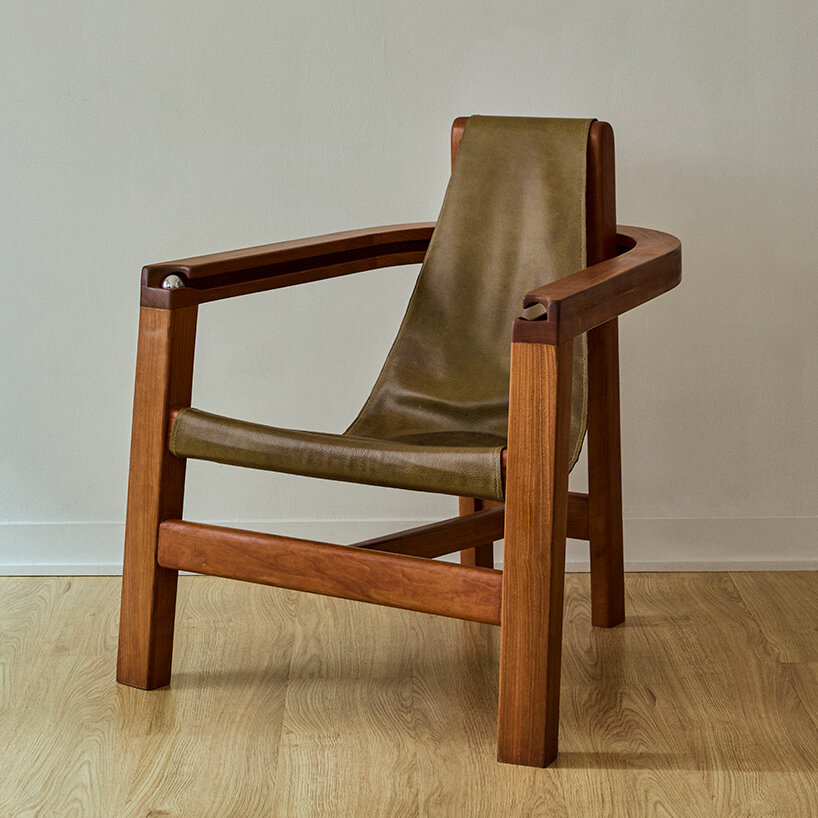
In a design world where furniture is often seen as merely functional, Tanuvi Hegde, an innovative Brooklyn-based furniture designer, presents a revolutionary vision with her “Reverse Chair” a piece that offers not just physical comfort but transforms sitting into an active meditative experience. Part of her collection “Furniture for Anxious Being”, this design challenges conventional notions by incorporating touch, sound, and movement, making it a tool for emotional connection with one’s surroundings.
From Fidgeting to Meditation: The Design Philosophy
The inspiration stemmed from Hegde’s personal exploration of design’s role in emotional well-being. She observed how traditional designs often overlook unconscious behaviors like fidgeting those small, repetitive movements that soothe nerves. Drawing from the low-frequency vibrations in sound healing sessions, she sought to translate this non-verbal, embodied experience into furniture. The result? A chair that acts as a mediator between body and space, channeling anxiety into directed energy.
The Devil in the Details: A Steel Ball and Warm Cherry Wood
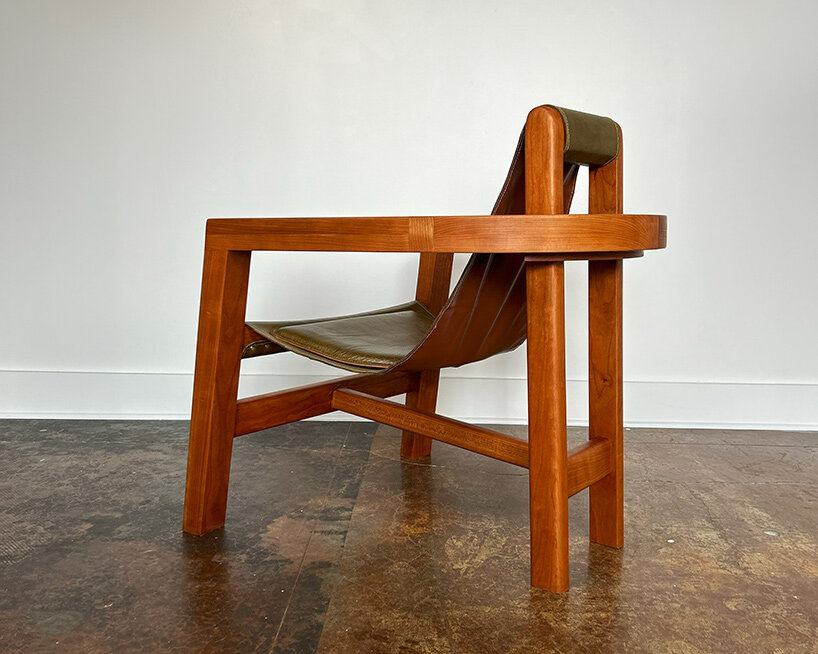
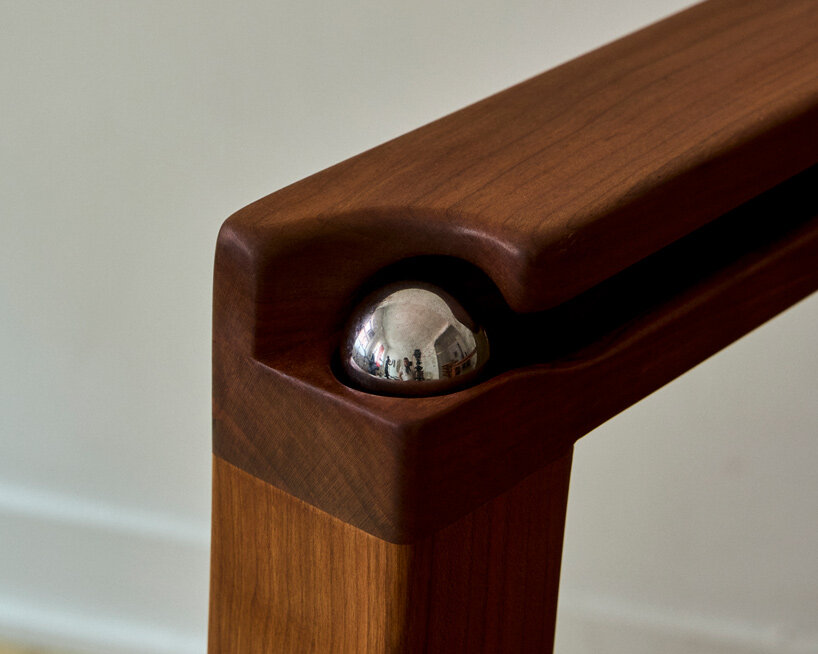
While aesthetically minimalist and serene, the chair hides a rich interactive layer: a steel ball embedded in the armrest. When rolled, it produces subtle vibrations and rhythmic sounds, grounding users in their physical presence and inviting sensory engagement. The carefully chosen materials like naturally warm cherry wood and hand-stitched leather enhance comfort and connection, turning interaction into an immersive experience.
Furniture That Speaks the Language of Emotion
This chair isn’t just for sitting; it’s a daily ritual for self-awareness. The ball’s slow movement encourages mindful motion, while its sturdy yet elegant design reflects Hegde’s philosophy of merging aesthetics with therapeutic function. This approach contrasts with “fast design” culture that prioritizes form over depth, posing a fundamental question: Can furniture be an emotional companion?
“Furniture for Anxious Being”: Challenging Passivity
The chair debuted at the OUT/IN exhibit during NYCXDESIGN 2025, curated by Lyle Gallery and Hello Human. The collection reimagines furniture as interactive and empathetic, reshaping our relationship with personal space. Here, pieces aren’t made for consumption but for conscious presence.
✦ ArchUp Editorial Insight
In an era of rising anxiety and environmental detachment, Tanuvi Hegde’s chair proposes a bold idea: furniture as a medium for bodily and emotional awareness. Its clever design reframes fidgeting often dismissed as distraction into a meditative tool, using vibrations and texture to enhance mindfulness. Yet, one might question whether this approach requires a certain level of self-awareness to be effective or if it caters to a niche audience. Regardless, the project’s strength lies in defying stereotypes, reminding us that good design speaks not just to the eyes, but to the body and soul.
Brought to you by the ArchUp Editorial Team
Inspiration starts here. Dive deeper into Architecture, Interior Design, Research, Cities, Design, and cutting-edge Projectson ArchUp.