
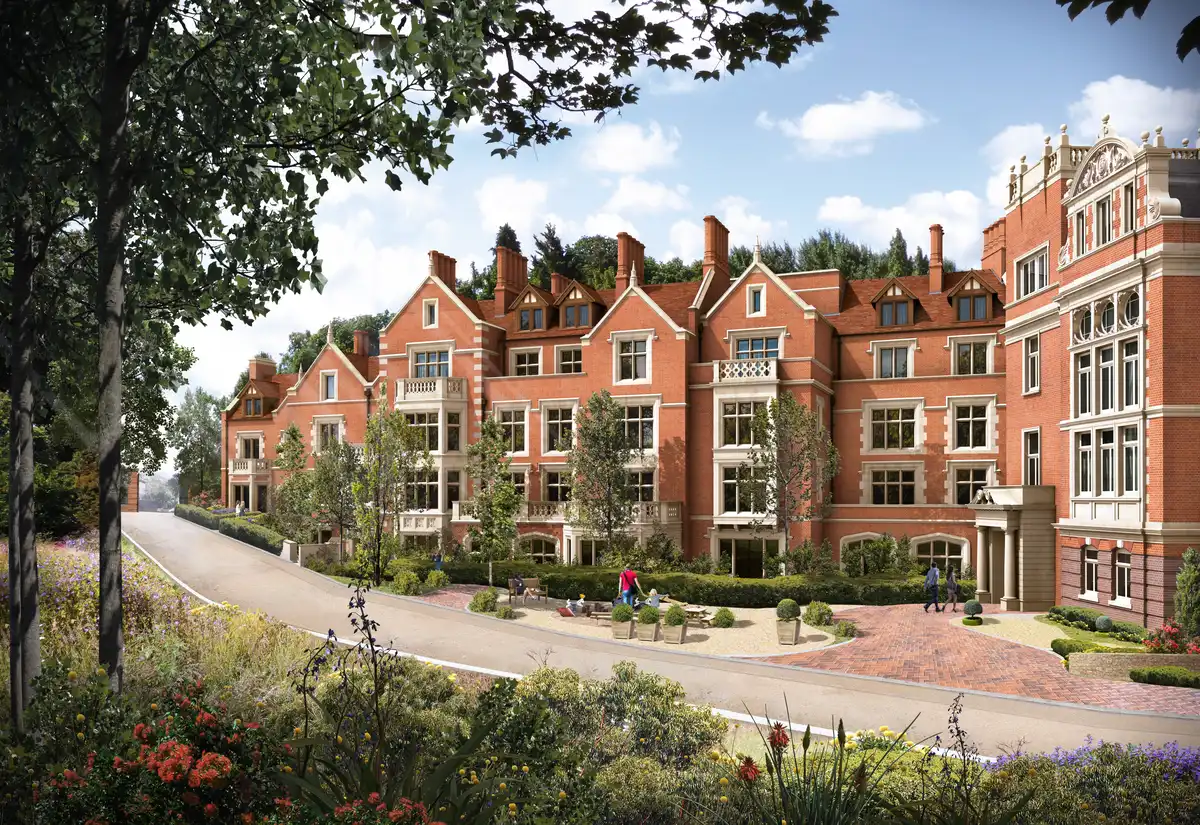
North Hampstead Project: Reviving an Edwardian Mansion at £16.4 Million

Reviving the Edwardian Heritage in Hampstead Village became the focus of a bold move by a property developer. The developer acquired the historic Branch Hill House, finalizing the purchase for approximately £16.4 million. Their ambitious plan aims to transform the property into a luxury residential complex named No.1 Hampstead.
The First Threshold: Crossing History’s Gate
Upon approach, the visitor encounters a majestic mansion spanning 23,456 sq. ft. 1.7 acres of landscaped gardens embrace it. The building itself dates back to 1901. The mansion clearly displays the stately Edwardian Baroque architectural design style. It features solid massing and rich stucco detailing. A prominent banking figure originally seated this mansion. The mansion stood silent for many years. It had previously served as a care home during one period. The developer began Reviving the Edwardian Heritage in London by addressing this historical contrast.
The Design Challenge: Merging Layers of Time
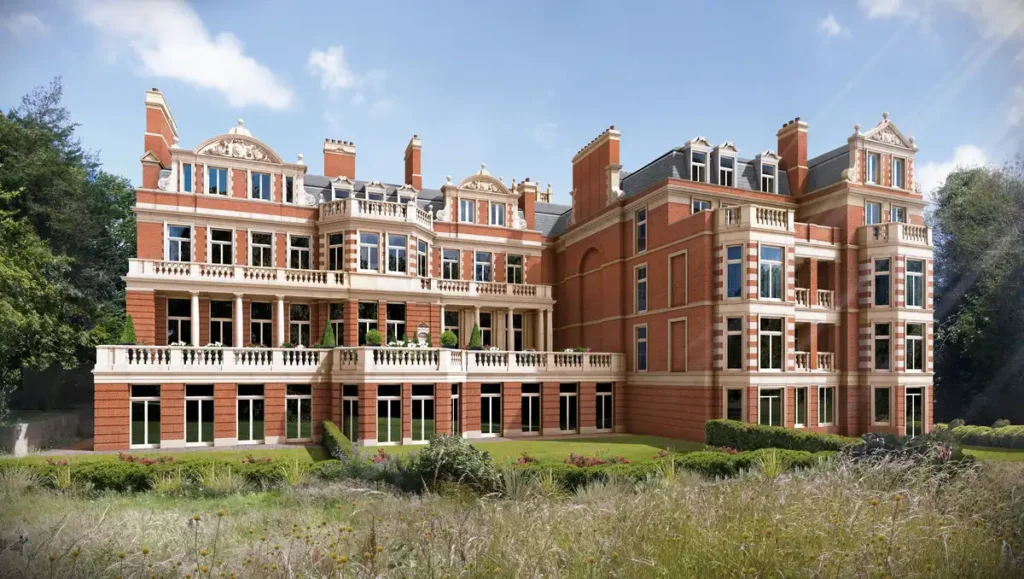
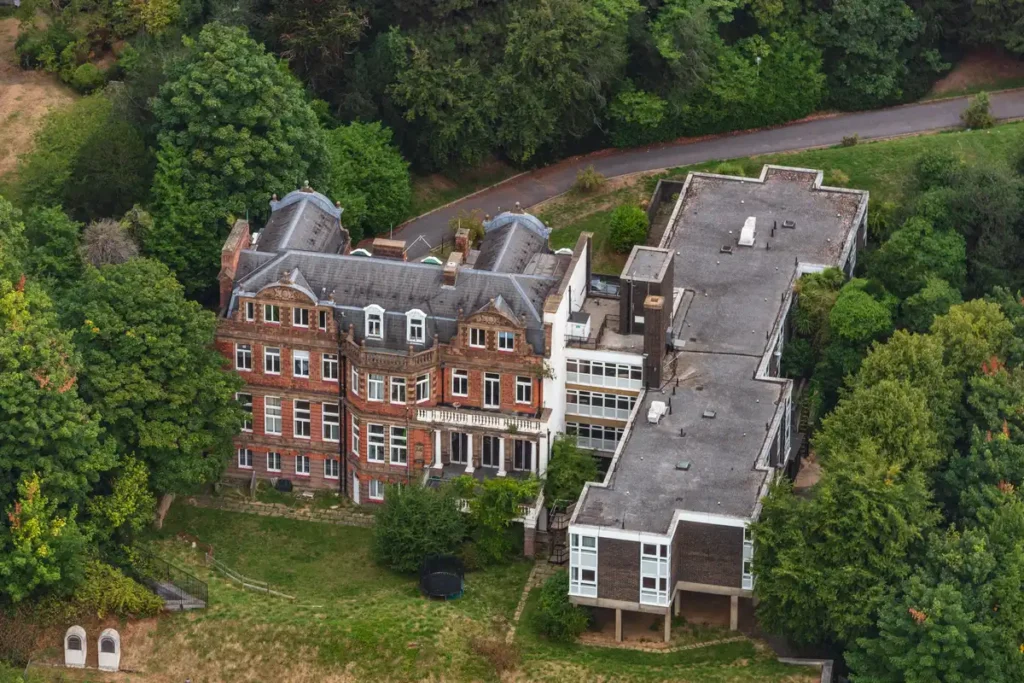
The project poses a clear architectural challenge. The team must balance preserving the historical essence with meeting modern residential demands. The scheme aims for meticulous restoration of the original mansion. This includes preserving its distinctive architectural features. Concurrently, the project must handle a modern addition from 1967. This wing occupied part of the site.
The plan necessitates removing this non-conforming modern wing. A new structure will then complement the Edwardian style. This design decision ensures consistency and unity in the architectural façade. It thus visually enhances the idea of Reviving the Edwardian Heritage in London.
The Experiential Journey: Pathways and Environmental Harmony
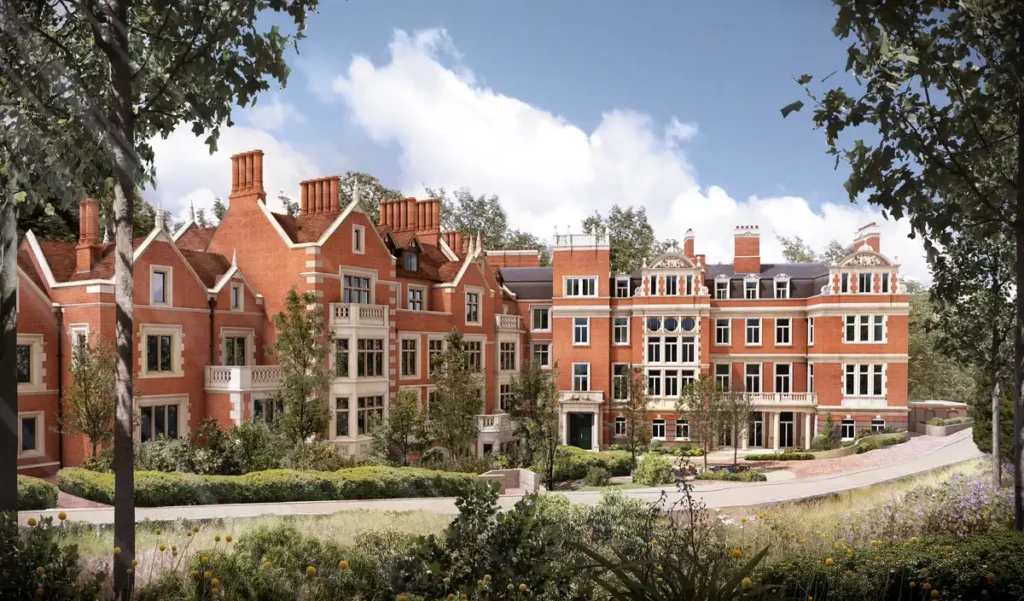
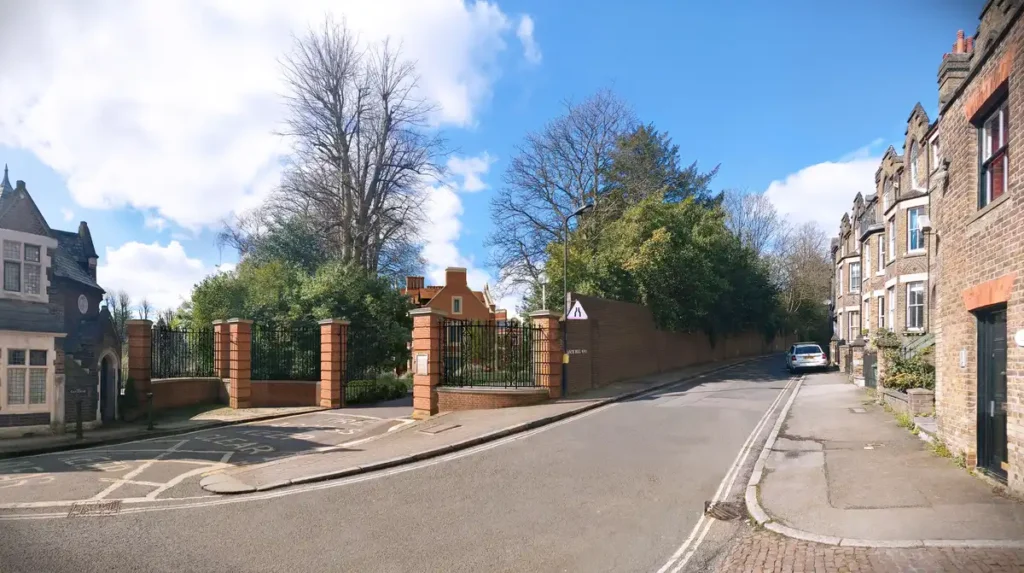
The future resident’s experience centers on fluid movement. This movement starts from the road gate to the estate’s heart. The proposed path runs through carefully curated gardens. This sets the stage for a private and serene residential experience. Indoors, the redesign plan aims to preserve the original quality.
- High Ceilings: These ensure a sense of spaciousness. They allow natural light to penetrate deeply.
- Large Bay Windows: This is a core feature of Edwardian architecture. They offer expansive views of the gardens. They flood the internal spaces with daylight.
- Cornice Details: The team meticulously reinstates these details. They reflect the original craftsmanship of the period.
The project will include approximately 50 lateral apartments. It will also feature a dedicated detached townhouse. This restores the residential function while increasing density within the restored architectural context.
Techniques and Materials Used in Construction
The project for Reviving the Edwardian Heritage in London relies on modern construction techniques. The team uses materials consistent with the historical character. The goal is to ensure durability and thermal performance. The most notable materials and techniques include:
- Brick and Stone Cladding: The team will reuse and supplement local stone. Its ratio is approximately 65% in the restored and new façades. This maintains color and texture consistency.
- Thermal Insulation System: They apply advanced thermal insulation to walls and ceilings. Its efficiency reaches up to 80% compared to uninsulated Edwardian buildings.
- Glass and Windows: The team uses Double Glazing with custom-designed timber frames. These mimic the original windows. This reduces heat loss by 40%.
- Home Technology: They integrate sophisticated control systems. These include climate and lighting control. This ensures energy efficiency and comfort.
The expected construction program spans three years. Critics view this development as part of a wider urban planning evolution. This process aims to modernize and sustain major historical buildings in the city. Sales are anticipated to launch in early 2028.
✦ Editorial View from ArchUp
The developer’s acquisition of Branch Hill House for £16.4M, transforming the Edwardian mansion into approximately 50 luxury apartments, confirms the growing trend of capital targeting non-listed heritage assets for density exploitation. The essential architectural critique lies in the design strategy led by Stanhope Gate Architecture, which prioritizes the ‘restoration’ of the Edwardian aesthetic by removing the 1960s modern wing. This replacement, which erases a historical layer from the building’s time as a social care home, constitutes a deliberate sanitization of the social narrative for the sake of market uniformity and maximized property value. This tactic, while ensuring high-quality exterior execution, poses an ethical challenge regarding transparency in dealing with heritage. This project will later be recorded as a clear case study on how heritage properties are adapted to meet 2028 market demands.


