Riyadh Metro Secures New Fleet Contract for Lines 3 and 6

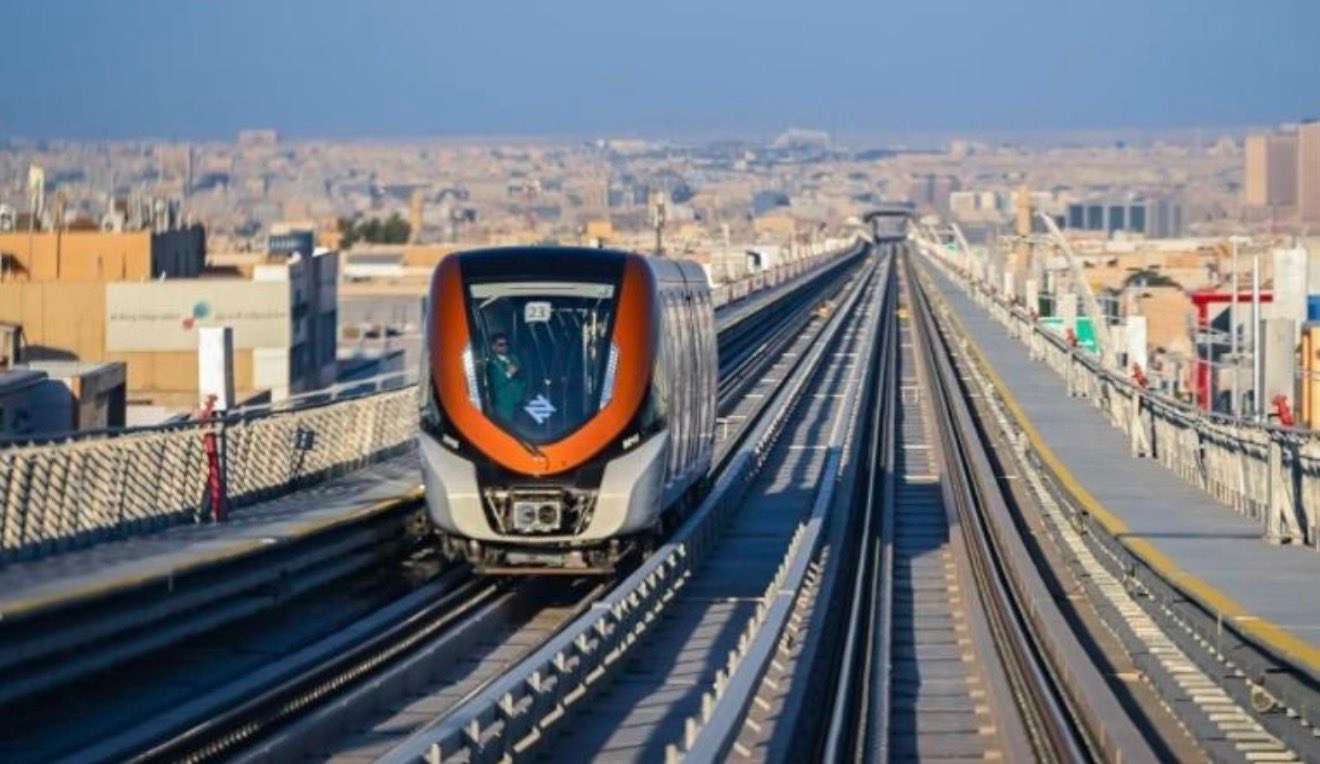
Riyadh has locked in a 500-million-euro contract for extra metro cars on lines 3 and 6. The deal also backs a local assembly plant that will serve the planned seventh line. The move strengthens fleet capacity and local manufacturing inside the capital’s expanding rapid-transit network.
The contract covers additional rolling stock for two operational corridors. Line 3 and line 6 already carry passengers across key districts. Extra cars will raise service frequency and ease peak-hour crowding on those routes.
At the same time, the agreement supports investment in a train-assembly factory inside the kingdom. That facility will build cars for the new seventh line. Local production shortens supply chains and builds industrial capacity for future metro phases.
Fleet Expansion and Corridor Capacity
Lines 3 and 6 form major spines of the Riyadh Metro. Additional cars let operators run longer trains or tighter headways. The network gains operational flexibility without new track construction.
The cars will match existing fleet standards so they integrate with current signaling and platform systems. This approach keeps maintenance simple and avoids mixed-technology problems on the same corridor.
Local Assembly Plant for Line 7
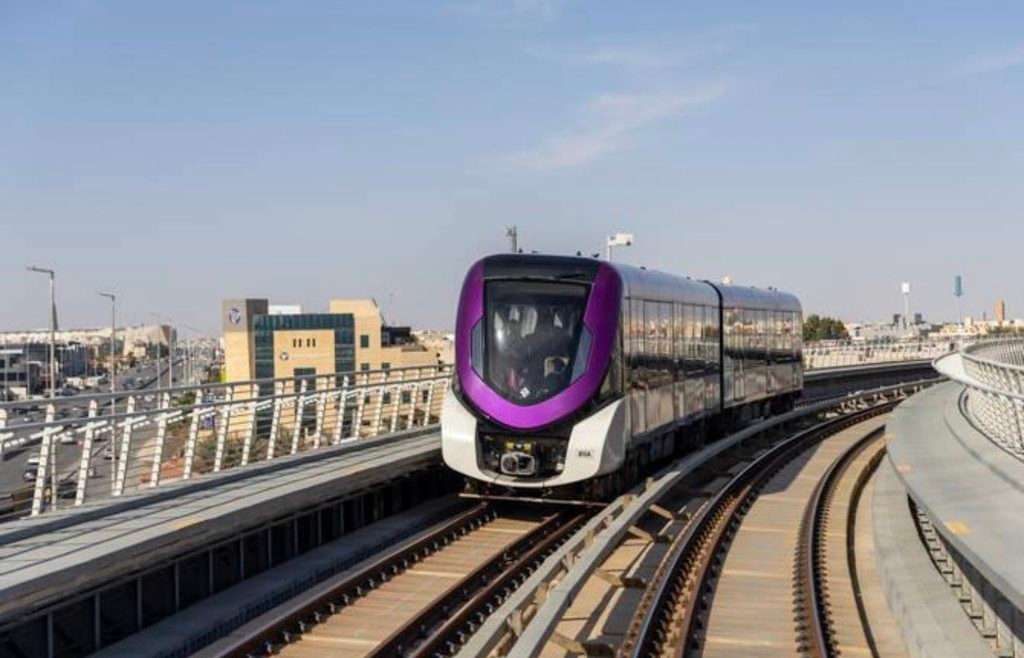
The companion agreement funds a factory that will assemble metro cars in the kingdom. The plant targets the seventh line, a new corridor still in planning. Local assembly reduces import dependence and creates skilled industrial jobs.
In this context, the factory becomes part of the wider metro program rather than a separate industrial project. It ties vehicle production directly to network growth. Future lines can draw on the same manufacturing base.
The combined package therefore addresses both immediate capacity needs and longer-term industrial strategy. Existing lines receive more cars. The next line gains a domestic supply source. Together these steps reinforce the capital’s rapid-transit backbone.
Network Logic and Industrial Integration
The contract treats rolling stock as infrastructure rather than isolated equipment. Extra cars on lines 3 and 6 raise throughput on corridors already in service. The assembly plant then embeds vehicle production inside the national construction and industrial base. This dual move links daily operations to long-range manufacturing capacity. Spatial consequence appears at two scales: denser service on existing elevated and at-grade alignments, and a new industrial node that feeds the next corridor. The approach keeps the metro program coherent while shifting part of the supply chain onto domestic ground. Unresolved tension remains around the exact scale and timeline of the seventh line, yet the industrial commitment already shapes how that corridor will materialize.
✦ ArchUp Editorial Insight
The 500-million-euro package reframes metro expansion as a manufacturing decision as much as a transport one. Extra cars on lines 3 and 6 raise immediate capacity, while the assembly plant locks vehicle production into the kingdom’s industrial map. The real architectural argument sits in this coupling of fleet and factory: the network no longer only moves people; it also produces its own rolling stock. Yet the counter-view is sharp. Local assembly may satisfy industrial policy, but it does not automatically guarantee better cities or smoother passenger flow. Without parallel investment in station capacity, last-mile links, and operational staffing, the new cars risk becoming under-used assets. The plant itself could become a sunk cost if line 7 timelines slip. Infrastructure success still depends on the full urban system, not only on where the trains are built.
Project Team: Alstom. Location: Riyadh, Saudi Arabia.
Project Notes: New 500-million-euro contract for additional metro cars on lines 3 and 6. Agreement also supports investment in a local train-assembly plant to serve the planned seventh line. Client and full timeline details not specified in source.