Segway Ventures into E-bike Innovation: A Leap Towards Sustainable Urban Mobility

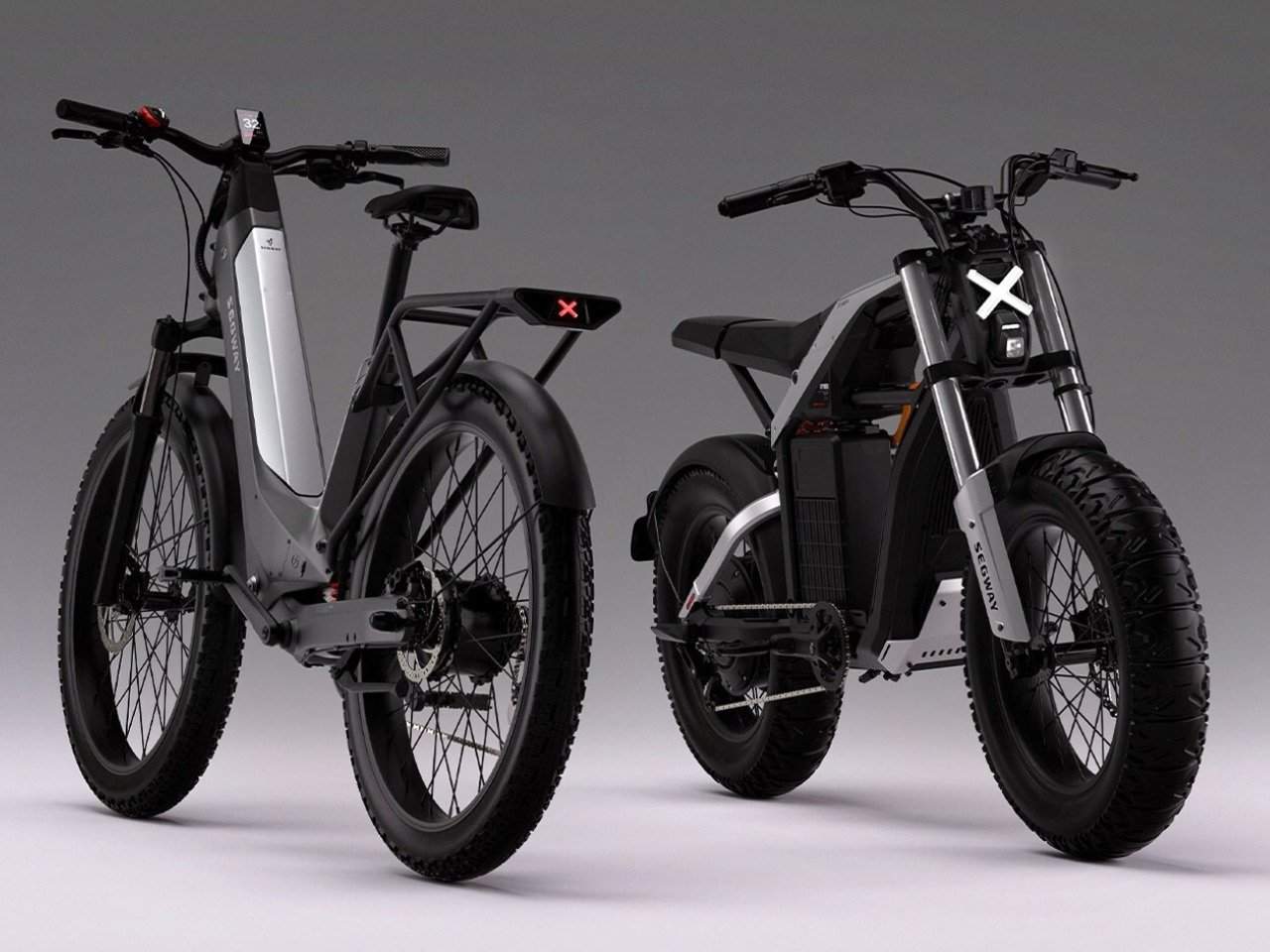
Renowned for pioneering self-balancing micro-mobility solutions, Segway is now making significant strides into the electric bike market. Revealed at the Consumer Electronics Show 2025, Segway introduced two innovative e-bikes, the Xyber and the Xafari. These bikes are not just about mobility; they are about reshaping urban landscapes with smart, sustainable transportation options.
The Xyber and Xafari models mark Segway’s bold entry into e-bikes, designed to enhance urban commuting with a blend of safety, convenience, and accessibility. These bikes integrate the Segway Intelligent Ride System, which includes an array of advanced features tailored to the modern urbanite’s needs. From an anti-theft AirLock system to an intelligent lighting setup, these e-bikes are engineered to support a safer and more engaging riding experience.
Moreover, the bikes are equipped with IoT capabilities that allow for remote management, over-the-air software updates, and an automatic brightness-adjustable TFT display, ensuring they remain at the forefront of technology. The inclusion of fitness tracking through the accompanying app highlights a commitment to health and environmentally conscious living.
Architectural Perspective: The introduction of the Xyber and Xafari e-bikes by Segway presents a unique opportunity to rethink urban mobility in architectural terms. As cities evolve, the demand for integrated, sustainable transport solutions becomes crucial. These e-bikes offer a glimpse into how design and technology can converge to facilitate smoother, more efficient urban living. Architects and urban planners can consider these models as part of broader discussions on reducing urban congestion and enhancing the aesthetic and functional aspects of cityscapes.
Conclusion: With the Xyber and Xafari, Segway is not just diversifying its portfolio but is also championing the cause of sustainable urban design. By embedding advanced technological features into user-friendly designs, Segway sets a new standard for what urban mobility can look like in the future. As these e-bikes start hitting the streets in February following their immediate availability for pre-order, they promise to be a valuable addition to the eco-friendly commuting landscape, making them a critical consideration for future urban development projects.
Call to Action: For professionals in architecture and urban planning, the Segway e-bikes offer exciting insights into the future of urban mobility. Explore more about how integrating such technologies can transform urban environments at ArchUp.