Seoul Robot & AI Museum: A Gateway to the Future


In an era of rapid technological advancement, the Seoul Robot & AI Museum stands out as an ambitious project that combines education and innovation. Located in the northern part of South Korea’s capital, the museum spans 7,400 square meters. It is designed to be more than just a venue for showcasing technological tools; its primary goal is to enhance interaction between humans and advanced technology. In this article, we will explore the main highlights of the museum, including its unique architectural design, interactive exhibits, and future objectives. We will also discuss its importance as an educational platform and its role in shaping the future of artificial intelligence.

Architectural Design Reflecting the Future
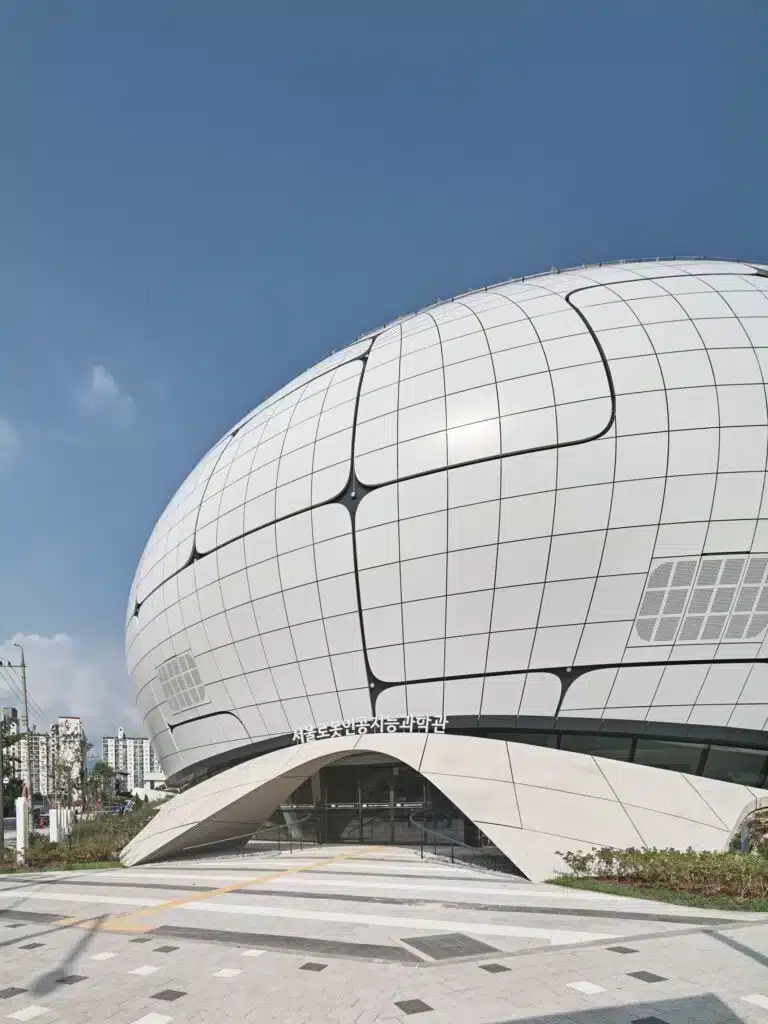
The Seoul museum is distinguished by its spherical design, which captures attention and sparks curiosity. Its modern appearance reflects the dynamic nature of technology, giving the impression of a living organism that evolves over time. The design incorporates advanced materials such as steel frames and metallic facades, manufactured using robotic welding techniques, enhancing its futuristic aesthetic.
The table below summarizes the key features of the design:
| Feature | Description |
|---|---|
| Exterior Shape | Spherical design resembling a spaceship, symbolizing evolving technology. |
| Materials Used | Steel frames and metallic facades crafted using robotic welding techniques. |
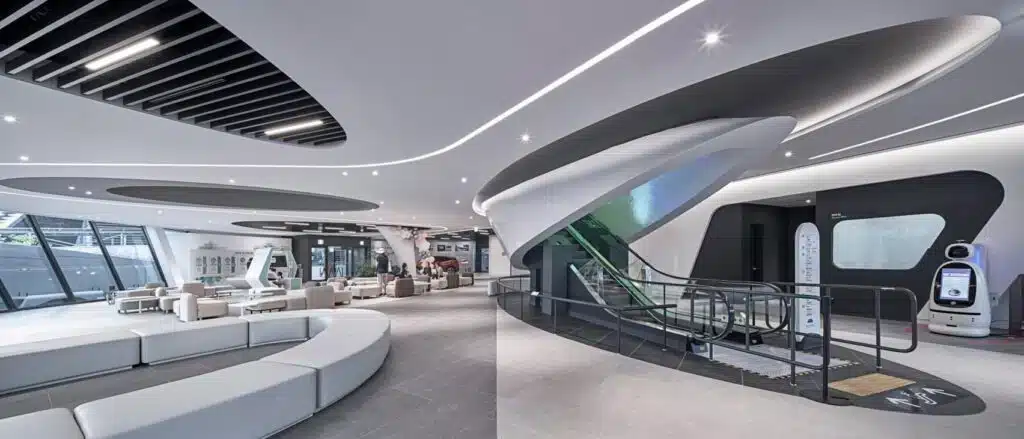
| Interior Experience | Interactive environment making visitors feel immersed in a living system. |
According to a report by South Korea’s Ministry of Culture, “The museum’s architectural design reflects the government’s vision of integrating technology into everyday life.” [Source: South Korean Ministry of Culture].

Interactive Exhibits: A Comprehensive Educational Experience
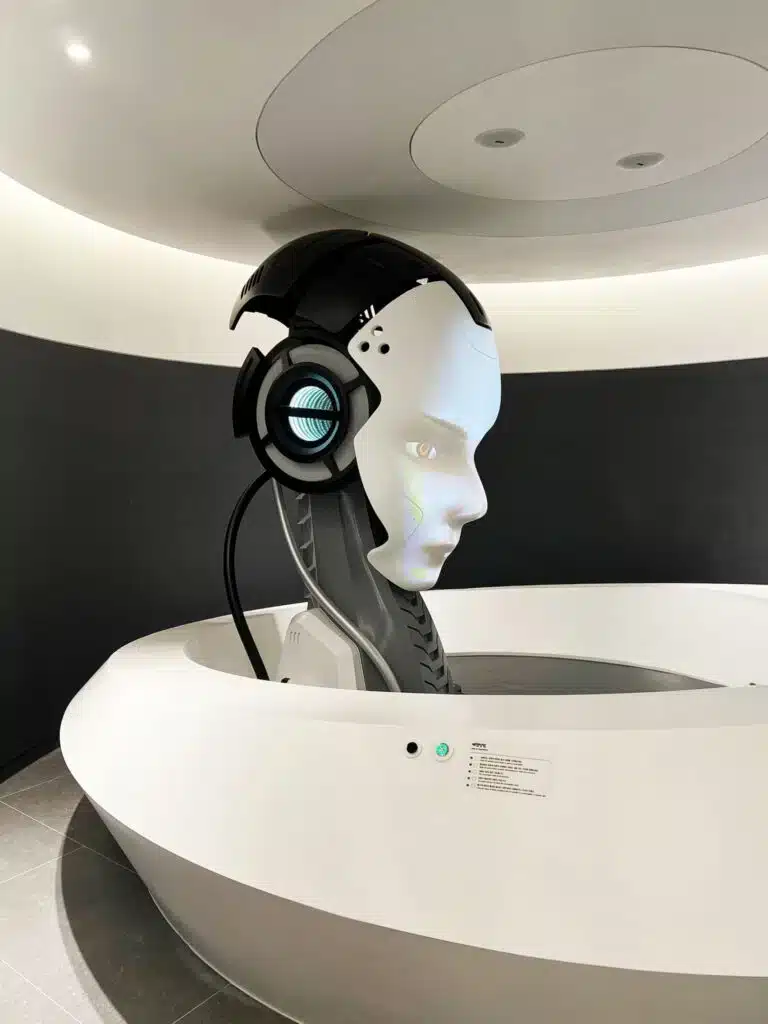
Inside the museum, visitors can explore a diverse range of exhibits highlighting applications of robotics and artificial intelligence. The ground floor features service robots, a café, a shop, and a library. The upper floors house permanent and temporary exhibitions showcasing cutting-edge innovations in fields such as medicine, industry, and education.
Notable exhibits include:
- Service Robots : Robots capable of assisting with daily tasks.
- AI Systems : Hands-on demonstrations of how artificial intelligence makes decisions.
- Medical Technology : Examples of robots used in precision surgeries.
What sets the museum apart is that it doesn’t merely display technology; it actively involves visitors. For instance, guests can interact directly with robots or test AI systems.
Future Vision: A Hub for Learning and Innovation
The museum is not a static project. It aims to grow and evolve alongside technological advancements. Plans are underway to integrate it into a broader network of similar museums across the city. This network will create an interconnected ecosystem supporting research and development, positioning Seoul as a global hub for technology.
Additionally, the museum focuses on enhancing community education through interactive programs targeting students and teachers. The goal is to make advanced technology accessible and raise awareness about its significance.
ArchUp’s Opinion: Analysis and Discussion
In ArchUp’s view, the Seoul Robot & AI Museum represents a significant step toward achieving integration between technology and society. The building’s architecture clearly reflects a forward-thinking vision, but it does face some challenges. For example, the spherical design may not be environmentally sustainable, potentially leading to higher energy consumption for heating and cooling.
On the other hand, the emphasis on direct interaction with technology is a major strength. However, museum operators must ensure regular updates to exhibits to keep pace with rapid advancements in artificial intelligence.
Frequently Asked Questions (FAQ)
- What is the size of the Seoul Robot & AI Museum?
- It spans approximately 7,400 square meters.
- Can visitors interact with the exhibits?
- Yes, the museum offers hands-on experiences with robots and AI systems.
- What are the museum’s future goals?
- It aims to become part of a wider network of museums supporting innovation and research.
- Are there educational programs at the museum?
- Yes, programs are designed to promote community education about advanced technology.
Summary Table of Key Points
| Title | Details |
|---|---|
| Location | Northern part of Seoul, South Korea. |
| Architectural Design | Spherical structure using modern materials and advanced manufacturing. |
| Exhibits | Robots, AI systems, and medical technology. |
| Future Goals | Establishing a museum network and enhancing community education. |
| Challenges | Environmental sustainability and the need for regular exhibit updates. |
Conclusion
The Seoul Robot & AI Museum serves as a living example of how technology can be integrated with education and society. Through its innovative design and interactive exhibits, the museum provides a unique experience that opens new horizons for the future. However, it must remain adaptable and responsive to challenges such as environmental sustainability and rapid technological progress to achieve its long-term goals.