

Sustainable Architecture in Educational Institutions: The Environmental Impact of Modern Museum Design

Sustainable architecture has become a key concern for modern educational institutions, particularly when it comes to designing cultural buildings like museums. The Princeton University Art Museum, designed by David Adjaye, stands out as an example of how architecture can contribute to environmental sustainability. This article explores the role of modern museum design in promoting sustainability, focusing on materials, construction techniques, and ecological strategies that make the building more environmentally friendly.
Sustainable Materials in Modern Museum Design
One of the fundamental aspects of sustainable architecture is the use of environmentally friendly materials. The Princeton University Art Museum exemplifies this by incorporating sustainable materials into its design. These materials, such as recycled steel and energy-efficient glass, help reduce the building’s overall carbon footprint. By using such resources, the museum demonstrates how cultural buildings can lead the way in environmental responsibility.
Energy Systems and Renewable Technologies
The design of the Princeton University Art Museum incorporates advanced energy systems and renewable technologies. Solar panels, efficient insulation, and natural ventilation are just a few of the energy-saving strategies employed in the building. These features not only reduce the museum’s energy consumption but also serve as educational tools, showcasing the importance of renewable energy in modern architectural practices.


Environmental Strategies in Museum Architecture
Architectural sustainability goes beyond material choices. The museum also adopts environmental strategies that focus on reducing waste and water usage. Green roofs, rainwater harvesting systems, and the use of passive cooling techniques ensure that the building operates efficiently and with minimal environmental impact. By integrating these systems, the museum aligns with global efforts to reduce the environmental footprint of educational and cultural institutions.
Setting a New Standard for Sustainable Educational Design
The Princeton University Art Museum sets a new standard for how educational institutions can adopt sustainable architectural practices. Its design demonstrates that environmental sustainability and educational goals can go hand in hand, without compromising on aesthetics or functionality. By leading with these practices, the museum not only enhances its environmental credentials but also inspires future projects to prioritize sustainability in cultural and educational architecture.

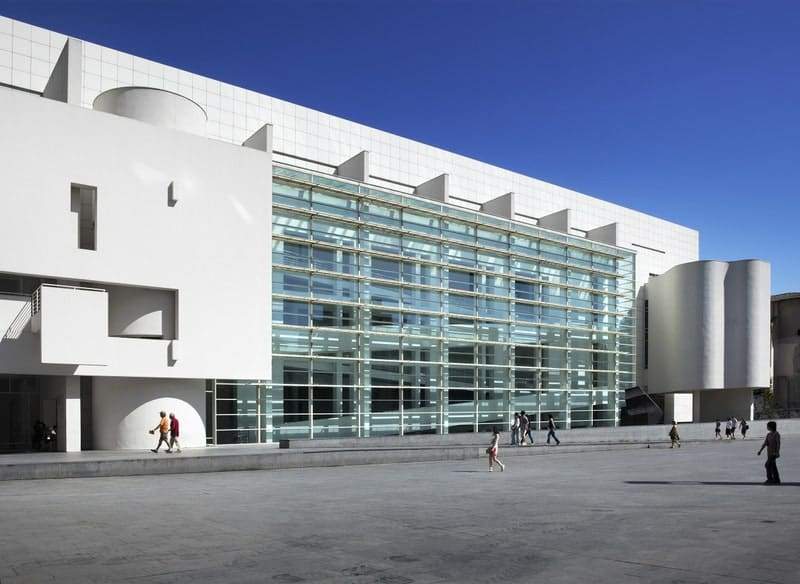
Photos: Architectural Digest
Finally, find out more on ArchUp:


