Sustainable Design in Modern Architecture and Interiors


Sustainability has become a major focus in modern architecture and interior design. As climate change and environmental concerns rise, architects and designers are adopting practices that minimize the environmental footprint of buildings. Sustainable design isn’t just about using eco-friendly materials but also about creating spaces that promote long-term well-being and resource efficiency. Sustainable design in modern architecture and interior design is not just a trend; it’s a necessity.
Eco-Friendly Materials
One of the key components of sustainable design is the use of eco-friendly materials. Natural materials like bamboo, reclaimed wood, and stone are increasingly popular due to their low impact on the environment. Recycled materials, such as repurposed metal or glass, also help reduce waste. These choices not only reduce the carbon footprint of construction but also create a natural, organic aesthetic that complements modern design.
Using locally sourced materials can further reduce transportation emissions and support local economies. This approach ties architecture to the surrounding environment, creating a sense of place that reflects the natural beauty of the area.
Energy Efficiency in Design
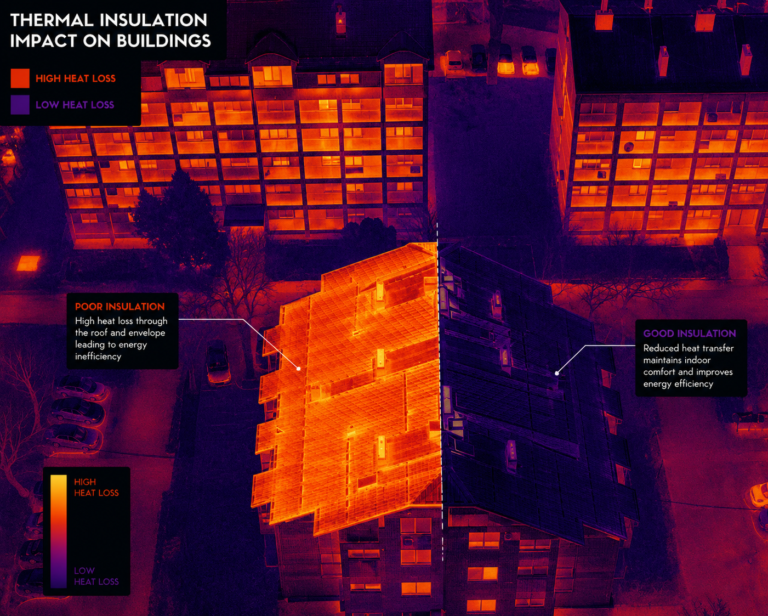
Energy efficiency is a critical element in sustainable architecture. Designers are now focused on incorporating energy-saving systems such as solar panels, wind turbines, and rainwater collection systems. In addition to generating energy, these systems reduce dependence on non-renewable resources.
Passive solar design, which involves positioning buildings to make the best use of natural sunlight, reduces the need for artificial lighting and heating. Smart home technology is also making its way into sustainable design, allowing for the automated control of lighting, heating, and cooling to optimize energy use.
Biophilic Design: Connecting with Nature
Biophilic design is an emerging trend in sustainable architecture that seeks to strengthen the connection between people and nature. This can be achieved through the use of natural light, green walls, and indoor plants that improve air quality and well-being. Large windows, open spaces, and direct access to outdoor areas are features that foster a closer connection with the natural environment.
Biophilic design promotes physical and emotional well-being by reducing stress, improving mood, and enhancing creativity. It creates spaces where people can feel more relaxed and in tune with nature, leading to more sustainable living patterns.
Conclusion
Sustainable design in modern architecture and interior design is not just a trend; it’s a necessity. By using eco-friendly materials, designing for energy efficiency, and incorporating biophilic elements, architects and designers can create spaces that are both environmentally responsible and aesthetically pleasing. These practices reflect a growing awareness of the need to build in harmony with the planet, ensuring that future generations inherit a more sustainable world.
Finally, find out more on ArchUp: