The Disaster in Platten When the Mountains Crumble and Warnings Wake Us Up

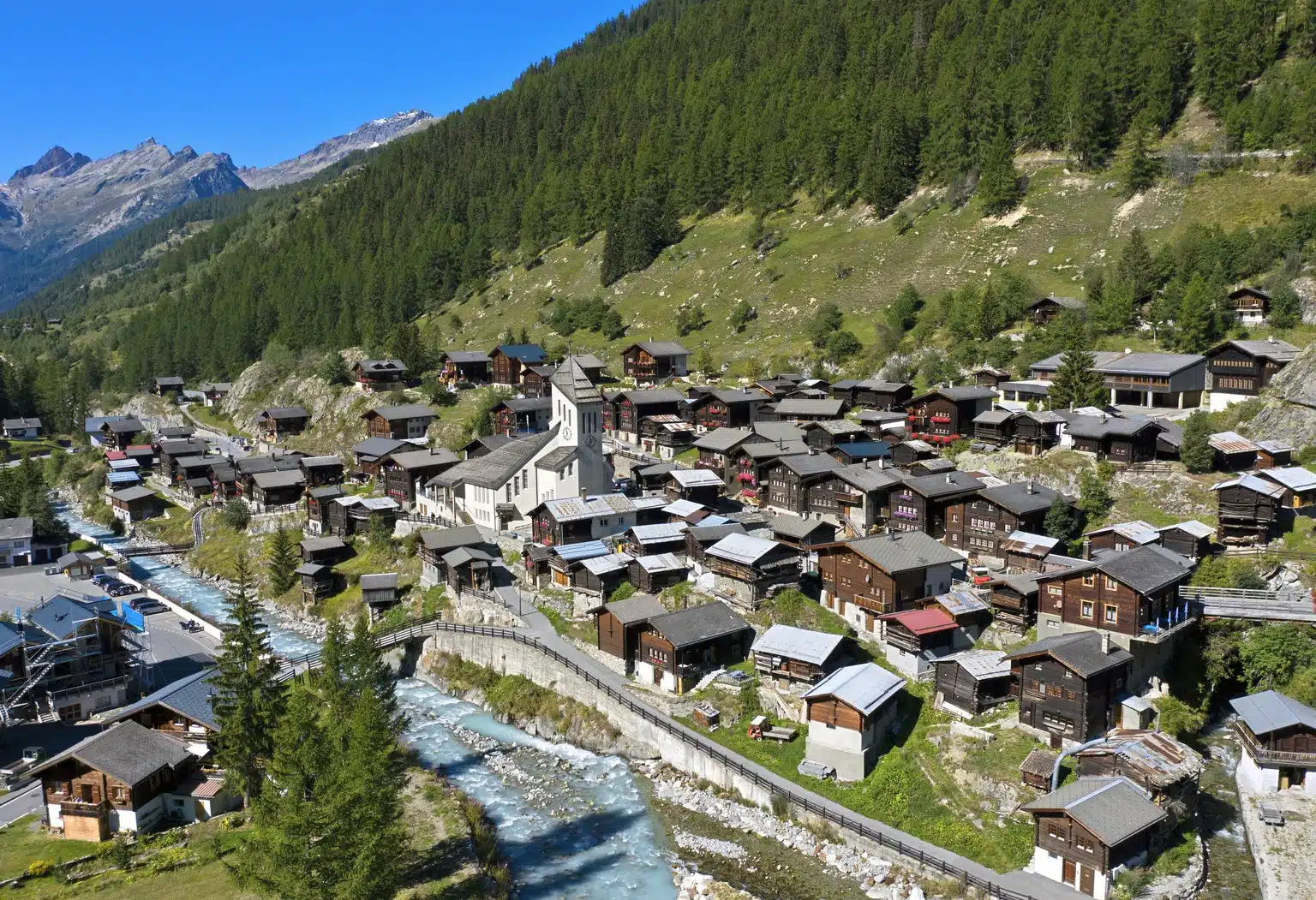
On May 28, 2025, the quiet Swiss village of Platten in the Valais region was shaken by a rare and powerful natural disaster. A partial collapse of the Birch Glacier triggered a massive Swiss landslide that swept through the village with little warning, leaving behind widespread destruction.
Platten, a small mountain community nestled among the Alps, had always been known for its serenity and scenic beauty. But on that day, peace gave way to chaos as tons of ice, rock, and soil came crashing down from above, turning homes, schools, and landmarks into rubble. This powerful landslide in Switzerland transformed the landscape in an instant.

A Village That Woke Up to a Nightmare
No one expected things to escalate so quickly. Scientists had been monitoring the area for weeks due to rising concerns about glacial melting and ground instability. Warnings were issued, and authorities acted swiftly amid fears of another potential Swiss landslide.
But while no lives were lost, the damage left behind was devastating, further exemplifying the power of landslides in Swiss regions.
- 16 homes were completely destroyed.
- The local general store was wiped out.
- Half of the village school collapsed, including the entire eastern wing, impacted by the force of the Swiss landslide.
- And most symbolically, the Conception Catholic Church, a spiritual and historical landmark, suffered deep structural damage with pews buried up to four feet into the ground from the sheer force of the impact.

| Damaged Structure | Extent of Damage |
|---|---|
| Conception Catholic Church | Severe internal damage, pews pushed deep into the ground |
| Homes | 16 completely destroyed |
| School | Partially destroyed (about 50%) |
| General Store | Fully destroyed |
How Did This Happen? Understanding the Geotechnical Collapse
Landslides are not uncommon in mountainous regions, but their intensity and frequency have changed dramatically in recent years due to climate shifts caused in part by events like the Swiss landslide.
In this case, the melting of permafrost the permanently frozen ground beneath the glacier weakened the stability of the rocky layers above. As meltwater seeped into cracks and natural fissures, pressure built up until the entire system simply gave way, culminating in a catastrophic landslide event in Switzerland.
What followed was a catastrophic release of over a million cubic meters of moving debris, rushing down the slope with unstoppable force.
What Does This Mean for Engineers?
This event isn’t just a story about nature’s power it’s a wake-up call for the engineering and construction world. How do we design safer cities and infrastructure in high risk areas? And how can we protect communities without limiting where people live, even after disasters like the Swiss landslide?
Some Practical Lessons Learned:

| Engineering Challenge | Possible Solution |
|---|---|
| Geological instability | Use smart sensors to monitor movement and pressure changes |
| Lack of early warning systems | Integrate local networks with real-time digital alert platforms |
| Unplanned urban expansion | Create accurate risk maps before approving new developments |
| Weak structures against shocks | Build flexible, shock-resistant foundations and materials |

Building for the Future: Are We Ready?
Natural disasters like this one aren’t going away in fact, they’re becoming more frequent and unpredictable. Our challenge now is not just to rebuild, but to anticipate and prevent future damage before it happens.
We need:
- Smart construction systems that use real-time geotechnical data
- Resilient cities capable of adapting to environmental changes
- Advanced building materials that balance strength and flexibility
- Integrated emergency response networks in vulnerable mountain zones

The Platten disaster reminds us that nature doesn’t wait. True engineering safety isn’t just about concrete and steel, but addressing the formidable challenge posed by events like Swiss landslides. It’s about foresight, technology, and designing with wisdom for an uncertain future.
Engineering isn’t just science it’s the art of predicting and shaping what comes next.
So, are we ready to build the world of tomorrow? Or has the time come to redefine what safety really means?
ArchUp continues to track transformations in the construction sector, documenting innovative projects that redefine the way cities are built.