Tadao Ando’s Concrete Gallery Architecture for Antony Gormley at Museum SAN

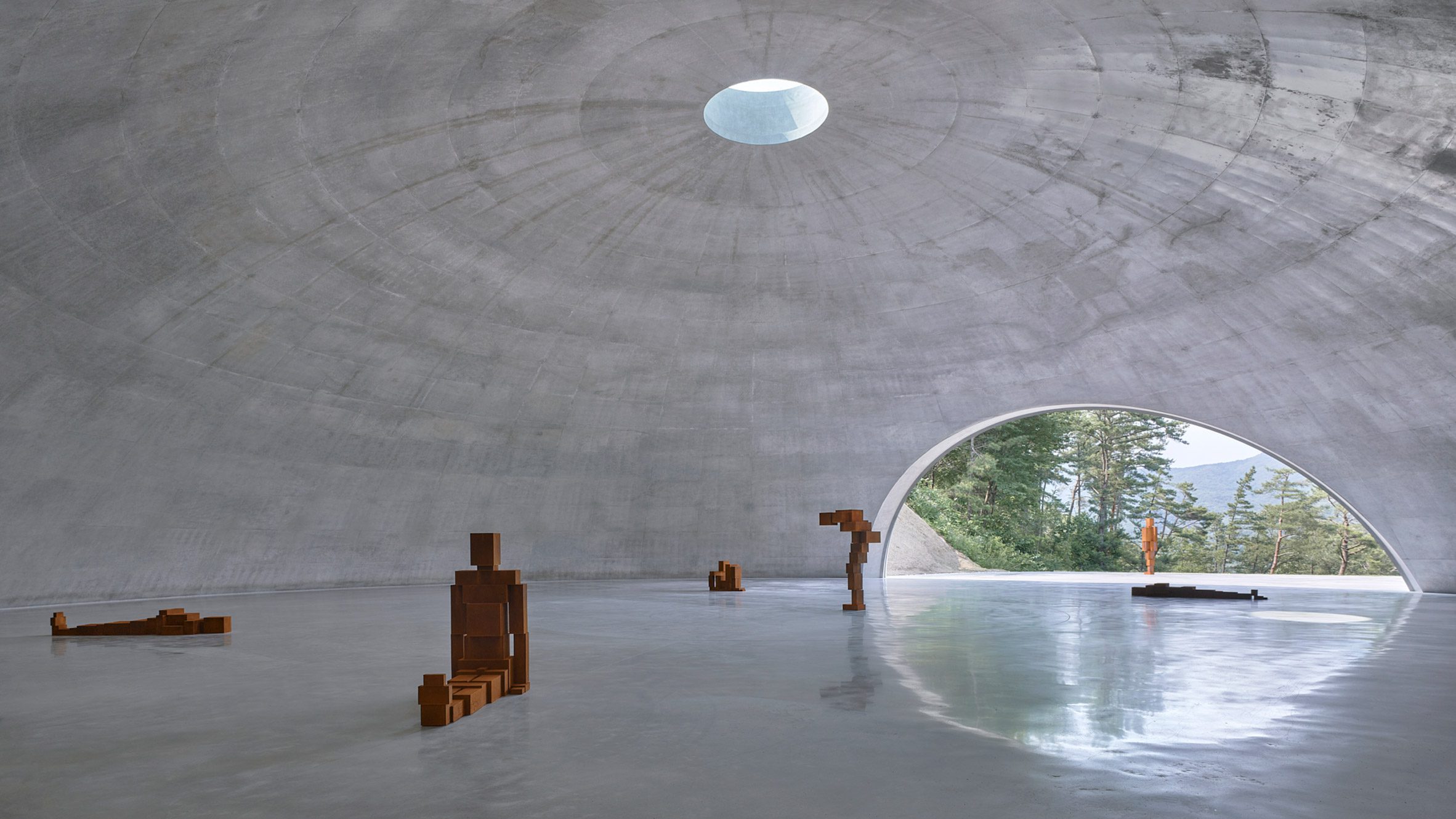
Nestled beneath a tranquil flower garden in the mountainous landscapes of Wonju, South Korea, a striking new subterranean structure has emerged at Museum SAN. This latest architectural intervention comes from Japanese architect Tadao Ando, who collaborated with British sculptor Antony Gormley to design a monumental, cave-like concrete gallery that merges sculpture, architecture, and nature. The gallery, called Ground, is not merely a space to view art—it is an immersive installation and spatial experience in itself.
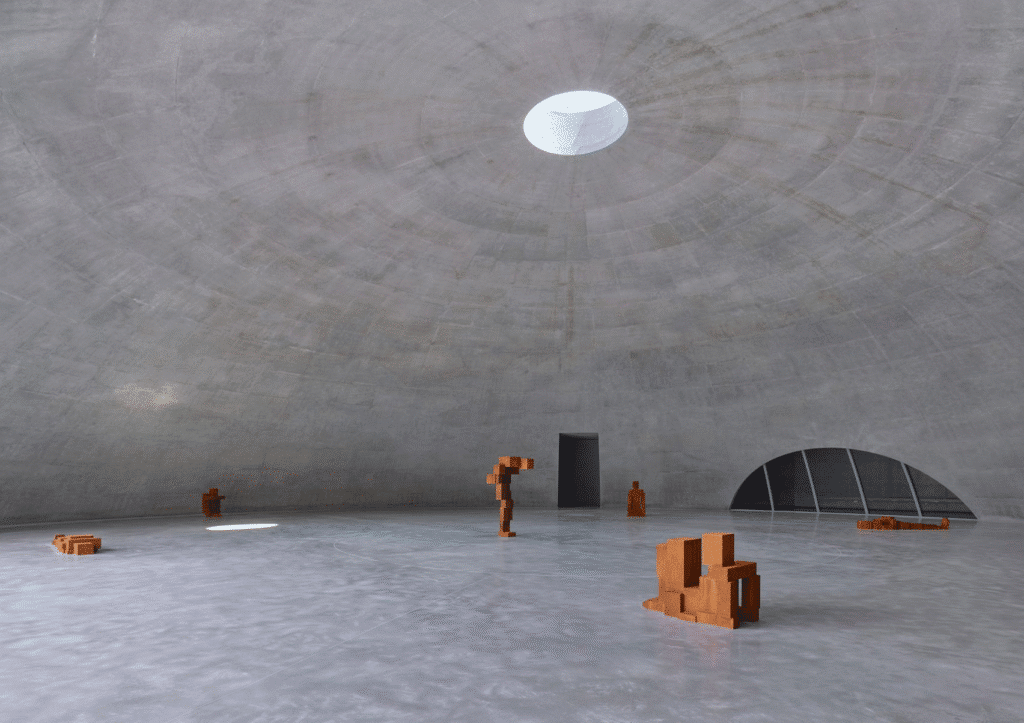
This dome-shaped structure with a central oculus, cast in rough concrete and populated by Gormley’s iconic cast-iron human figures, offers an introspective journey beneath the surface of the earth. Commissioned as a permanent addition to the museum, the gallery reflects Ando’s continuous experimentation with light, void, and silence. The collaboration challenges the traditional white-cube exhibition typology and invites visitors into a realm where materiality, geometry, and stillness become central elements of perception.
The installation forms the heart of Gormley’s largest solo show in Korea, Drawing on Space, which presents 48 works. Together, the gallery and the exhibition redefine how we relate to space—not only as spectators but as embodied beings in dialogue with architecture and mass.
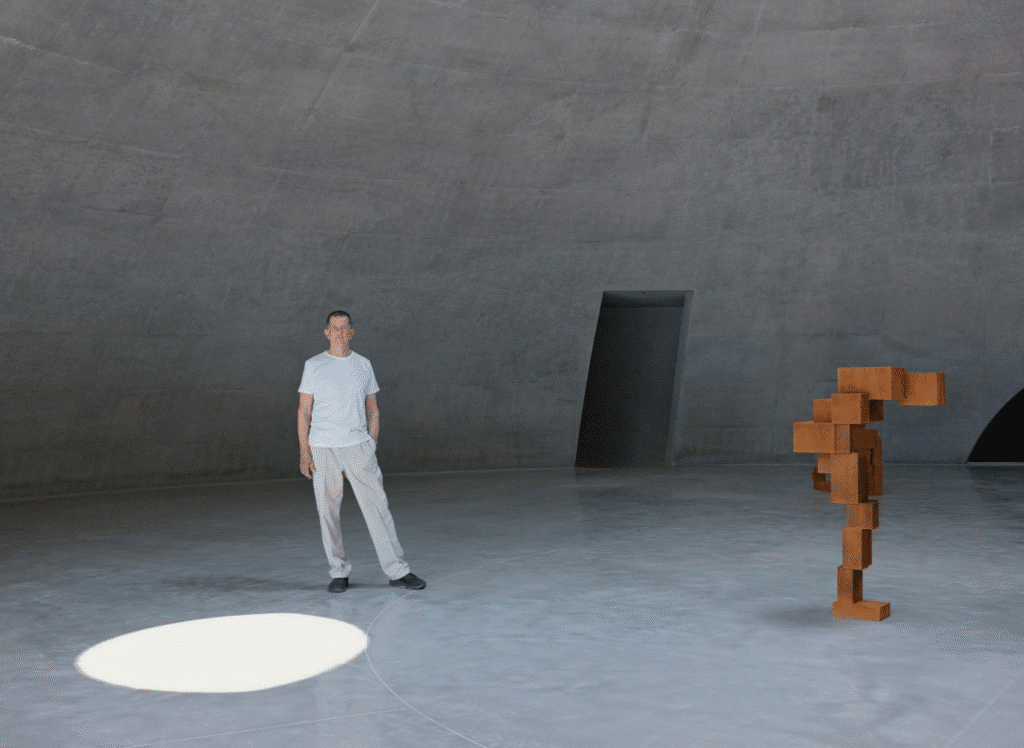
Designing an Experience: Concrete, Light, and Form
A Subterranean Encounter with Sculpture
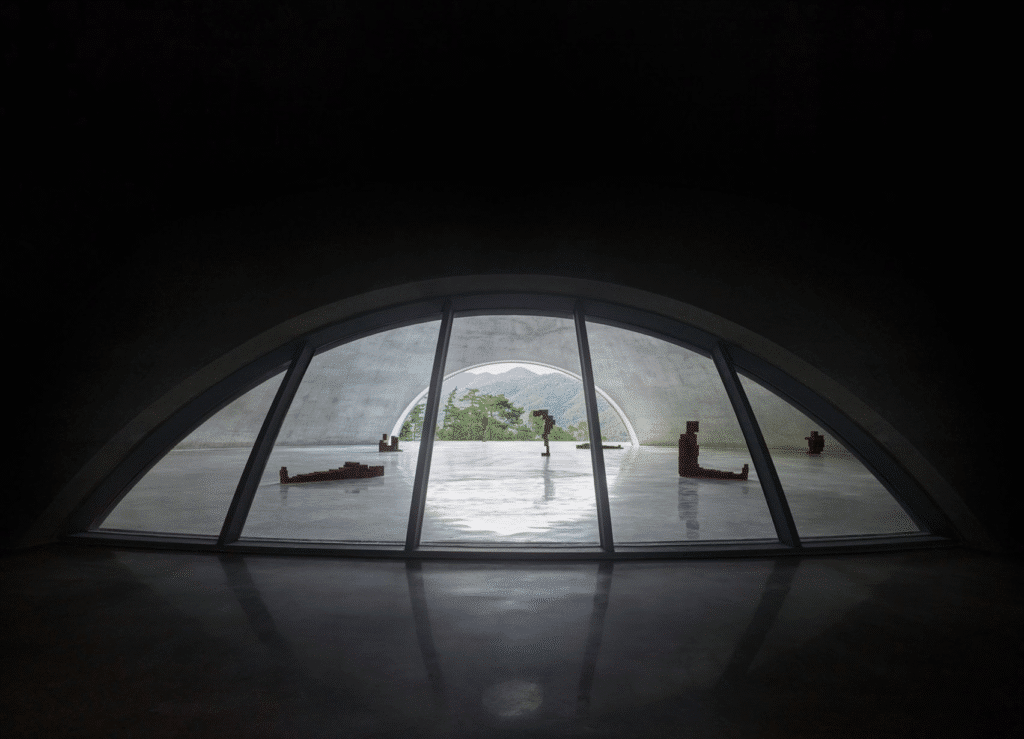
The gallery Ground is accessed via a discreet underground observation corridor, which provides a panoramic view into the dome-like volume before leading visitors into the cavernous space. Inside, Ando’s architectural language of silence and restraint is evident in every surface and proportion.
Material Composition and Spatial Dialogue
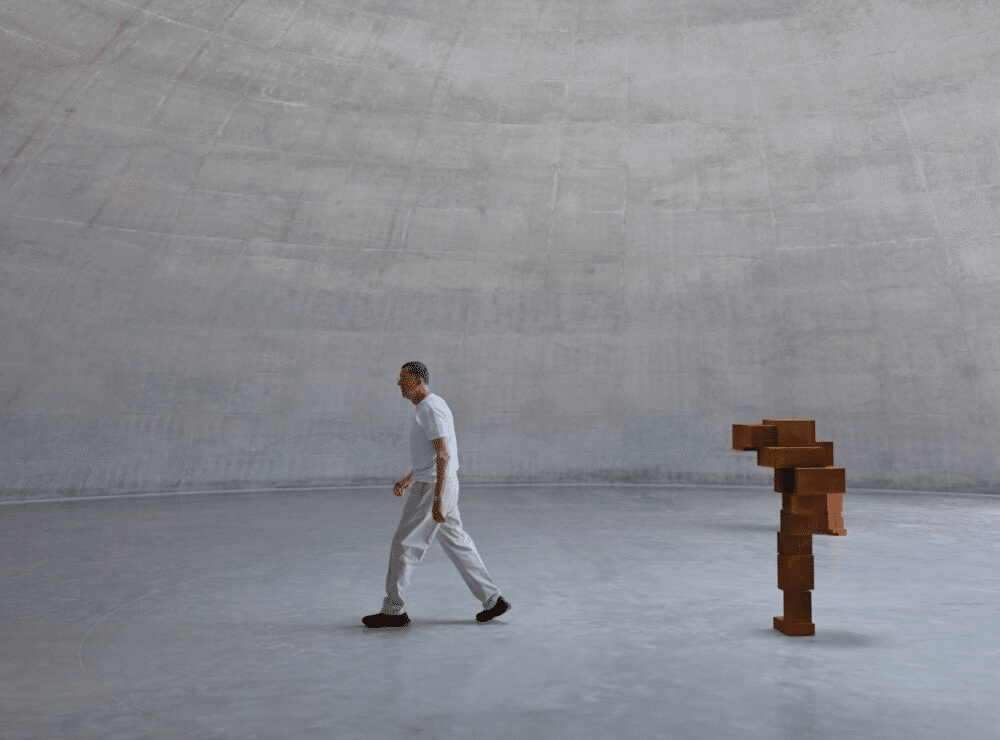
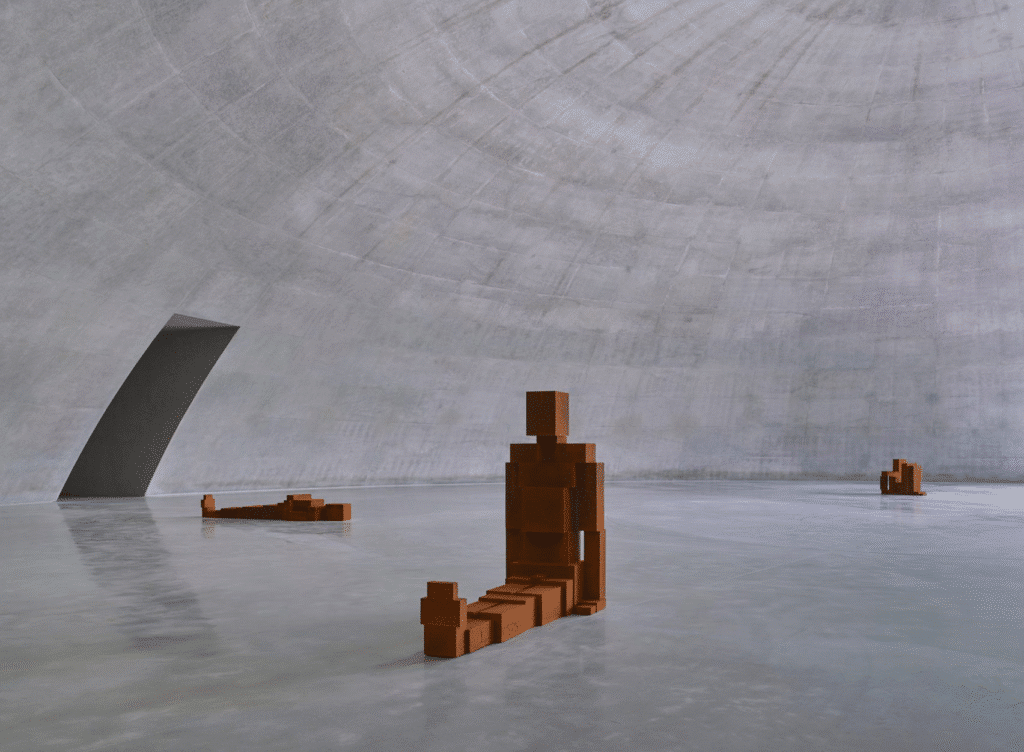
The interior is composed entirely of exposed rough concrete and polished flooring, designed to absorb and reflect light from both the oculus above and the sculptural voids carved into the walls. The interaction of light and mass produces a rhythm that enhances the existential stillness of Gormley’s cast-iron figures, which are positioned across the circular floor like silent sentinels.
Breaking the White Cube
This structure moves away from the sterile neutrality of typical exhibition spaces. Instead, it engages directly with the human body’s relationship to scale, gravity, and material. Visitors become part of the installation—coexisting with the artwork, architecture, and subterranean world.
Key Details of the Project
| Element | Description |
|---|---|
| Project Name | Ground Gallery at Museum SAN |
| Architects | Tadao Ando |
| Artist | Antony Gormley |
| Location | Museum SAN, Wonju, South Korea |
| Completion Year | 2024 |
| Primary Materials | Exposed cast-in-place concrete, cast-iron sculptures |
| Key Architectural Feature | 25-metre-wide concrete dome with central oculus and arched exterior view |
| Purpose | Permanent installation for sculpture and spatial exploration |
Architectural Analysis
At its core, the Ground gallery is a spatial and philosophical meditation on human presence, earth, and enclosure. Ando’s use of the dome—an ancient form tied to sacred architecture—evokes a primordial sense of shelter. The decision to bury the structure creates a deliberate disconnection from the visual noise of the external world.
Materially, Ando’s reliance on concrete allows for sculptural form, acoustic dampening, and a spiritual gravity. Light enters through the oculus and arched opening, forming a kinetic visual narrative that changes with the sun’s position. Gormley’s human forms echo this meditation, embodying mass, presence, and orientation in space. These cast-iron figures are not placed on pedestals—they emerge from the concrete like anchors in time.
In essence, the project explores architecture as environment rather than container, where the void becomes the most powerful design element.
Project Importance
This installation extends the conversation about what exhibition spaces can be. Rather than functioning solely as containers for art, galleries like Ground become sensory instruments—shaping how we see, move, and reflect. For architects, the project highlights the power of material-led design and minimalist tectonics to evoke deep emotion.
By designing a space that must be experienced physically—descending, entering, witnessing—the structure foregrounds the experiential nature of architecture. This approach holds particular significance in an age dominated by digital experiences. It reasserts the value of architecture as a space of stillness and ritual.
Moreover, the project teaches young designers the importance of restraint: instead of overwhelming detail, Ando uses geometry, gravity, and light to speak volumes. Ground reminds us that architecture is not just about building, but about designing space for reflection, silence, and presence.
✦ ArchUp Editorial Insight
Tadao Ando’s Ground Gallery redefines the relationship between architecture, art, and viewer by creating a monumental space that is simultaneously meditative and monumental. The central dome’s interplay of shadow and light, combined with the raw tactility of concrete, immerses visitors in a sculptural void that feels timeless.
Yet, one might ask: does the monolithic use of concrete risk overshadowing the subtlety of Gormley’s figures? Could more material contrast have allowed the artwork to breathe further? Still, this decision also reinforces the idea that space and art are not separate but integrated presences.
Ultimately, Ground stands as a model of how spatial experience, material honesty, and minimalist expression can converge to create environments that invite contemplation and embodied perception.
Conclusion
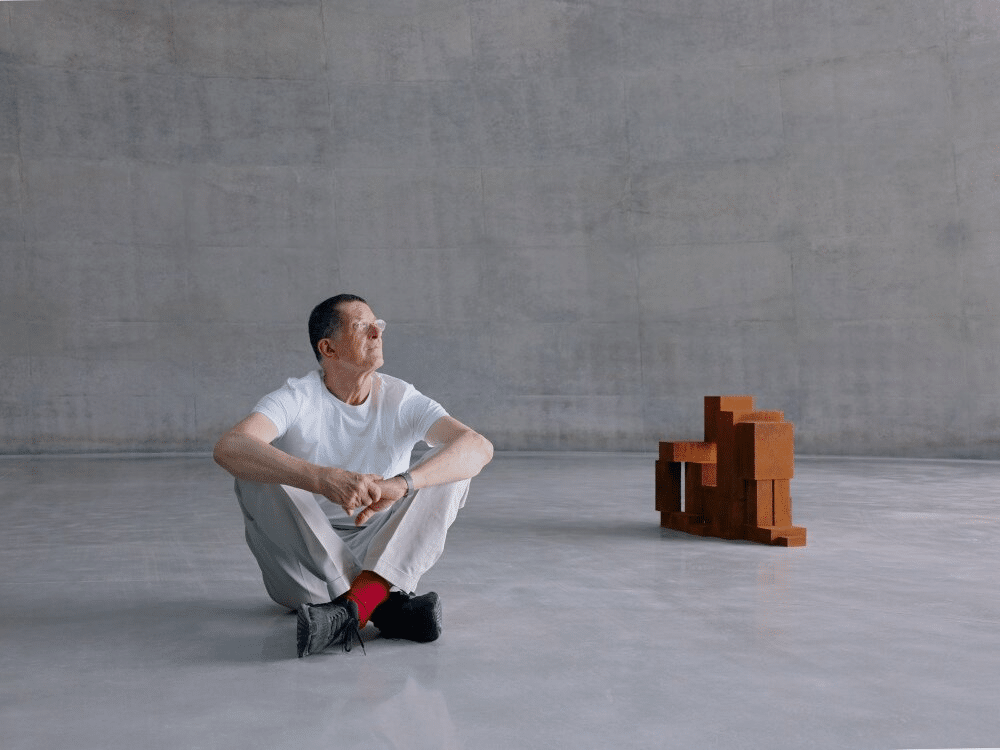
Ground is not just a gallery; it is a space for introspection, sensation, and quiet discovery. Tadao Ando and Antony Gormley have succeeded in crafting a dialogue between form and void, presence and absence, light and mass. The project exemplifies how architecture can transcend its physical boundaries and become a philosophical inquiry into existence and perception.
At a time when architecture often leans towards the hyper-digital or overly symbolic, this concrete structure grounded in simplicity and raw expression reminds us of architecture’s most profound potential—to hold silence, invite stillness, and center the human experience. For both professionals and visitors, Ground becomes a timeless classroom of material, geometry, and soul.
Explore the Latest Architecture Exhibitions & Conferences
ArchUp offers daily updates on top global architectural exhibitions, design conferences, and professional art and design forums.
Follow key architecture competitions, check official results, and stay informed through the latest architectural news worldwide.
ArchUp is your encyclopedic hub for discovering events and design-driven opportunities across the globe.