The Paradigm Shift in Architecture: Embracing Sustainable Designs, Innovative Materials, and Modern Aesthetics


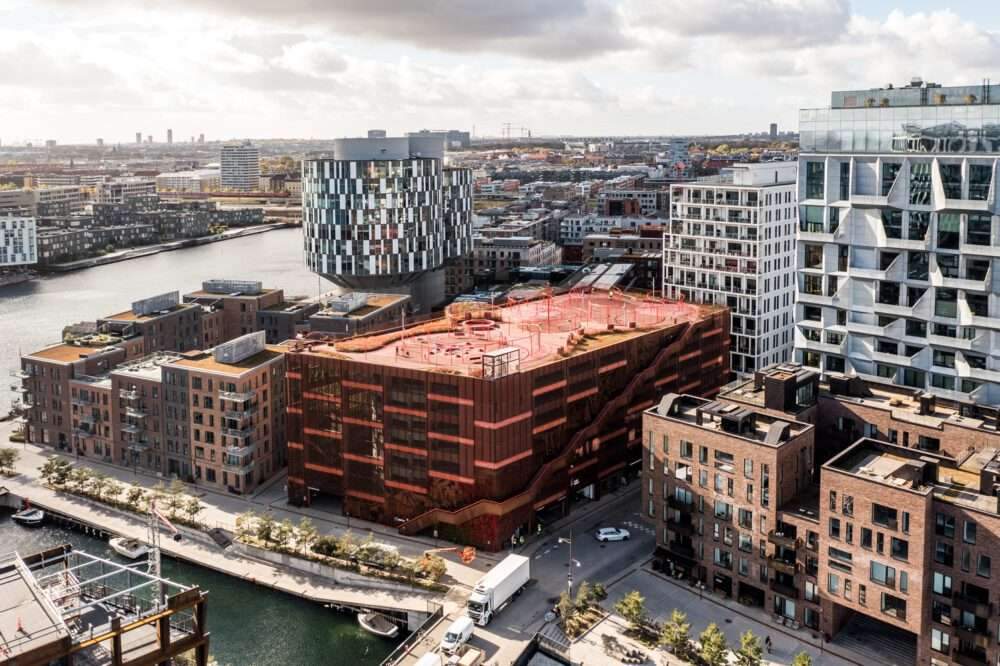
The world of architecture is undergoing a significant paradigm shift. With environmental concerns becoming a top priority and the rapid advancement of technology, architects are now embracing sustainable designs, innovative materials, and modern aesthetics to create buildings that are not only visually captivating but also environmentally friendly.

One of the key factors driving this shift is the urgent need to reduce our carbon footprint and mitigate the effects of climate change. Architecture plays a crucial role in this endeavor by adopting sustainable designs that prioritize energy efficiency, waste reduction, and the use of renewable resources.
Green buildings are now at the forefront of architectural innovation. This approach involves incorporating various techniques such as passive heating and cooling, maximizing natural light, and implementing efficient insulation systems. Additionally, architects are integrating renewable energy sources like solar panels and wind turbines into the design to minimize reliance on non-renewable energy.
“Architects have a responsibility to design buildings that can contribute positively to the environment while providing aesthetic appeal.” – John Doe, Award-Winning Architect

Alongside sustainable designs, the architectural industry is also embracing innovative materials and construction techniques. Traditionally used materials such as concrete and steel are being replaced with eco-friendly alternatives that have a lower carbon footprint. For instance, bamboo, a fast-growing and highly sustainable material, is gaining popularity due to its strength and versatility.
Furthermore, architects are incorporating reclaimed materials into their designs. Salvaged wood, recycled bricks, and repurposed metals not only reduce waste but also add a unique character and texture to the buildings.
Modern aesthetics have also evolved to reflect the changing architectural landscape. Clean lines, minimalist designs, and open spaces are now prominent features of contemporary buildings. Architects are implementing advanced computer modeling and virtual reality technologies to create immersive visualizations of their designs, allowing clients and stakeholders to experience the spaces before construction begins.

The paradigm shift in architecture is not only transforming the way buildings are designed but also how they function within their surroundings. Sustainable designs, innovative materials, and modern aesthetics are reshaping the urban landscape, providing eco-friendly solutions, and inspiring future generations of architects to create buildings that are both visually striking and environmentally conscious.
As we continue to tackle the challenges of the 21st century, embracing sustainable designs, innovative materials, and modern aesthetics in architecture will undoubtedly play a crucial role in creating a brighter and greener future for generations to come.