The Role of Color Psychology in Interior Design

Color is an essential element in interior design that significantly influences mood, perception, and overall experience within a space. Understanding the psychological effects of colors can help designers create environments that enhance well-being, productivity, and emotional comfort. This article explores the principles of color psychology, its application in interior design, and how different hues can transform spaces.
Understanding Color Psychology
Color psychology studies how colors affect human behavior and emotions. Various colors evoke specific feelings and reactions, influencing how individuals experience their surroundings. For instance, warm colors like red and yellow can stimulate energy and excitement, while cool colors like blue and green promote calmness and relaxation. By applying color psychology principles, interior designers can create spaces that resonate with the intended mood and purpose.
Applications of Color Psychology in Interior Design
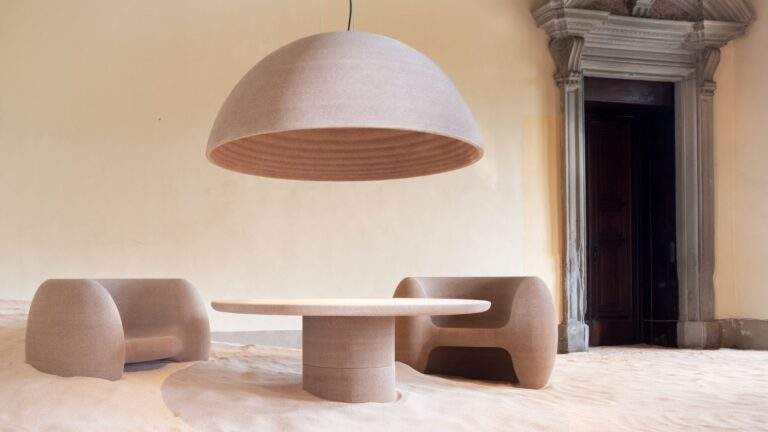
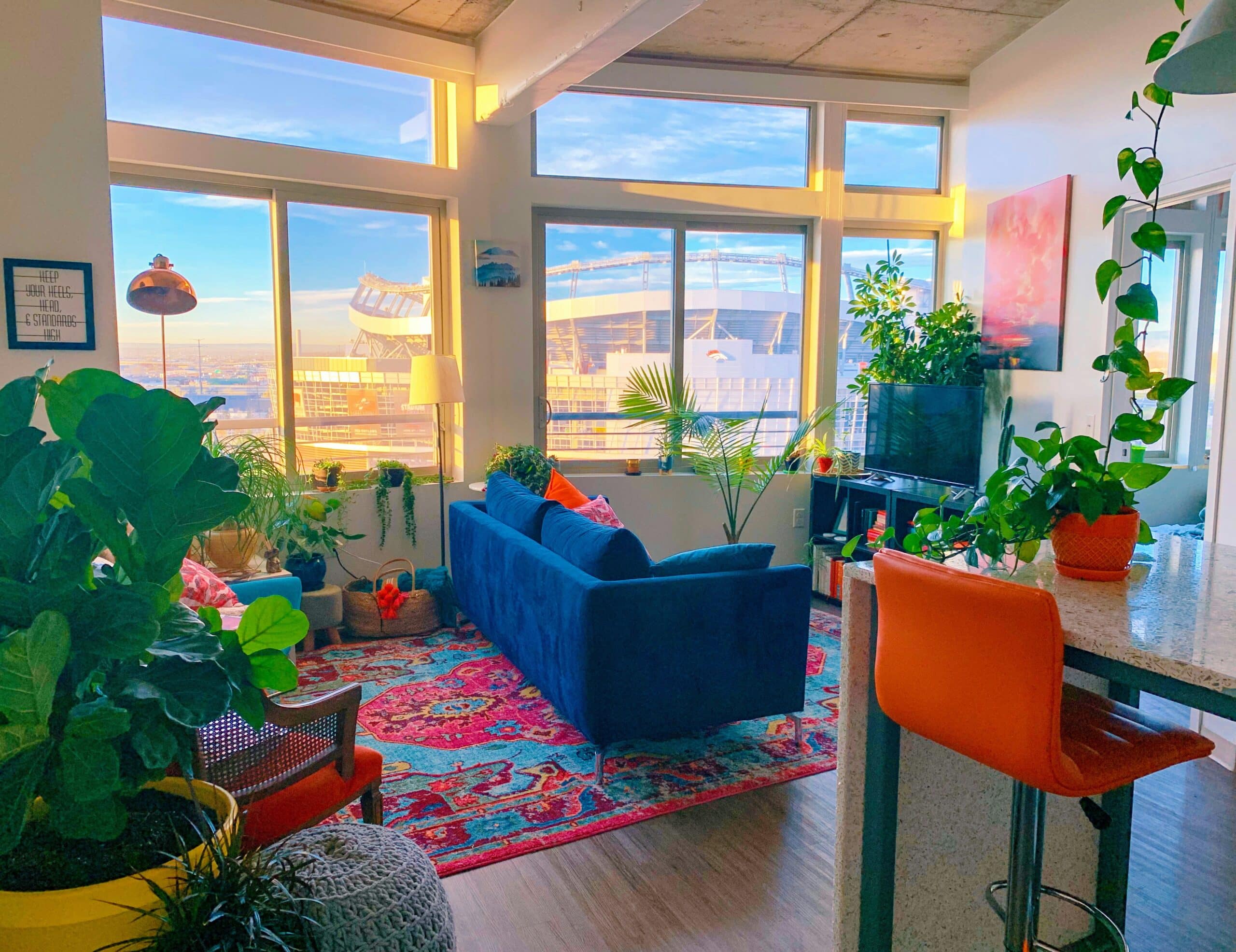
- Creating Ambiance: The selection of colors can set the tone for any room. In living spaces, warm hues such as terracotta or soft yellows can foster a welcoming and cozy atmosphere, making it perfect for gatherings. Conversely, using shades of blue or green in a bedroom can promote tranquility and restful sleep.
- Enhancing Productivity: In workspaces, color can significantly impact productivity and focus. Research suggests that colors like blue and green can enhance concentration and creativity. Incorporating these colors into office designs, such as accent walls or office furniture, can create an environment conducive to productivity.
- Emotional Response: Colors can also influence emotional responses. For example, using red in a dining area can stimulate appetite and conversation, while pastel colors in a child’s room can create a sense of comfort and playfulness. Designers should consider the intended emotional response when selecting colors for specific spaces.
Cultural Considerations in Color Use
It is essential to consider cultural perceptions of color when designing interiors. Different cultures associate colors with various meanings and emotions. For instance, while white symbolizes purity and peace in Western cultures, it may represent mourning in some Eastern cultures. Therefore, understanding the cultural context can help designers create inclusive and respectful environments.
Conclusion
Incorporating color psychology into interior design allows designers to create spaces that enhance the well-being and experiences of their occupants. By understanding the emotional and psychological effects of colors, designers can strategically choose hues that align with the intended purpose of each space, ultimately transforming environments into more inviting, productive, and harmonious places.
Finally, find out more on ArchUp: